ENG
ENG

 Mandy
Mandy How a World War III Involving Iran Could Impact Tourism
Tourism is one of the world’s most sensitive economic sectors. It thrives on perceptions of safety, stable travel conditions, open skies and predictable policies. When war breaks out especially a large-scale conflict like a hypothetical World War III involving Iran, its effects on tourism are dramatic and far-reaching.
Immediate Collapse of Inbound Tourism
In a major war scenario:
- Most foreign countries would issue official travel warnings against visiting Iran and nearby countries, leading to near-zero inbound tourism. Travelers avoid destinations perceived as unsafe.
- Current conflict flare-ups already show how quickly tourist numbers can plunge; for example, after a recent 12-day war in the Middle East, foreign tourist arrivals in Iran reportedly dropped about 75%.
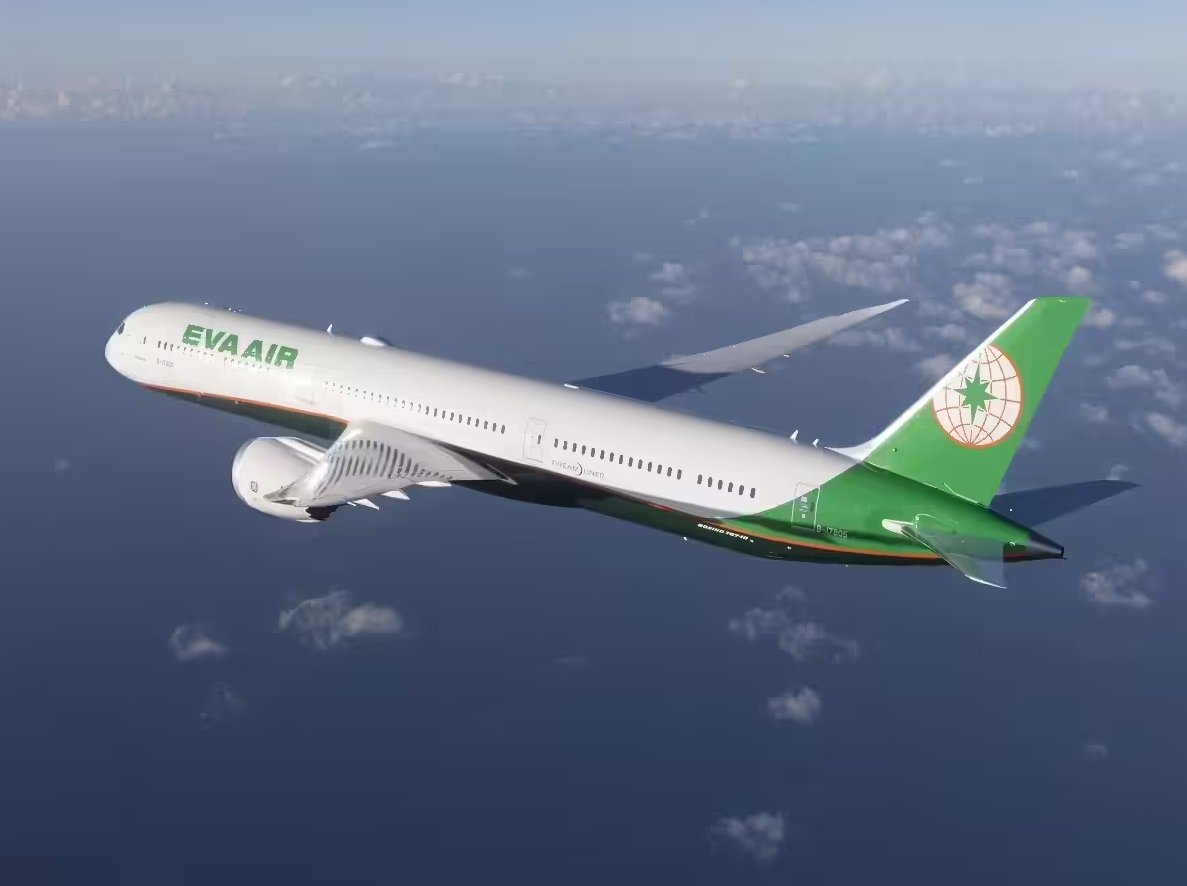
- Airlines would likely suspend flights into Iranian airports, airspace closures would expand, and tourism infrastructure (airports, hotels, attractions) would suffer from logistical paralysis.
Even if only parts of Iran were directly affected:
- Neighboring countries (Turkey, Jordan, UAE, Egypt) would see bookings fall sharply due to regional safety fears.
- Travel companies and hotels across the Middle East could face reduced demand, cancellations, and financial losses.
- Close-in conflict tends to spill perception into neighboring areas, meaning even relatively safe tourist hubs could be avoided by hesitant travelers.
Global Tourism Disruption
A World War III scenario would not only affect the Middle East:
- Flight routes could be rerouted or shut down due to military activity, making international travel more complicated and expensive.
- Many countries might place broad travel advisories or evacuation orders for civilians in affected or nearby nations. Historical crises have seen large-scale citizen evacuations and widespread airline disruption.
- Long-haul travel demand from Europe, North America and Asia could slump as travelers prioritize safer destinations, shifting flows to far-flung regions.
Tourism downturns have severe economic consequences:
- Past research shows in conflict-affected countries, tourism can decline by roughly 45-57% in arrivals and receipts, with effects lingering for years.
- Local tourism jobs from guides to hospitality staff face layoffs as visitor spending dries up.
- Infrastructure maintenance and marketing budgets shrink, which can harm heritage site preservation and long-term destination appeal.
War alters a destination’s global image:
- Tourists may associate conflict-zone countries with danger, reducing willingness to visit even decades after peace returns.
- Rebuilding tourism markets typically requires coordinated image rehabilitation, government support and international marketing campaigns as Iran itself has emphasized after recent regional tensions.
So What Would Change After Peace?
If a war ended and stability returned:
- Tourism recovery is possible, but it can take years, not months. Destinations must work to counter negative perceptions and rebuild trust.
- Some travel funnels (like historical tourism or cultural heritage) might slowly rebound, but security concerns linger in traveler decision-making.
In short, war is one of the most powerful disruptors of modern tourism harming economies, communities, and cultural exchange, and leaving long-lasting impacts that extend far beyond the battlefield.
Comments
Comments are closed.


.jpg)