ENG
ENG

 David
David Mount Anak Krakatau Eruption Strands 170,000 Travelers and Disrupts Life Across Indonesia
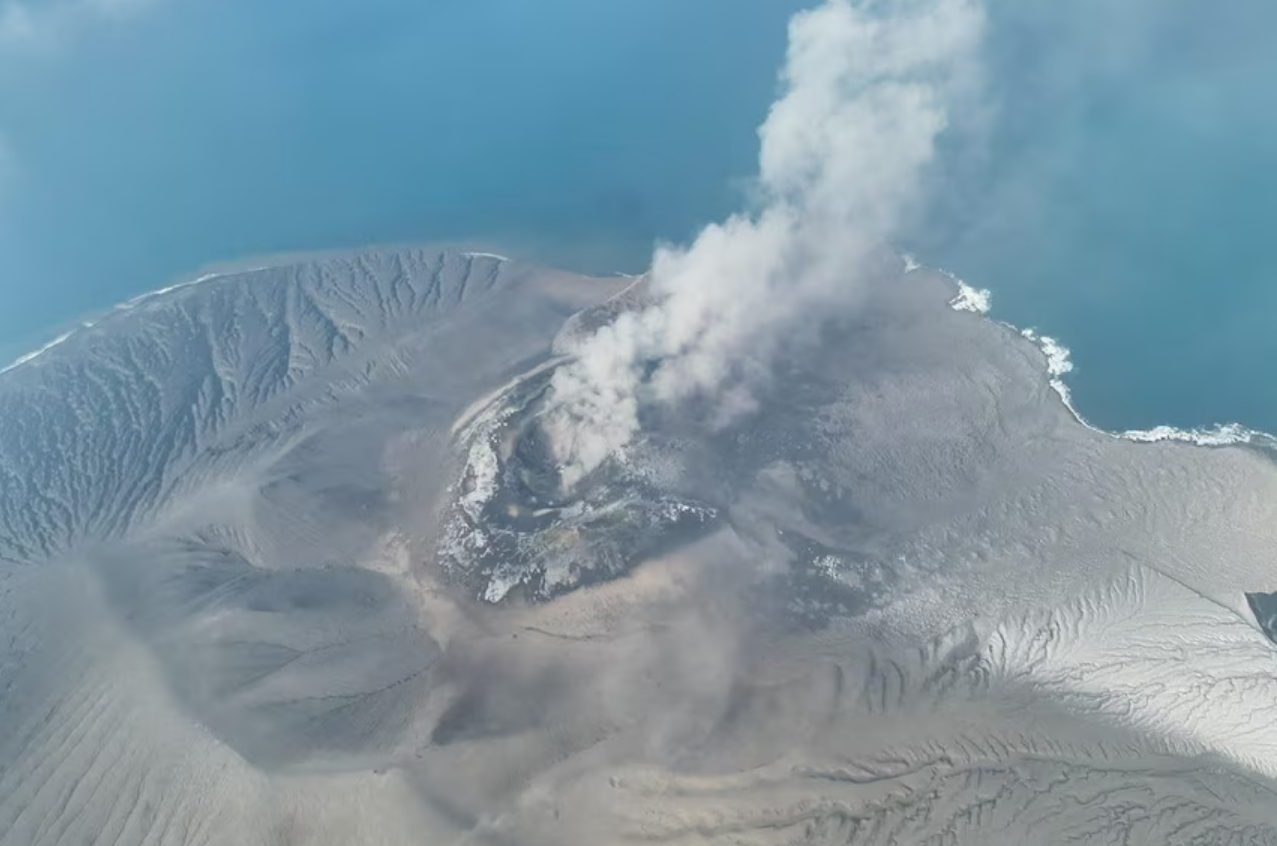
Indonesia is once again grappling with the power of nature after Mount Anak Krakatau erupted over the weekend, sending massive ash clouds into the atmosphere, grounding flights, and affecting daily life for hundreds of thousands of people.
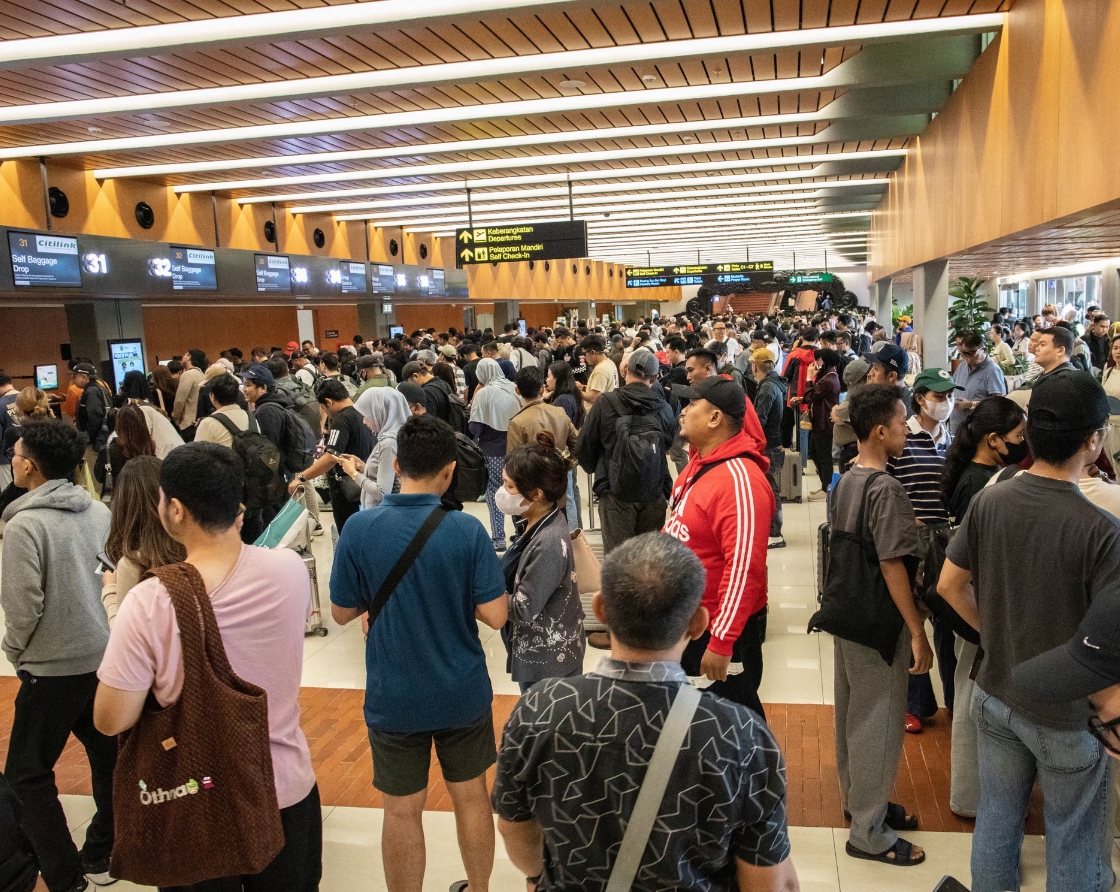
A renewed eruption of Mount Anak Krakatau, one of Indonesia's most active volcanoes, has caused widespread disruption across the country, leaving approximately 170,000 passengers stranded and forcing the suspension of more than 1,500 flights. The eruption generated enormous volcanic ash plumes that drifted across key aviation corridors, prompting authorities to temporarily shut down multiple airports, including Jakarta's Soekarno-Hatta International Airport, the busiest airport in the nation.
According to Indonesian authorities, eight airports were affected by the volcanic activity, with more than 1,558 flights canceled or delayed as officials prioritized passenger safety amid hazardous flying conditions.
The eruption occurred in the Sunda Strait between the islands of Java and Sumatra. Reports indicate that Anak Krakatau erupted multiple times over the weekend, producing ash columns reaching as high as 15,000 meters (50,000 feet) in some areas. Such conditions pose a significant threat to aircraft engines and visibility, making flight operations extremely risky.
Jakarta's main airport alone saw more than 900 flights affected. Major airlines, including Singapore Airlines, Malaysia Airlines, AirAsia, and Lion Air Group, canceled services to and from the Indonesian capital as the ash cloud spread across the region.
Passengers were seen lining up at airport counters seeking refunds and alternative travel arrangements, as uncertainty surrounding flight schedules continued throughout the day.
The impact of the eruption extended far beyond the aviation sector. Volcanic ash drifted toward the greater Jakarta area, prompting local authorities to shift school activities to online learning. The move was implemented to reduce public exposure to airborne ash particles and protect students and staff from potential respiratory issues.
Officials also advised residents in affected areas to stay indoors where possible and wear protective masks when venturing outside. Ashfall was reported in several locations, including parts of Lampung Province on the southern tip of Sumatra.
Authorities introduced additional safety measures around the volcano, including restrictions on maritime activity near the eruption zone. Ships were instructed to avoid a designated exclusion area around Anak Krakatau, while fishermen were warned to exercise extreme caution in surrounding waters. Some local fishing activities were temporarily halted due to safety concerns.
Despite the disruption, officials reported no immediate fatalities or large-scale evacuations. However, residents and visitors have been urged to stay away from the volcanic crater and comply with all safety advisories issued by Indonesia's geological and disaster management agencies.
Anak Krakatau, which translates to "Child of Krakatoa," emerged from the caldera created by the catastrophic 1883 eruption of Krakatoa, one of the most powerful volcanic events in recorded history. The volcano remains highly active and is closely monitored by Indonesian authorities due to its history of eruptions and potential impact on nearby communities and transportation networks.
The latest eruption serves as a reminder of Indonesia's position along the Pacific "Ring of Fire," a region known for intense seismic and volcanic activity. While no major casualties have been reported, the event has significantly disrupted travel plans, education, and local business activities, highlighting the far-reaching effects that volcanic eruptions can have on modern infrastructure.
Looking Ahead
With volcanic activity still being closely monitored, airport operations and public services may continue to experience disruptions until authorities determine that ash levels no longer pose a threat. Travelers planning to visit Indonesia are advised to check flight updates with airlines and monitor official government advisories before departure.
For now, Indonesia remains on alert as the nation navigates the aftermath of one of its largest recent aviation disruptions caused by volcanic activity.
Comments
Comments are closed.