ENG
ENG

 Danny
Danny The 12 Largest African Countries by Area
Africa is the second-largest continent on Earth, covering more than 30 million square kilometers. It is home to vast deserts, tropical rainforests, mountains, coastlines, and some of the most geographically diverse nations in the world. In fact, several African countries are so massive that they are larger than many European nations combined.
Here is the official ranking of the 12 largest African countries by area, along with fascinating facts about each nation.
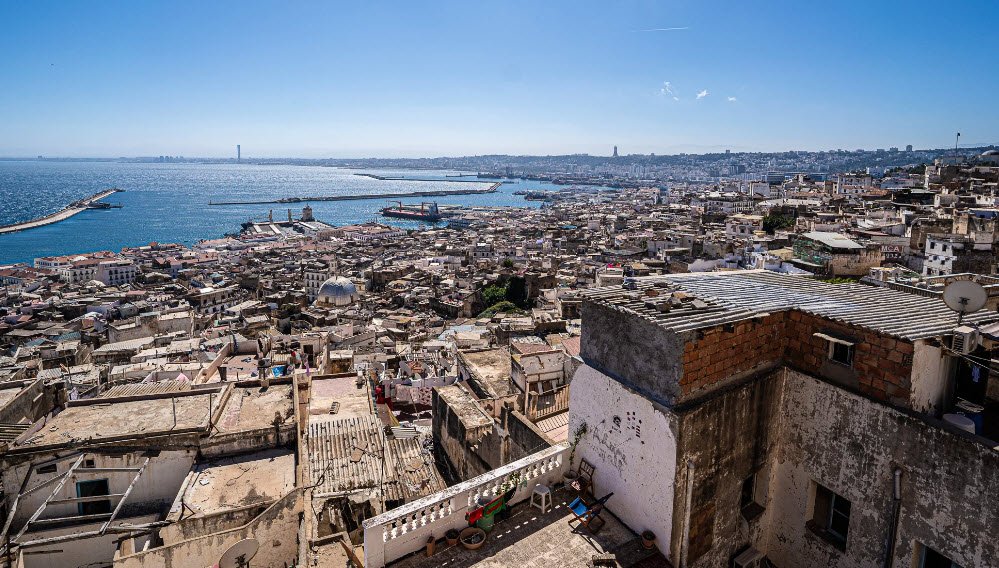
1. Algeria
Area: 2,381,741 km²
Capital: Algiers
Algeria is the largest country in Africa as well as the largest in the Arab world. Nearly 80% of its land is covered by the vast Sahara Desert, giving the country dramatic desert landscapes and unique cultural heritage. The Sahara Desert dominates Algeria’s geography, making it one of the driest yet most visually stunning countries on the continent.
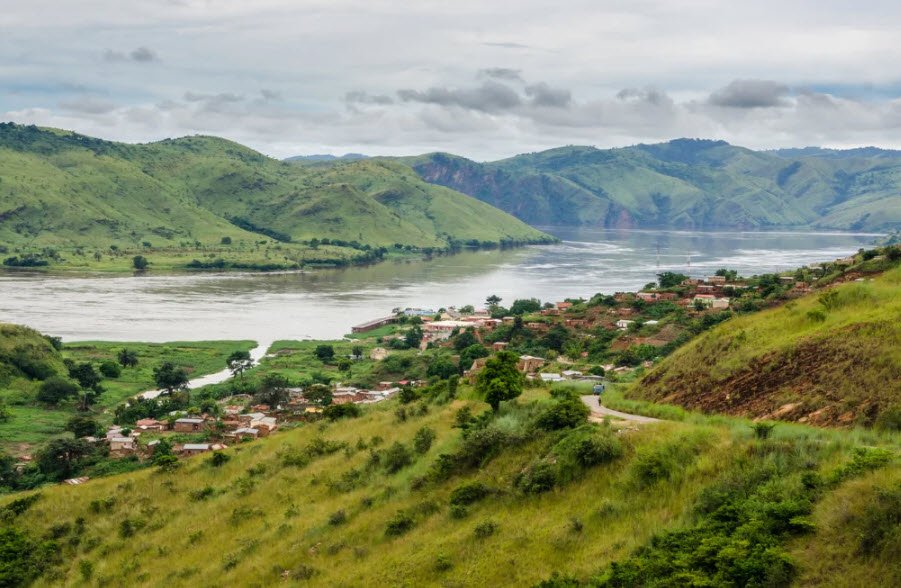
2. Democratic Republic of the Congo
Area: 2,344,858 km²
Capital: Kinshasa
Often referred to as the DRC, this country is the second-largest in Africa. It is famous for its immense natural resources and dense tropical forests. The DRC is home to the Congo Rainforest, the second-largest rainforest on Earth after the Amazon Rainforest.
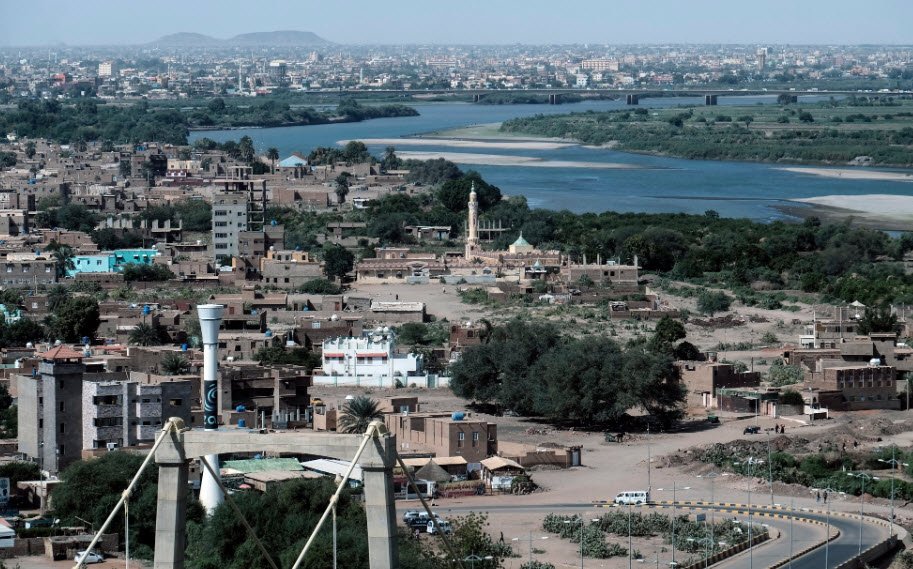
3. Sudan
Area: 1,861,484 km²
Capital: Khartoum
Sudan once held the title of Africa’s largest country before the creation of South Sudan in 2011. The country has a long history tied to ancient civilizations and trade routes along the Nile River.
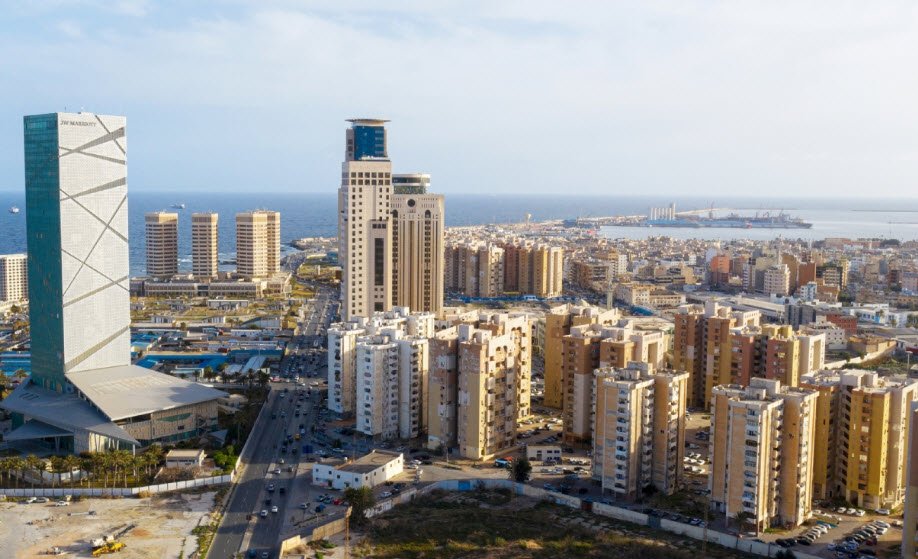
4. Libya
Area: 1,759,540 km²
Capital: Tripoli
Libya is located in North Africa and features vast desert terrain alongside Mediterranean coastal cities. Libya has one of the longest Mediterranean coastlines in Africa, stretching thousands of kilometers.
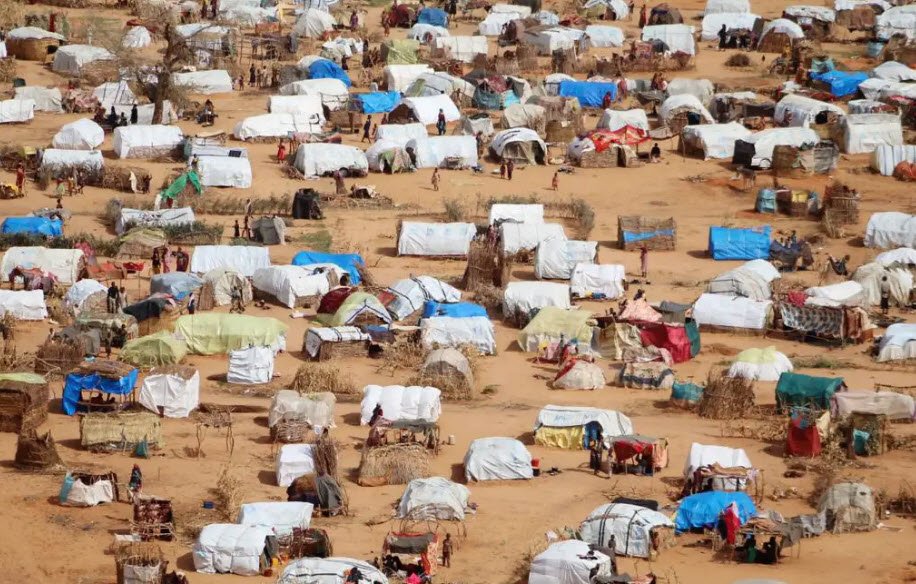
5. Chad
Area: 1,284,000 km²
Capital: N'Djamena
Chad lies in north-central Africa and is known for its diverse geography, ranging from deserts to savannas. It is the largest landlocked country in Central Africa.
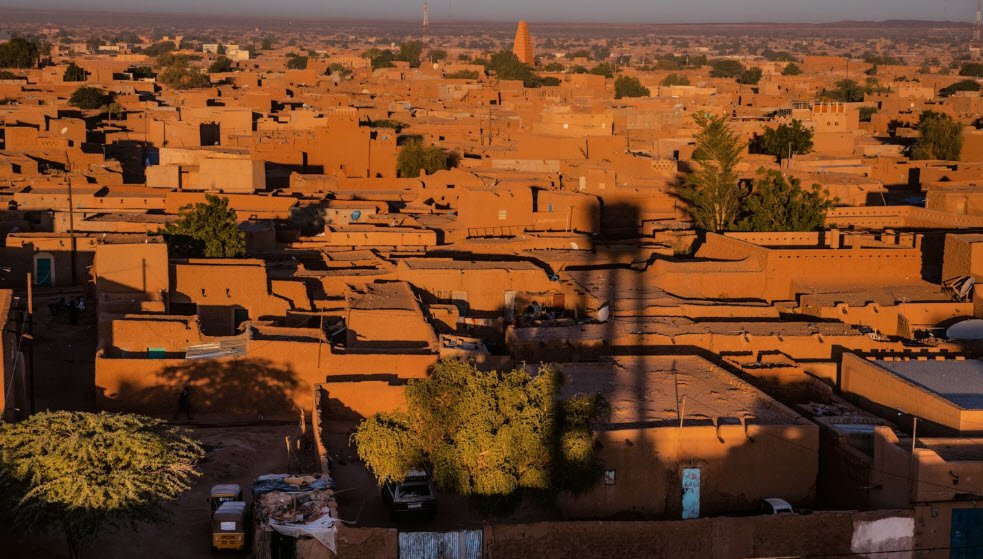
6. Niger
Area: 1,267,000 km²
Capital: Niamey
Niger is one of the largest countries in West Africa, with much of its territory covered by the Sahara Desert. Despite its harsh desert climate, Niger has a rich cultural history and vibrant traditions.
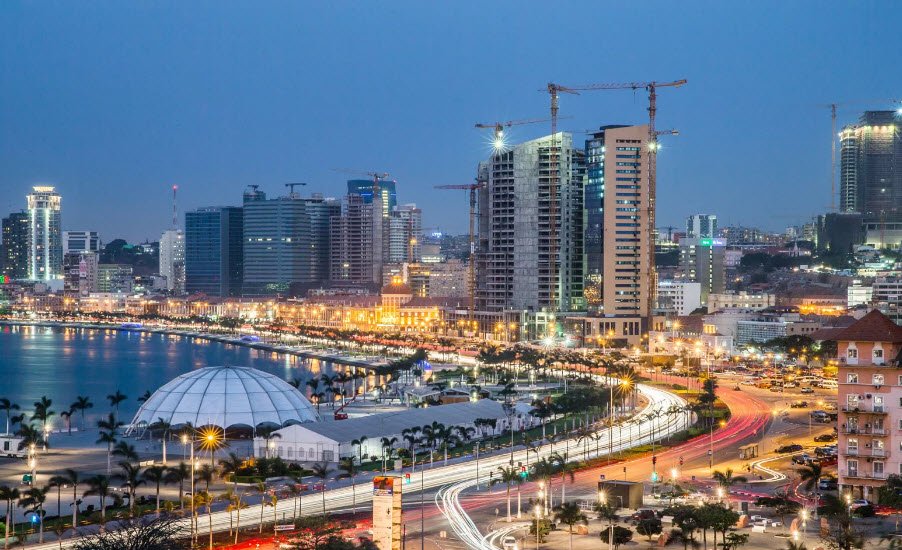
7. Angola
Area: 1,246,700 km²
Capital: Luanda
Located in southwestern Africa, Angola combines tropical coastlines with mineral-rich interior regions. The country boasts a long Atlantic coastline and is known for its oil and diamond resources.
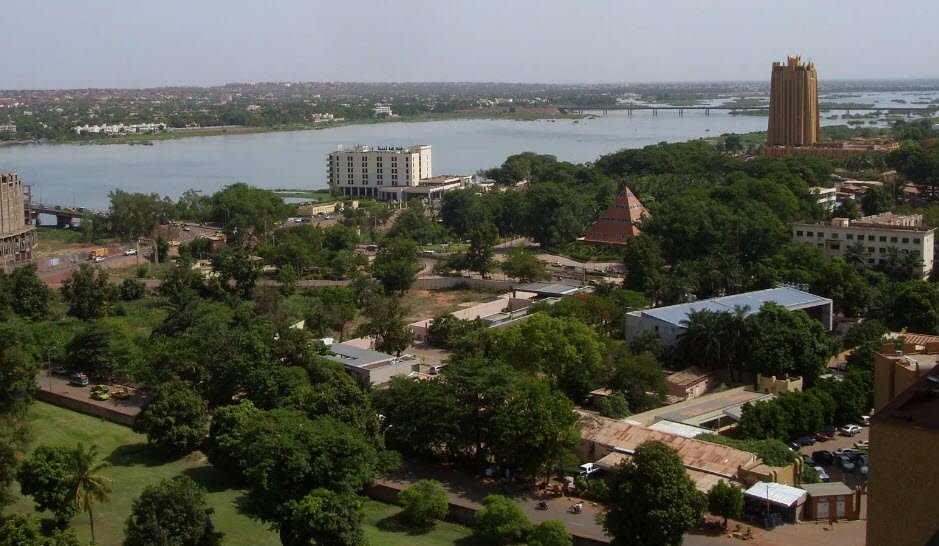
8. Mali
Area: 1,240,192 km²
Capital: Bamako
Mali is one of Africa’s historically significant nations, once home to powerful empires that controlled major trade routes across the Sahara. The legendary Mali Empire was one of the richest and most influential empires in African history.
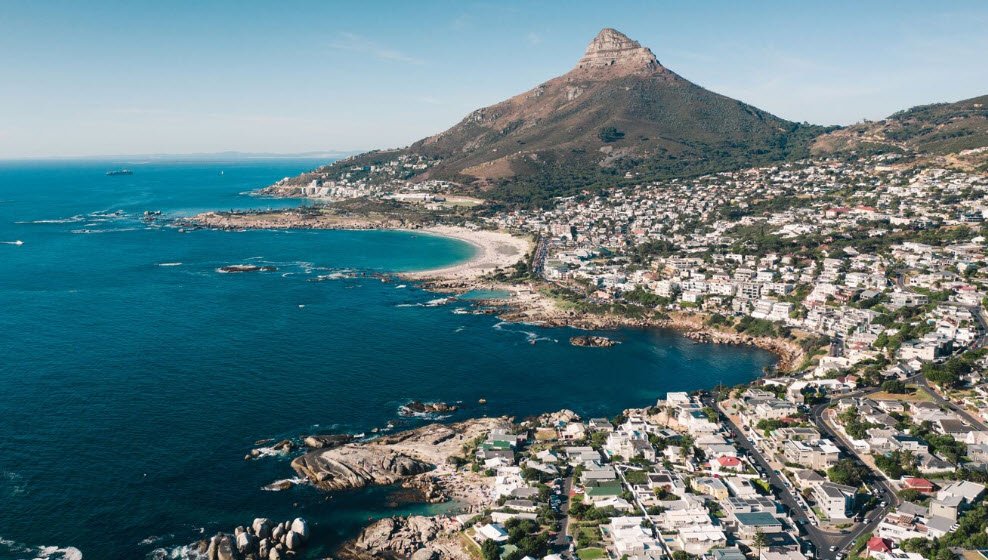
9. South Africa
Area: 1,221,037 km²
Capitals: Pretoria (Executive), Cape Town (Legislative) and Bloemfontein (Judicial)
South Africa is one of the continent’s most developed economies and is famous for its natural beauty, wildlife, and modern cities. The country is unique for having three official capitals serving different branches of government.
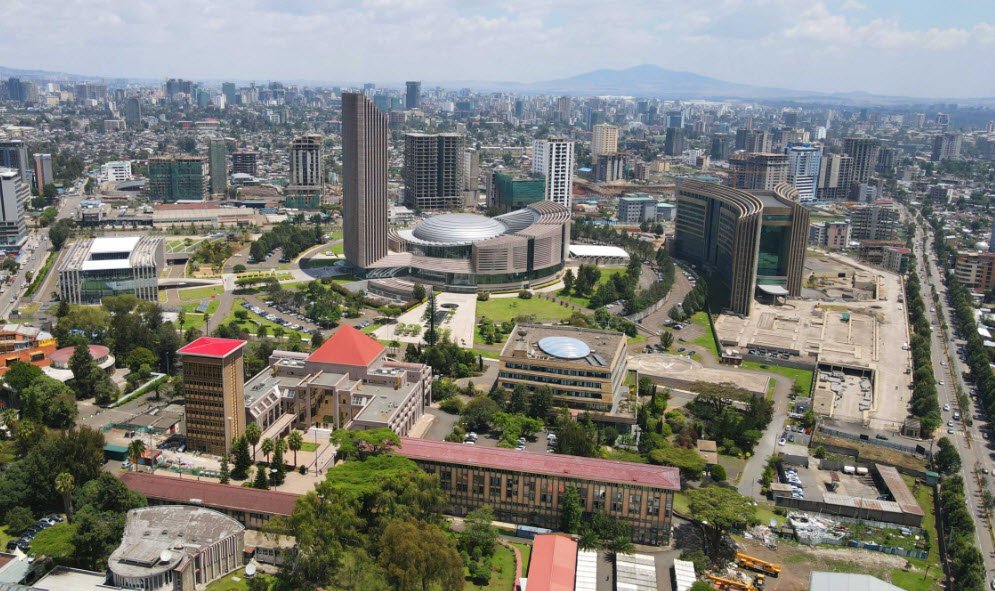
10. Ethiopia
Area: 1,104,300 km²
Capital: Addis Ababa
Ethiopia is among Africa’s oldest nations and is known for its mountainous landscapes and ancient history. Often called the “Roof of Africa,” Ethiopia features some of the highest mountains on the continent.
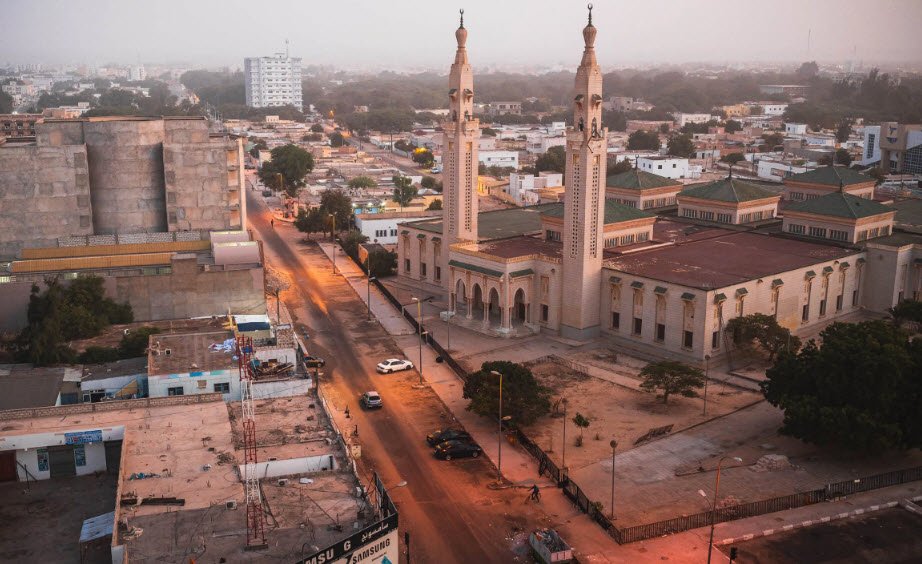
11. Mauritania
Area: 1,030,700 km²
Capital: Nouakchott
Mauritania acts as a cultural and geographical bridge between North Africa and sub-Saharan Africa. Much of the country is covered by desert landscapes, creating breathtaking Saharan scenery.
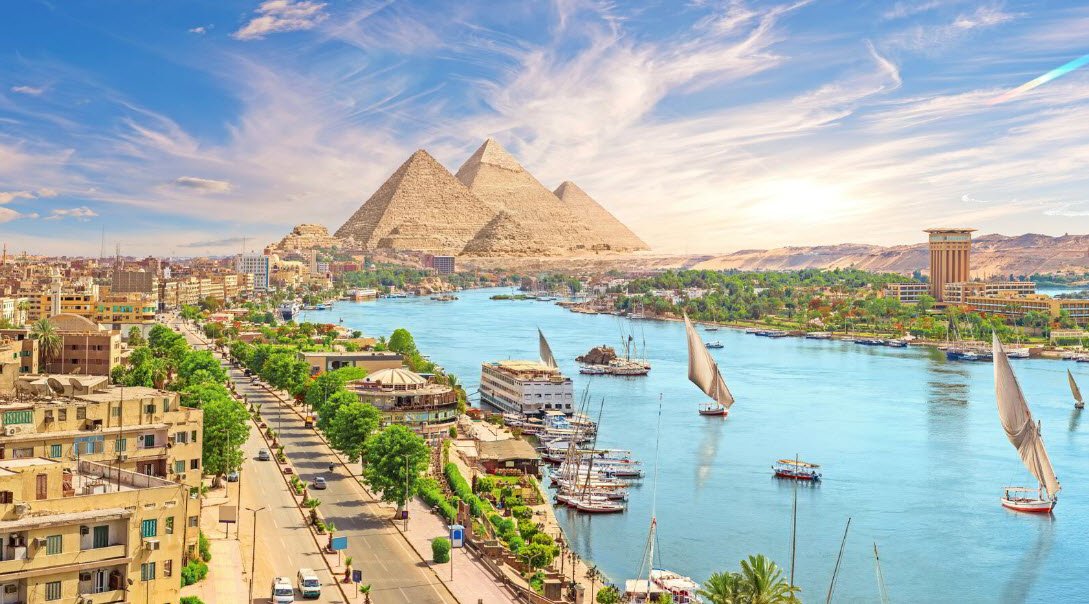
12. Egypt
Area: 1,010,408 km²
Capital: Cairo
Egypt is one of the world’s most historically important nations, famous for its pyramids, ancient civilization, and the Nile River. Although much of Egypt is desert, the fertile Nile Valley supports the majority of its population.
Final Thoughts
Africa’s largest countries showcase the continent’s incredible geographical diversity from endless deserts and tropical forests to historic empires and modern megacities. These nations not only dominate in size but also play important cultural, economic, and historical roles across the continent.
Comments
Comments are closed.