ENG

 David
10 Most Beautiful Villages in Russia You Need To Know
Russia is often associated with grand cities, imperial palaces, and vast wilderness. Yet some of the country's most memorable destinations are found far from major urban centers. Across forests, lake districts, river valleys, and northern coastlines, travelers can discover villages that preserve centuries of history, traditional architecture, and local culture.
Many of these settlements are known for their wooden houses, historic churches, monasteries, and close connections to the natural landscape. In Karelia, villages reflect Finno-Ugric traditions and forest life. In the Russian North, remote communities preserve remarkable examples of wooden architecture. Elsewhere, ancient stone fortresses, monastery complexes, and riverfront settlements reveal layers of Russian history.
This article presents an editorial selection of the most beautiful villages in Russia. Beauty is subjective, and these villages were chosen for their scenery, architecture, cultural heritage, historical importance, and overall atmosphere rather than any formal ranking.
- Kinerma, Karelia
- Kimzha, Arkhangelsk Oblast
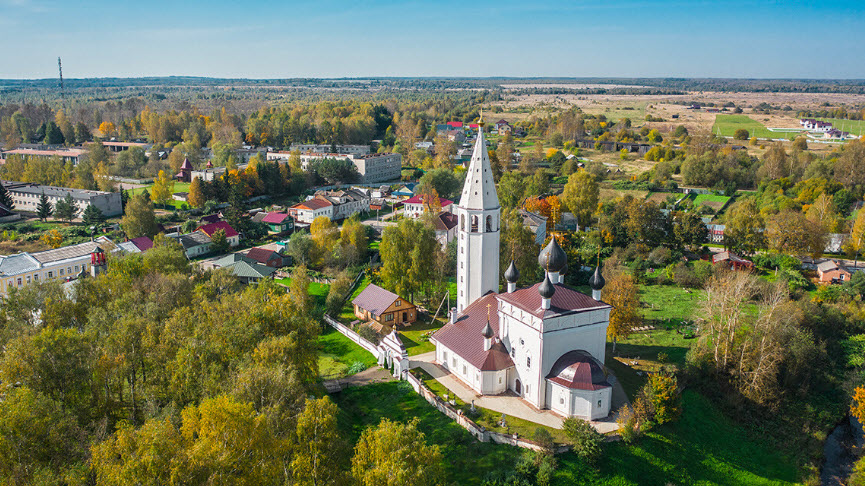
- Vyatskoye, Yaroslavl Oblast
- Izborsk, Pskov Oblast
- Staraya Ladoga, Leningrad Oblast
- Ferapontovo, Vologda Oblast
- Oshevenskiy Pogost, Arkhangelsk Oblast
- Vorzogory, Arkhangelsk Oblast
- Volgoverkhovye, Tver Oblast
- Shyoltozero, Karelia
1. Kinerma, Karelia
Kinerma is one of the best-known historic villages in the Republic of Karelia. First mentioned in historical records in the late 15th century, it has preserved the character of a traditional Karelian settlement while remaining a living community. It is also recognized by the association of the "Most Beautiful Villages of Russia."
The beauty of Kinerma comes from its harmonious layout and remarkable collection of wooden buildings. Traditional Karelian houses stand around the village center, creating a landscape that feels closely connected to its historical roots. Many buildings are protected as cultural heritage sites.
Dense forests surround the village, adding to its peaceful atmosphere. Karelia's combination of pine woods, lakes, and quiet countryside provides a striking natural backdrop. The village feels integrated into the landscape rather than imposed upon it.
A major landmark is the 18th-century Chapel of Our Lady of Smolensk, a traditional wooden religious structure that remains one of Kinerma's most recognizable features.
What makes Kinerma different from many other Russian villages is its distinctly Karelian identity. The architecture, local traditions, and cultural heritage reflect the history of the Livvi Karelians rather than the architectural patterns found in central Russia.
Visitors often enjoy walking through the village, photographing traditional houses, learning about Karelian culture, and sampling regional cuisine when available through local tourism initiatives.
2. Kimzha, Arkhangelsk Oblast
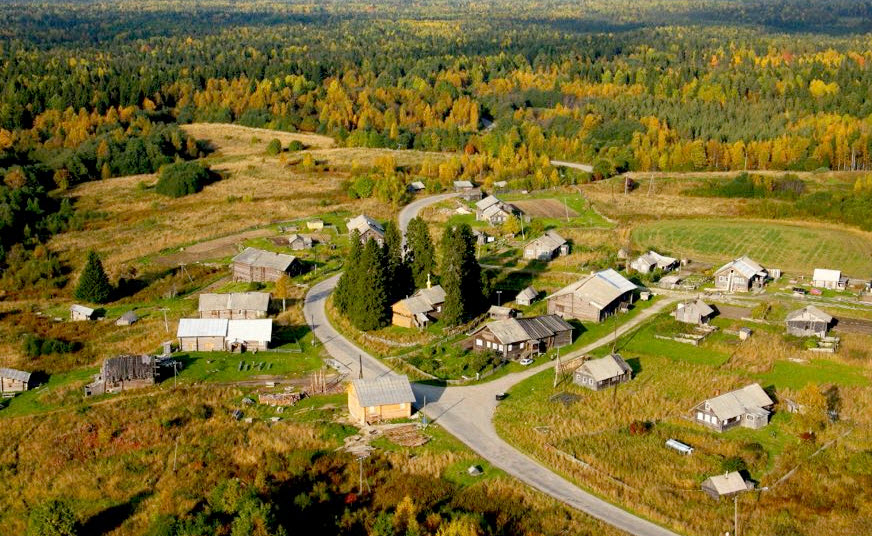
Kimzha is one of the most impressive examples of traditional northern Russian village architecture. Located in the remote Mezen region of Arkhangelsk Oblast, it is known for its historic wooden structures and distinctive northern character.
The village's beauty comes from its extraordinary concentration of traditional wooden architecture. Large log houses, weathered by the northern climate, line the settlement and reflect centuries of adaptation to life in the Russian North.
Kimzha stands within a landscape of forests, rivers, and open northern terrain. Its remote location contributes greatly to its visual appeal. The surrounding scenery feels untouched, and the village retains a strong sense of historical continuity.
Among the most notable sights are its historic wooden churches and traditional windmills, which have become symbols of Kimzha's architectural heritage. The surviving windmills are particularly important because such structures have disappeared from many other rural areas.
Unlike villages shaped by stone architecture or monastery complexes, Kimzha is celebrated primarily for its wooden building traditions. The settlement demonstrates how northern communities developed practical yet visually striking architecture suited to harsh conditions.
Visitors typically spend their time exploring historic streets, photographing traditional buildings, and experiencing the atmosphere of one of Russia's most distinctive rural communities.
3. Vyatskoye, Yaroslavl Oblast
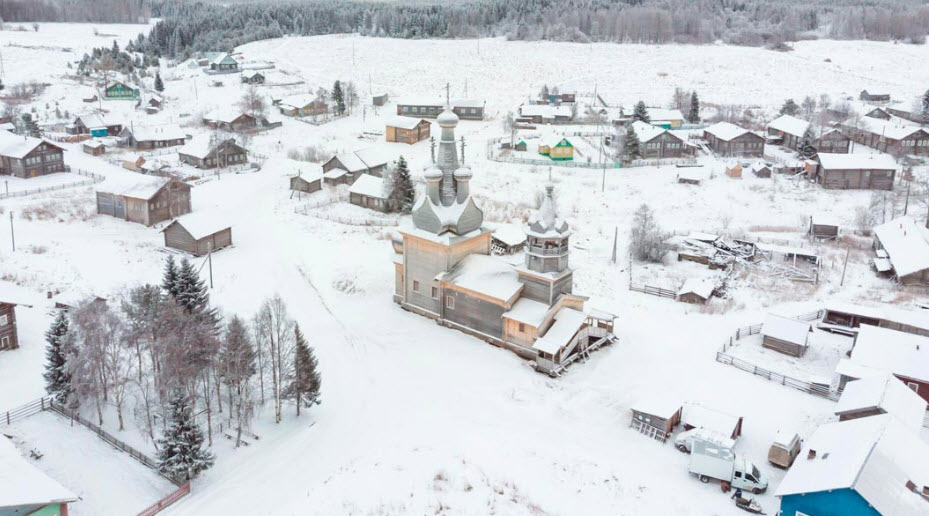
Vyatskoye is one of the most famous historic villages in central Russia. Situated in Yaroslavl Oblast, it differs from many remote northern villages because extensive restoration and preservation efforts have helped revitalize its historical center.
The village is attractive not only for its architecture but also for the way its historical character has been maintained. Restored merchant houses, village streets, and traditional buildings create a cohesive and visually appealing environment.
The surrounding countryside of Yaroslavl Oblast provides gentle rural scenery that complements the built heritage of the settlement. Fields, river landscapes, and traditional village views contribute to the atmosphere.
Vyatskoye is especially known for its museums and cultural attractions. Visitors can explore exhibitions dedicated to local history and learn more about the life of the Russian countryside. The combination of heritage buildings and cultural institutions makes the village more interactive than many rural destinations.
What sets Vyatskoye apart is the balance between preservation and accessibility. Travelers can enjoy a village atmosphere while also finding organized cultural experiences and visitor facilities.
Popular activities include walking through the restored streets, visiting museums, exploring historic architecture, and enjoying the rural setting.
4. Izborsk, Pskov Oblast
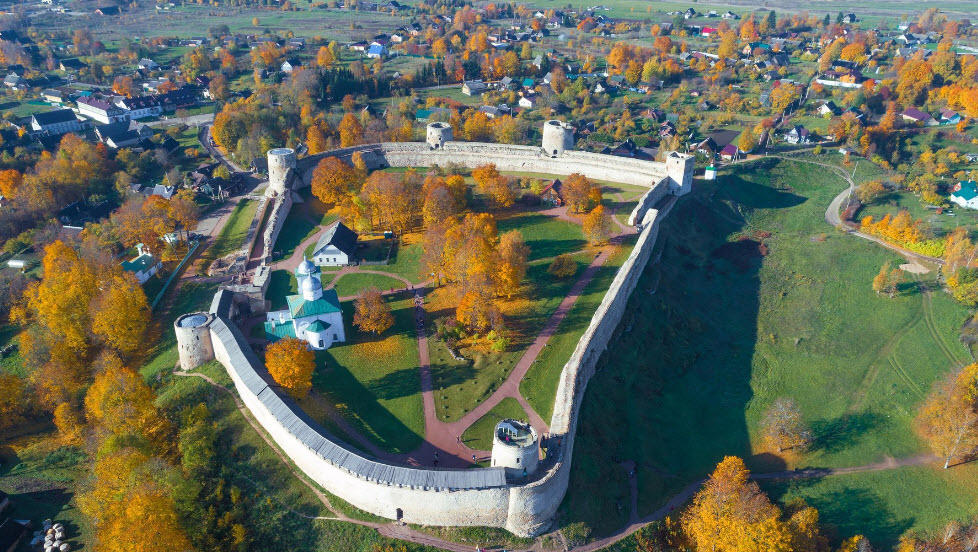
Izborsk is one of Russia's oldest rural settlements and a place where history and scenery combine in remarkable ways. The village is best known for the imposing Izborsk Fortress, one of the most important medieval fortifications in western Russia.
The beauty of Izborsk lies in its mixture of stone architecture, lakes, rolling countryside, and medieval landmarks. Unlike many northern villages dominated by wood, Izborsk is characterized by stone structures and defensive walls.
The landscape surrounding the village includes lakes, springs, meadows, and elevated viewpoints. These natural features create excellent opportunities for photography throughout the year.
The main attraction is the 14th-century fortress that crowns a strategic hill overlooking the surrounding countryside. Historic churches and traditional stone buildings further enrich the village's appearance.
What makes Izborsk unique is its combination of a rural setting and a strong medieval identity. Few villages in Russia offer such a dramatic concentration of military, religious, and architectural heritage.
Visitors often spend time walking the fortress walls, exploring historic churches, and enjoying panoramic views across the Pskov landscape.
5. Staraya Ladoga, Leningrad Oblast
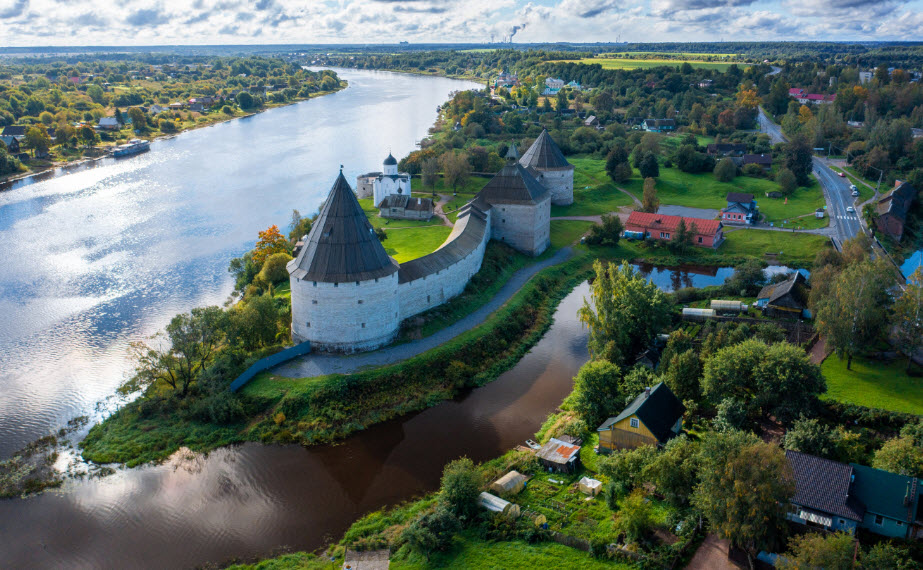
Staraya Ladoga is a historic village of exceptional significance. Located on the Volkhov River, it is considered one of the earliest important settlements connected with the formation of early Rus.
Its beauty comes from the combination of ancient monuments and riverside scenery. Historic churches, monasteries, and the fortress are set against the calm waters of the Volkhov.
The Staraya Ladoga Fortress dominates the village landscape. Positioned near the river, it creates one of the most recognizable historic views in northwestern Russia.
The settlement also contains historic churches and monastic complexes that reflect centuries of religious life. Together, these monuments form a rich historical landscape.
What distinguishes Staraya Ladoga is its extraordinary historical importance combined with a peaceful rural atmosphere. While many ancient settlements eventually developed into cities, Staraya Ladoga retained its village character.
Visitors can explore the fortress, walk along the river, visit historic churches, and learn about the area's role in early Russian history.
6. Ferapontovo, Vologda Oblast
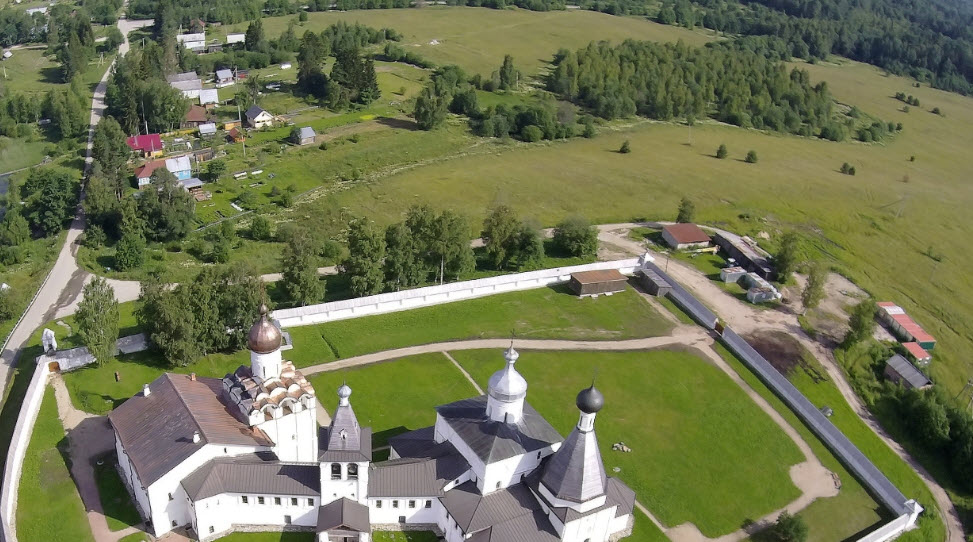
Ferapontovo is a small village with a global cultural significance thanks to the Ferapontov Monastery. The monastery complex was inscribed on the UNESCO World Heritage List and is one of the finest examples of medieval Russian religious architecture.
The village is surrounded by lakes, forests, and the gentle landscapes of Vologda Oblast. This tranquil setting enhances the beauty of the monastic ensemble.
The centerpiece is the monastery itself, founded in the late 14th century. Its architecture is notable for both simplicity and elegance. The most famous artistic treasure is the cycle of frescoes created by Dionisy in 1502, among the most important surviving works of medieval Russian art.
Ferapontovo differs from many other villages because visitors primarily come to experience a major cultural monument rather than village architecture alone. The settlement and monastery are closely linked, creating a distinctive historical landscape.
The best experiences include exploring the monastery grounds, viewing the architecture, learning about Orthodox heritage, and appreciating the peaceful northern surroundings.
7. Oshevenskiy Pogost, Arkhangelsk Oblast
Oshevenskiy Pogost is one of the most atmospheric historic settlements in northern Russia. The term "pogost" traditionally referred to a rural church and settlement center, reflecting the area's historical role.
The village is known for its traditional wooden architecture and remote rural setting. Historic log buildings remain closely connected to the surrounding agricultural landscape.
Northern forests and meadows shape the scenery around the settlement. The environment feels quiet and isolated, which adds to its appeal for travelers seeking traditional rural Russia.
The principal sights are its historic wooden churches and other examples of northern religious architecture. These structures reflect long-standing regional building traditions developed without extensive use of stone.
What makes Oshevenskiy Pogost special is the authenticity of its landscape. Rather than functioning as an open-air museum, it remains part of a living historical region.
Visitors often enjoy photography, heritage exploration, and simply experiencing the calm atmosphere of the Russian North.
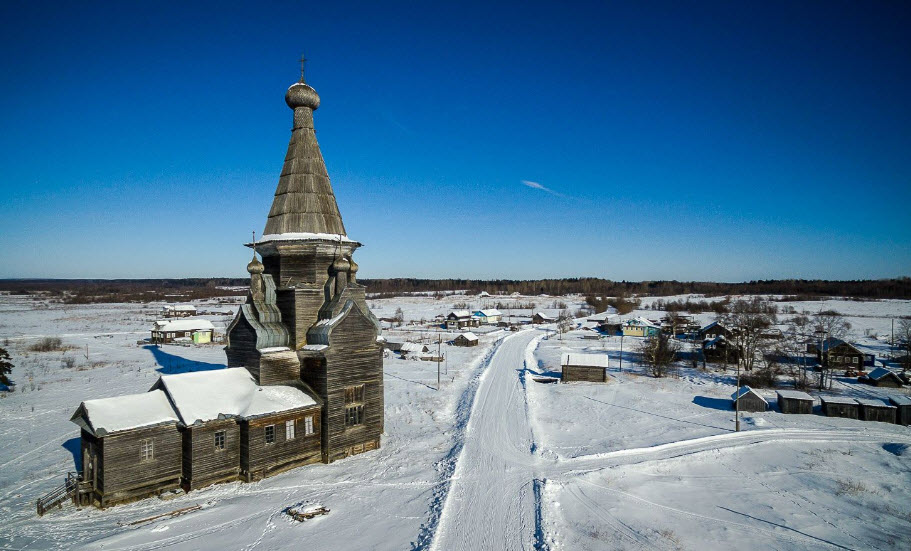
8. Vorzogory, Arkhangelsk Oblast
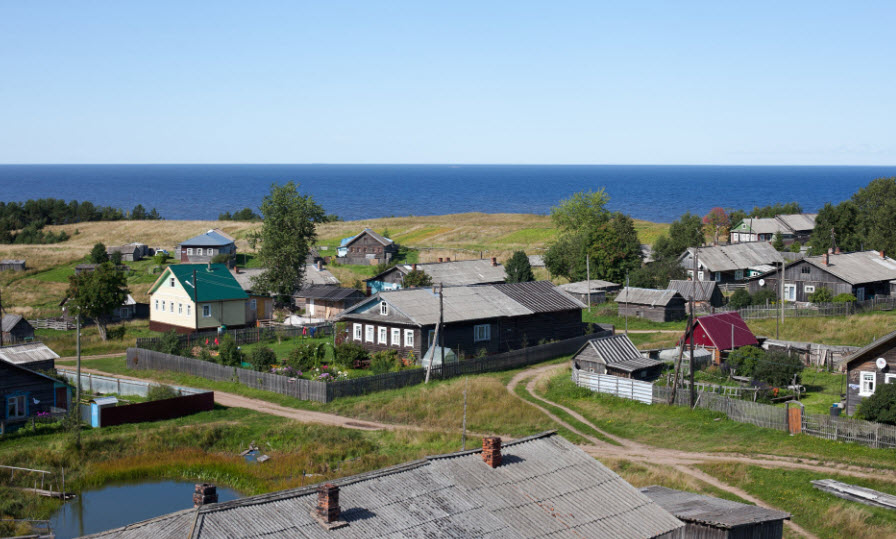
Vorzogory occupies a striking location near the White Sea coast and offers a very different version of village beauty. Here, the landscape is shaped by northern waters, maritime traditions, and open horizons.
The village's visual appeal comes from the combination of wooden architecture and coastal scenery. Traditional houses stand against a backdrop of sea views and northern skies.
The surrounding area features coastal landscapes rather than the forested settings found in many inland villages. The changing light over the White Sea creates memorable photographic opportunities.
Historic wooden churches are among the most important landmarks. Their silhouettes contribute strongly to the character of the village and connect Vorzogory to the architectural traditions of the Russian North.
What distinguishes Vorzogory is its maritime setting. Few Russian villages combine historic architecture with a coastal environment in such a compelling way.
Visitors often enjoy coastal walks, landscape photography, and discovering an area that remains far removed from mainstream tourist routes.
9. Volgoverkhovye, Tver Oblast
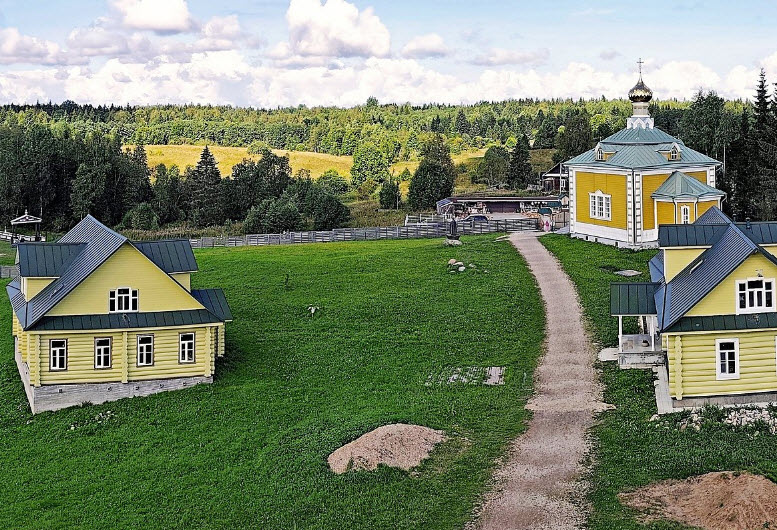
Volgoverkhovye is famous for a unique geographical distinction: it is located near the source of the Volga River, Europe's longest river.
The village's beauty lies in its symbolic significance as well as its peaceful natural surroundings. Rather than dramatic architecture, visitors are drawn by the landscape and the beginnings of one of the world's great river systems.
Wetlands, forests, meadows, and waterways create a serene environment. The setting is especially attractive for travelers interested in nature and geography.
The source area is marked by religious and commemorative landmarks connected with the cultural importance of the Volga. These sites help visitors appreciate the river's place in Russian history and identity.
What makes Volgoverkhovye different is that its main attraction is not a fortress, monastery, or preserved village center but the birthplace of a river that has shaped Russia for centuries.
Visitors commonly walk the source area, explore nearby religious sites, and enjoy the tranquil landscape.
10. Shyoltozero, Karelia
Shyoltozero, also spelled Sheltozero, is one of the most important centers of Veps culture in Karelia. The Veps are a Finno-Ugric people with a distinct language and cultural tradition.
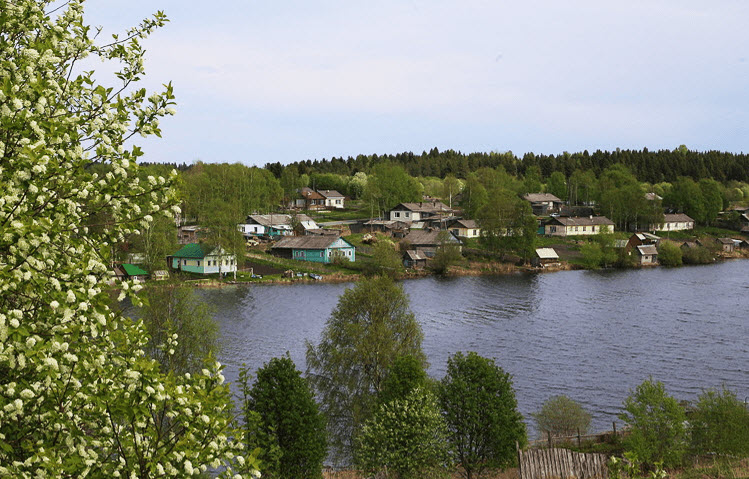
The village combines cultural significance with attractive natural surroundings near Lake Onega. Forests, lakeshores, and rural landscapes create a classic Karelian setting.
Traditional wooden architecture remains an important part of the local identity. Historic houses help preserve the visual character of the settlement and reflect Veps building traditions.
One of the most notable sites is the Rjurik Lonin Veps Ethnographic Museum, which preserves and presents the history, language, folklore, and material culture of the Veps people.
What makes Shyoltozero distinctive is its strong indigenous cultural heritage. While many villages emphasize Russian traditions, Shyoltozero provides insight into the history of one of the region's native peoples.
Visitors can learn about Veps culture, explore traditional architecture, and enjoy the scenery associated with Lake Onega and Karelia.
Conclusion
The most beautiful villages in Russia reveal a side of the country that many international travelers never see. From the wooden architecture of Kinerma and Kimzha to the medieval fortresses of Izborsk and Staraya Ladoga, each destination offers a unique blend of history, culture, and landscape. Some preserve centuries-old traditions, while others are defined by monasteries, rivers, lakes, or the rugged beauty of the Russian North.
For travelers willing to venture beyond famous cities, these villages provide rewarding experiences rooted in authentic local heritage. Whether your interests include photography, architecture, history, or rural scenery, Russia's historic villages offer some of the country's most memorable and distinctive travel experiences.
Comments
Comments are closed.