ENG

 Maya Reynolds
18 Tourist Attractions That Might Not Be Worth the Hype
Travel dreams are often built around iconic landmarks, breathtaking photographs, and destinations that appear on almost every bucket list. From world-famous monuments to spectacular viewpoints, some tourist attractions have become so popular that visiting them feels like an essential part of travelling. But does every famous attraction live up to its reputation?
Not necessarily. Some places are considerably smaller than their photographs suggest, others are overwhelmed by crowds, and a few offer experiences that may not justify the time, money, or effort required to visit them. This does not mean these destinations lack historical or cultural value. Rather, expectations can sometimes be very different from reality.
If you are planning an international holiday, here are 18 tourist attractions that might not be worth the hype, along with practical tips to help you decide whether they deserve a place on your itinerary.
- Hollywood Walk of Fame, USA
- Times Square, New York City, USA
- The Little Mermaid, Copenhagen, Denmark
- Manneken Pis, Brussels, Belgium
- Juliet's Balcony, Verona, Italy
- Checkpoint Charlie, Berlin, Germany
- Gates of Heaven at Lempuyang Temple, Bali, Indonesia
- Trevi Fountain, Rome, Italy
- Mona Lisa, Louvre Museum, Paris, France
- Burj Khalifa Observation Deck, Dubai, UAE
- Oia Sunset, Santorini, Greece
- Four Corners Monument, USA
- Leaning Tower of Pisa, Italy
- Fisherman's Wharf, San Francisco, USA
- Las Ramblas, Barcelona, Spain
- James Bond Island, Thailand
- Stonehenge, England
- The Hollywood Sign Viewpoints, USA
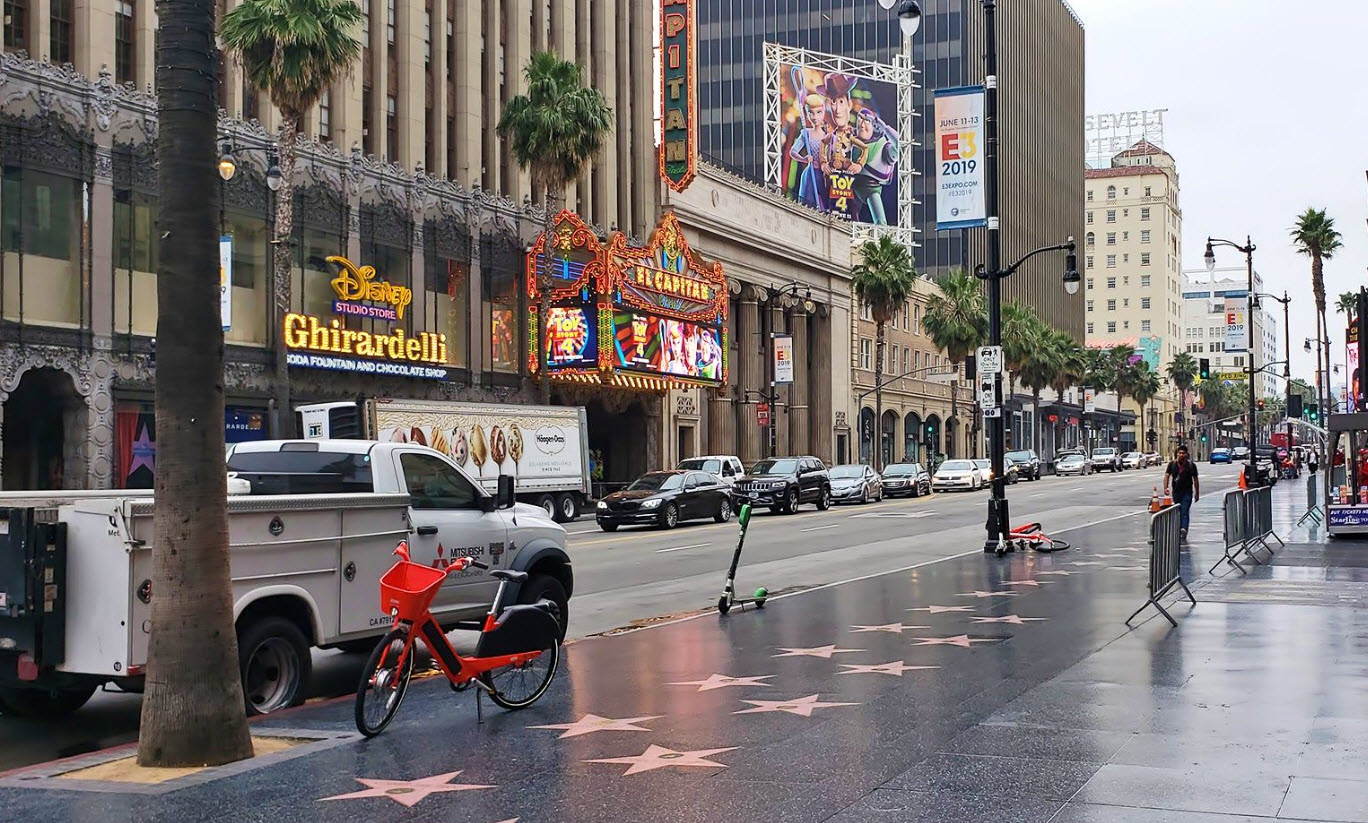
1. Hollywood Walk of Fame, USA
Located along Hollywood Boulevard in Los Angeles, the Hollywood Walk of Fame celebrates celebrities from the entertainment industry through thousands of embedded stars.
While it sounds glamorous, the actual experience is largely walking along busy pavements searching for particular names. The surrounding area can also feel crowded and commercialised. Visit if you enjoy Hollywood history, but combine it with the TCL Chinese Theatre or a Hollywood Sign viewpoint.
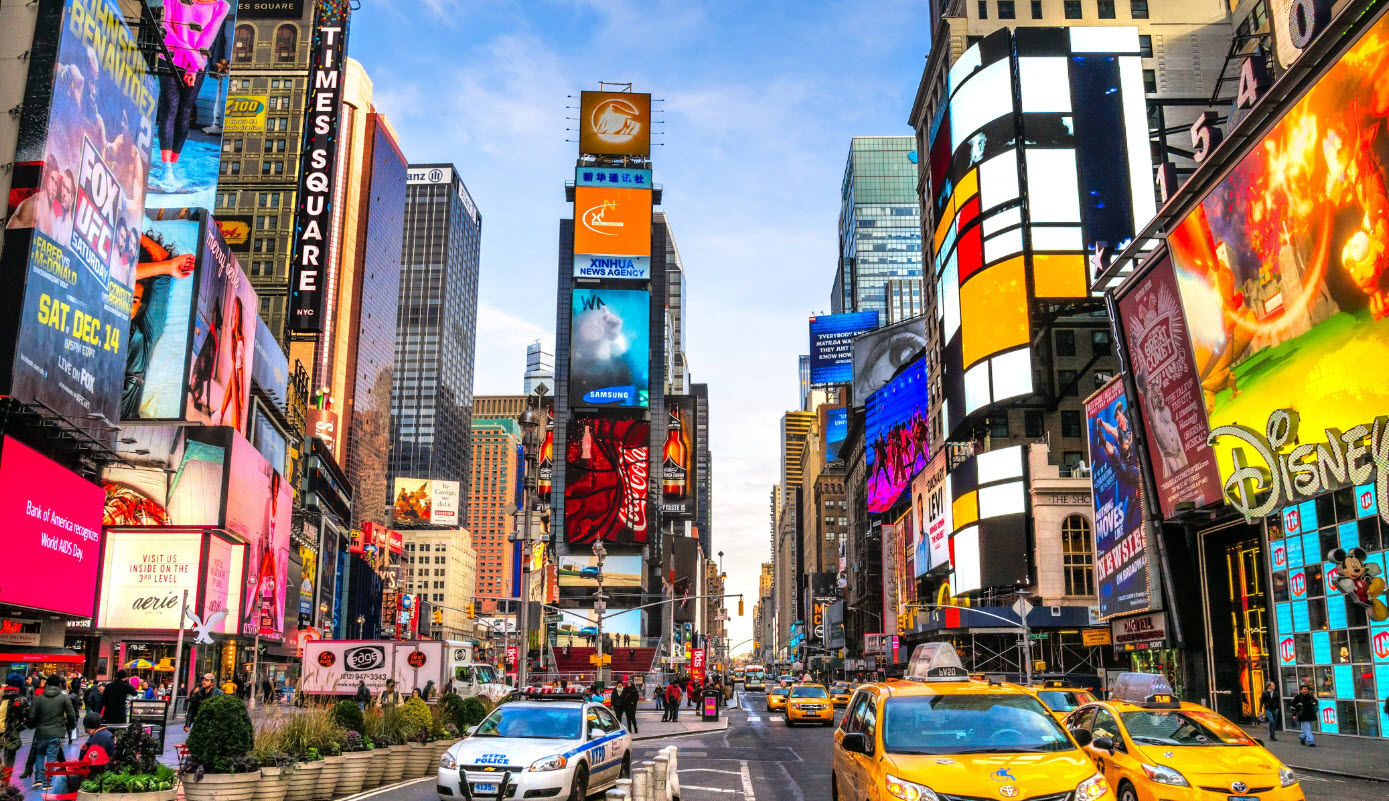
2. Times Square, New York City, USA
Times Square is famous for its enormous digital billboards, bright advertisements, and energetic atmosphere. However, the constant crowds, traffic, expensive restaurants, and overwhelming commercial environment can make the experience exhausting.
It is worth seeing once, particularly after sunset, but spending several hours here may not be necessary. Explore nearby Broadway theatres or Bryant Park for a more rewarding experience.
3. The Little Mermaid, Copenhagen, Denmark
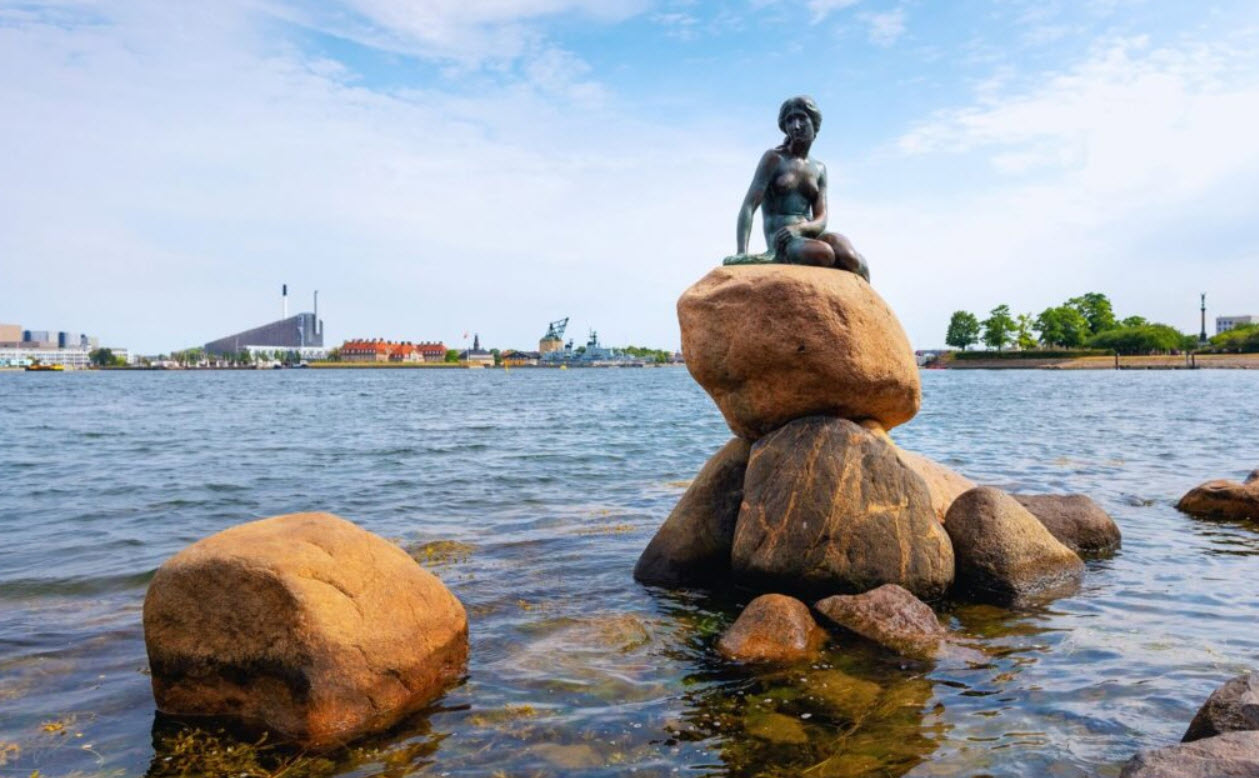
Inspired by Hans Christian Andersen's famous fairy tale, this bronze sculpture has become one of Copenhagen's most recognisable landmarks. Created by Edvard Eriksen and unveiled in 1913, the statue sits on a rock beside the harbour. However, its relatively small size surprises many visitors.
Rather than making a separate trip, combine it with a walk along Langelinie and a visit to nearby Kastellet.
4. Manneken Pis, Brussels, Belgium
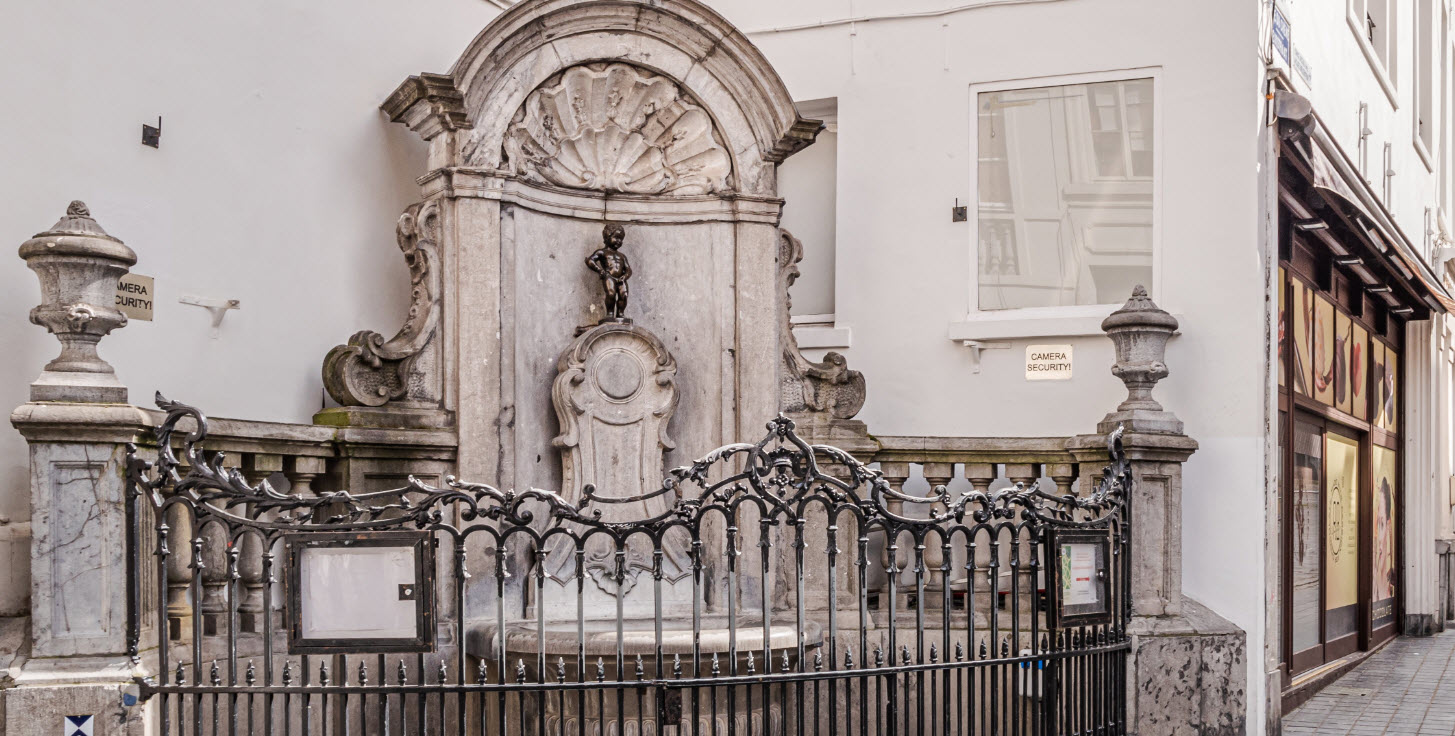
Brussels' famous Manneken Pis is a small bronze statue of a boy standing beside a fountain. Created by Jérôme Duquesnoy the Elder in 1619, it has become an unusual symbol of the Belgian capital. Its cultural significance is greater than its physical appearance, which can disappoint first-time visitors.
Consider visiting the nearby Grand-Place and the GardeRobe MannekenPis museum to understand its history.
5. Juliet's Balcony, Verona, Italy
Romantic travellers frequently visit Juliet's House, believing it represents the famous balcony scene from Shakespeare's Romeo and Juliet. However, the Shakespearean story is fictional, and the building's association with Juliet is a later tourism tradition. The courtyard can become busy with visitors taking photographs.
Verona itself offers beautiful historic streets, impressive architecture, and Roman heritage that deserve equal attention.

6. Checkpoint Charlie, Berlin, Germany
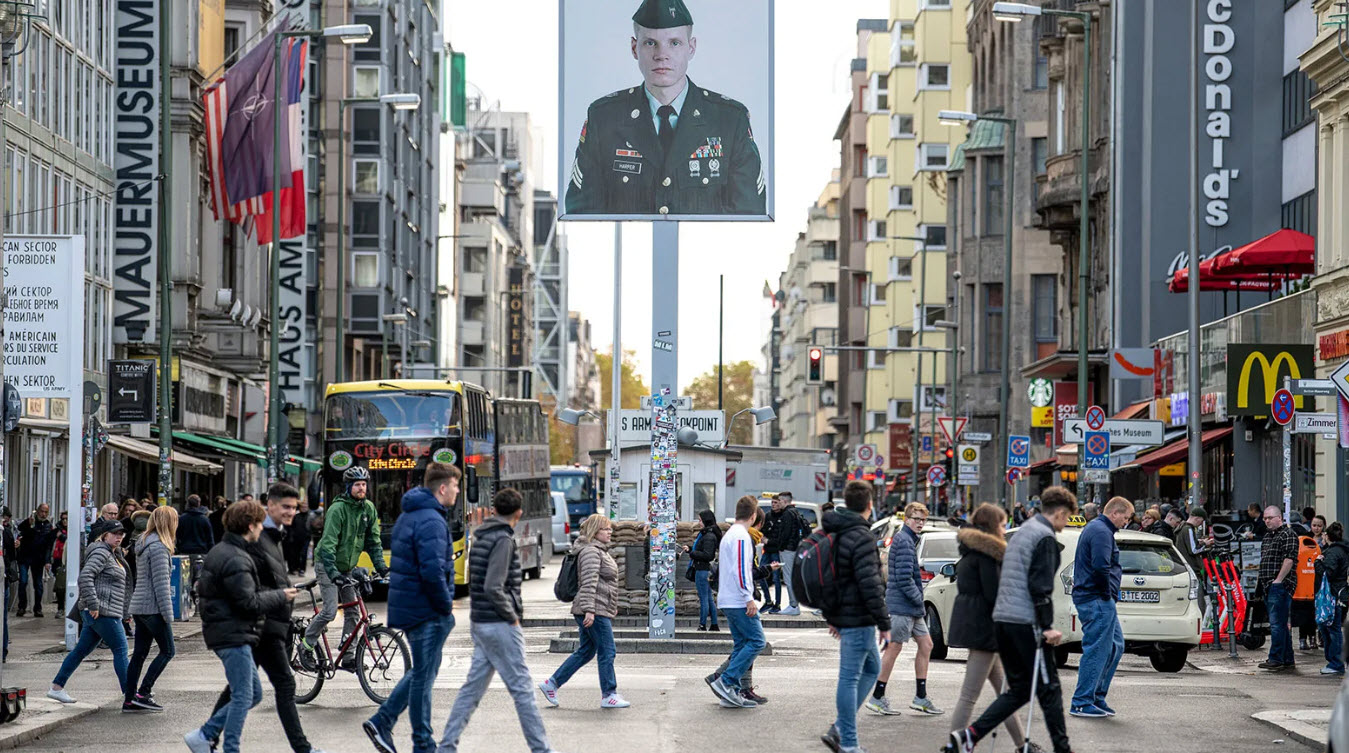
Checkpoint Charlie was one of the most important crossing points between East and West Berlin during the Cold War. Today, visitors can see a reconstructed checkpoint hut and take photographs at this historically significant location. However, the visible installation is relatively small, and the commercial surroundings can reduce its atmosphere.
For a deeper understanding of Berlin's divided history, visit the Berlin Wall Memorial.
7. Gates of Heaven at Lempuyang Temple, Bali, Indonesia
The famous split gates at Pura Lempuyang have become an international photography sensation. Mount Agung provides a dramatic background, although the popular mirror-like water reflection in photographs is created using a photography technique rather than an actual reflective pool. Long queues for photographs can also consume valuable holiday time.
Remember that this is an active Hindu temple, so respectful clothing and behaviour are essential.

8. Trevi Fountain, Rome, Italy
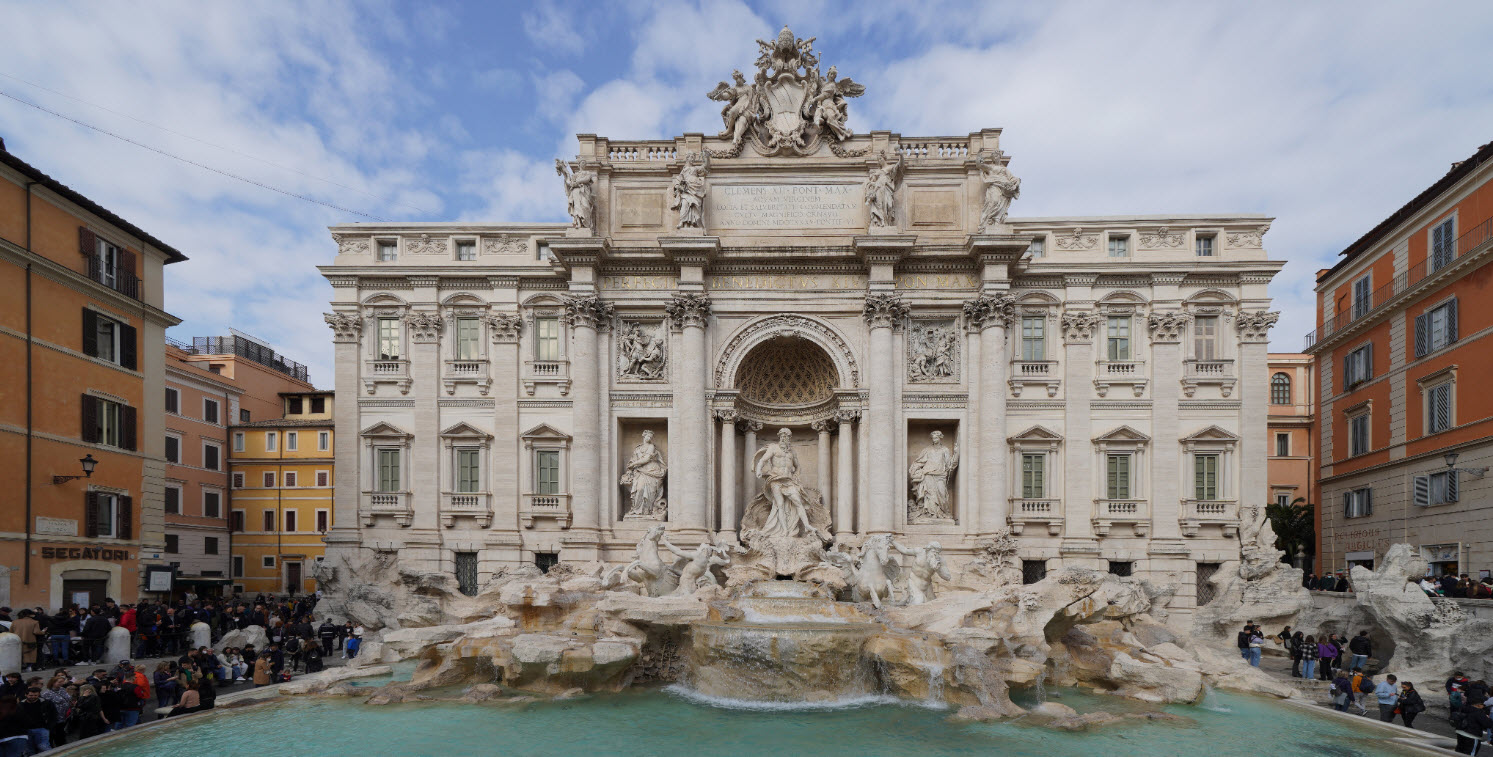
The magnificent Baroque Trevi Fountain is undoubtedly beautiful, but its popularity means visitors frequently encounter dense crowds around its relatively compact square. Getting a peaceful photograph can be difficult during busy hours. From 2 February 2026, non-residents must also pay €2 to enter the inner perimeter, although viewing the fountain from the surrounding square remains free.
Visit early or late for a better experience.
9. Mona Lisa, Louvre Museum, Paris, France
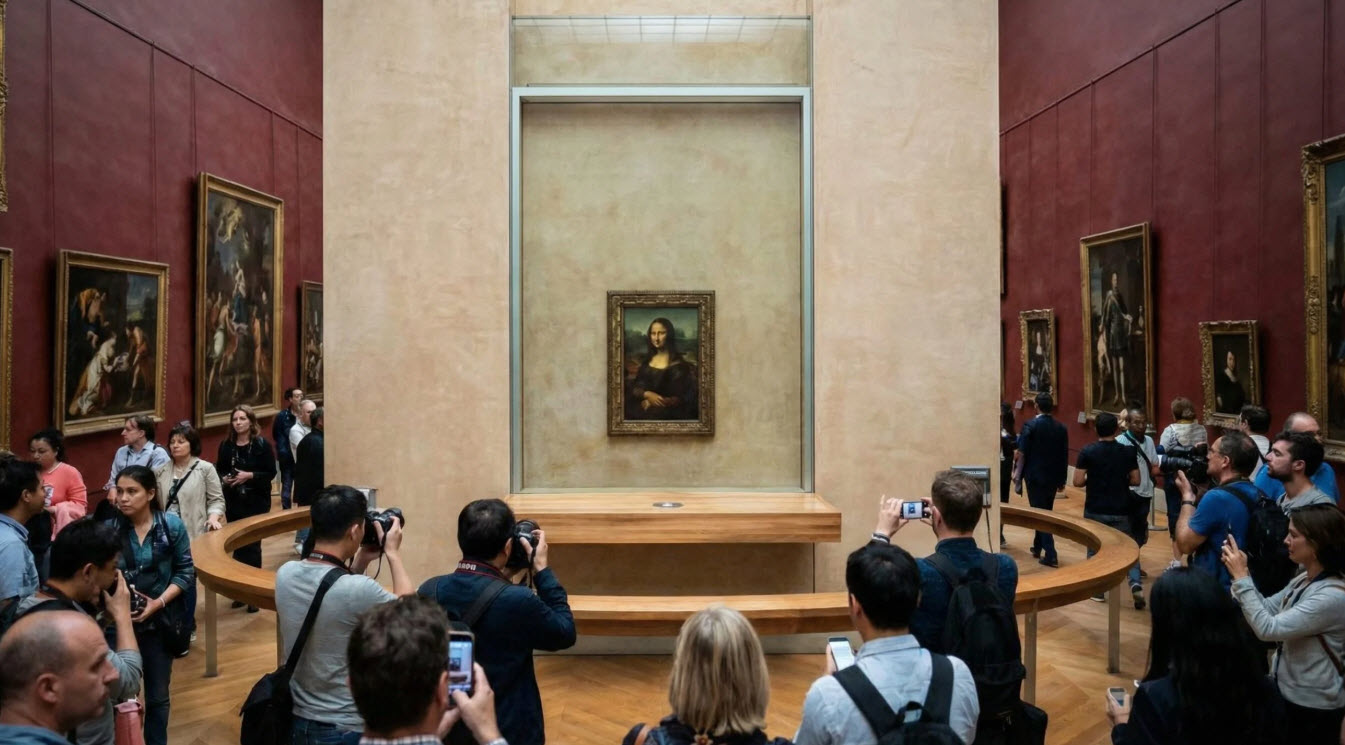
Leonardo da Vinci's Mona Lisa is one of the world's most celebrated paintings. Yet, many visitors are surprised by its relatively modest dimensions and the crowds gathered behind protective barriers. Getting a clear, uninterrupted view can be challenging.
The Louvre, however, contains thousands of remarkable artworks. Explore its quieter galleries instead of making the entire visit about one famous painting.
10. Burj Khalifa Observation Deck, Dubai, UAE
Standing 828 metres tall, the Burj Khalifa is an extraordinary architectural achievement and a defining feature of Dubai's skyline. Its observation decks offer impressive city views, but tickets, waiting times, and busy viewing areas may make the experience less enjoyable for some travellers.
Consider whether you really need to go inside. Several alternative viewpoints around Dubai provide beautiful perspectives of the city's skyline.

11. Oia Sunset, Santorini, Greece
Oia is famous for its whitewashed buildings, blue-domed churches, and spectacular sunsets overlooking the Aegean Sea. Unfortunately, its popularity means that the most desirable viewing locations can become extremely crowded, particularly during peak summer travel.
The scenery is beautiful, but sharing a narrow viewpoint with hundreds of visitors can reduce the romantic atmosphere. Explore Santorini's quieter villages and coastal paths as alternatives.

12. Four Corners Monument, USA
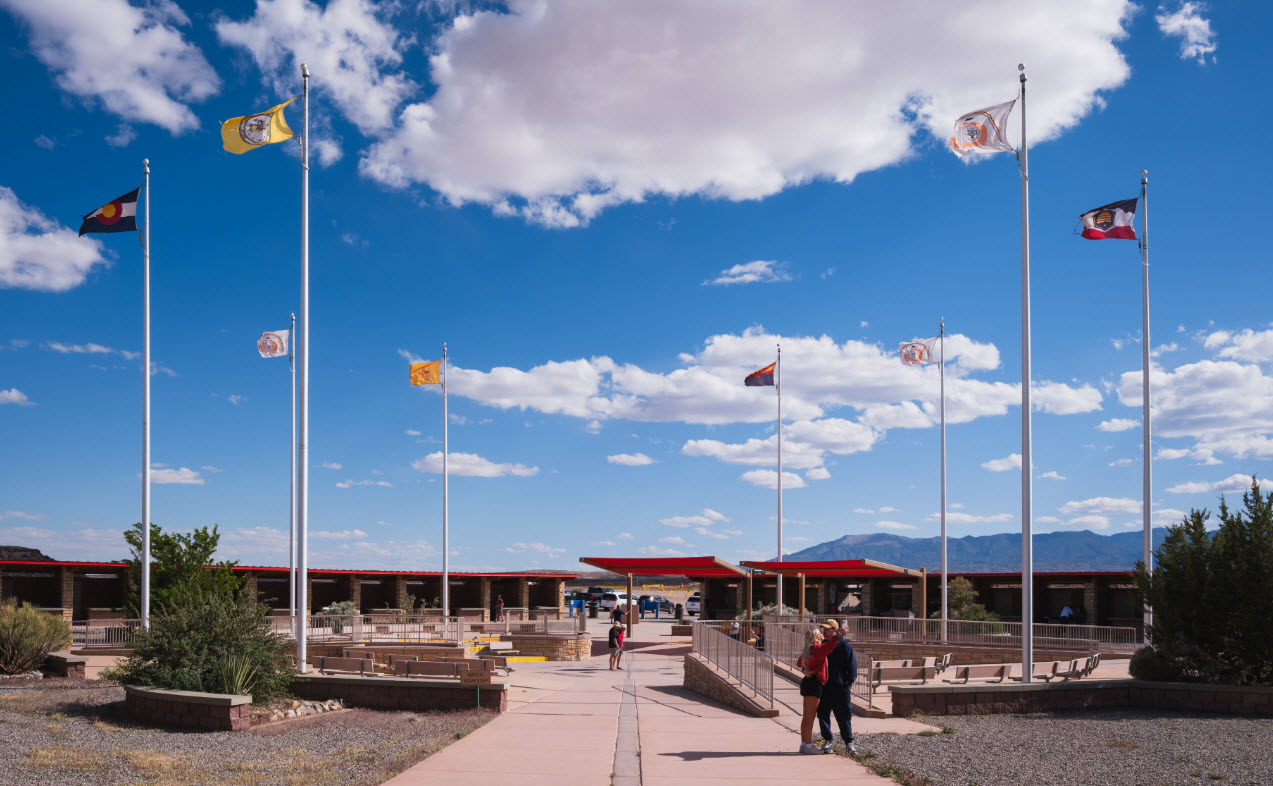
The Four Corners Monument marks the geographical point where Arizona, Colorado, New Mexico, and Utah meet. Visitors enjoy standing across four states simultaneously and taking photographs. However, the attraction itself is essentially a marked geographical intersection rather than a large monument or extensive visitor complex.
It is interesting for geography enthusiasts, but travellers should manage expectations and explore the surrounding landscapes as well.
13. Leaning Tower of Pisa, Italy
The Leaning Tower of Pisa is among Europe's most recognisable architectural landmarks. Its unusual tilt makes it fascinating, but the main attraction is relatively straightforward: viewing the tower, photographing its distinctive angle, and potentially climbing its staircase.
The surrounding Piazza dei Miracoli is considerably more rewarding, with its cathedral and baptistery. Spend time exploring the entire complex rather than visiting only for photographs.

14. Fisherman's Wharf, San Francisco, USA
Fisherman's Wharf attracts visitors with waterfront views, seafood restaurants, souvenir shops, and nearby attractions such as Pier 39. However, its heavily commercialised atmosphere may not appeal to travellers seeking authentic local experiences. Restaurant prices and tourist-oriented shops can also make it feel less distinctive.
For a different perspective, explore neighbourhoods such as North Beach or enjoy a walk along the Embarcadero.

15. Las Ramblas, Barcelona, Spain
Las Ramblas is Barcelona's famous tree-lined boulevard, connecting Plaça de Catalunya with the waterfront. Although it is an important part of the city's urban character, its popularity has brought large crowds, tourist-focused businesses, and pickpocketing concerns. Visitors may find better food and shopping experiences on nearby streets.
Explore the Gothic Quarter and El Born to discover more of Barcelona's architectural and cultural character.

16. James Bond Island, Thailand
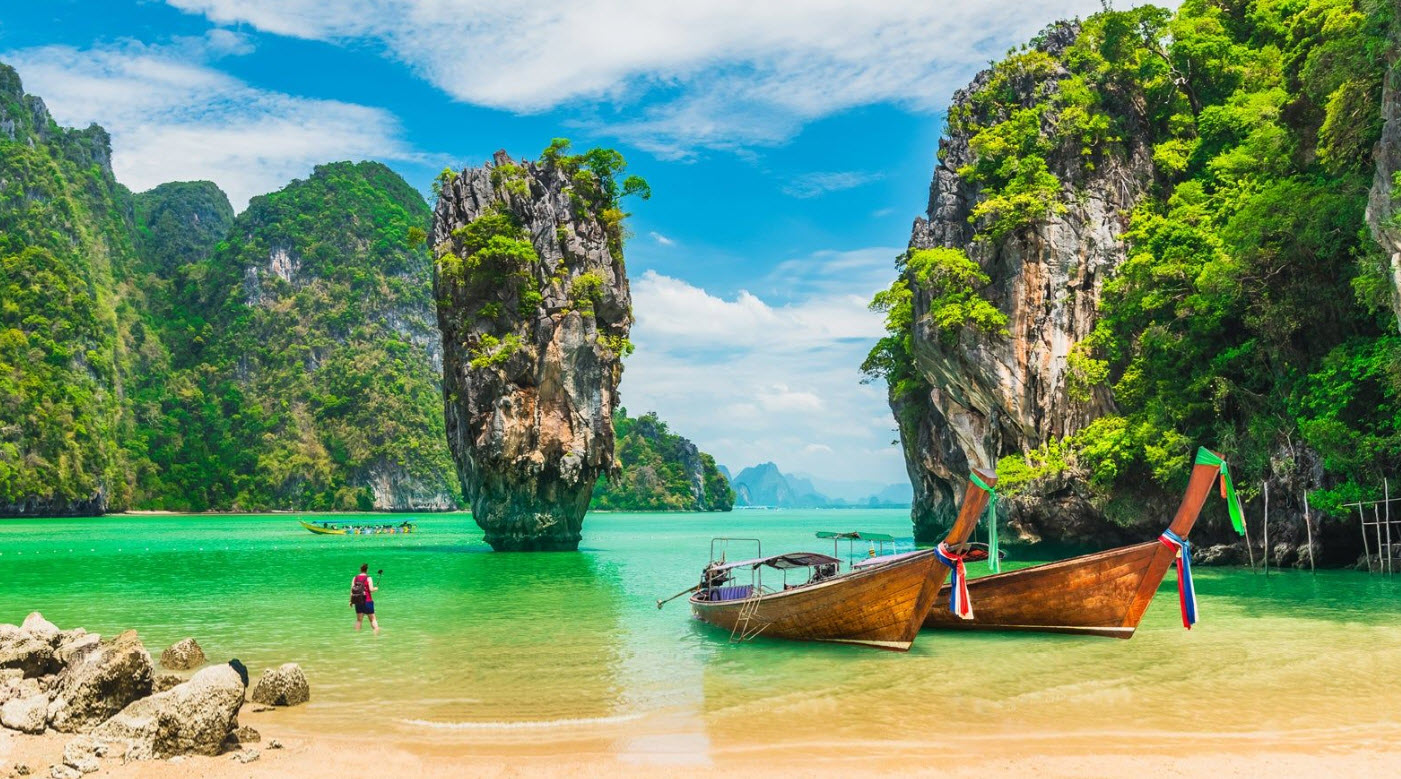
Located in Phang Nga Bay, Khao Phing Kan became internationally famous after appearing in the James Bond film *The Man with the Golden Gun*. Its dramatic limestone formations are genuinely impressive, but organised boat tours can bring substantial numbers of visitors to the area. The experience may feel rushed during busy periods.
Choose a smaller-group tour and explore additional locations around the bay.
17. Stonehenge, England
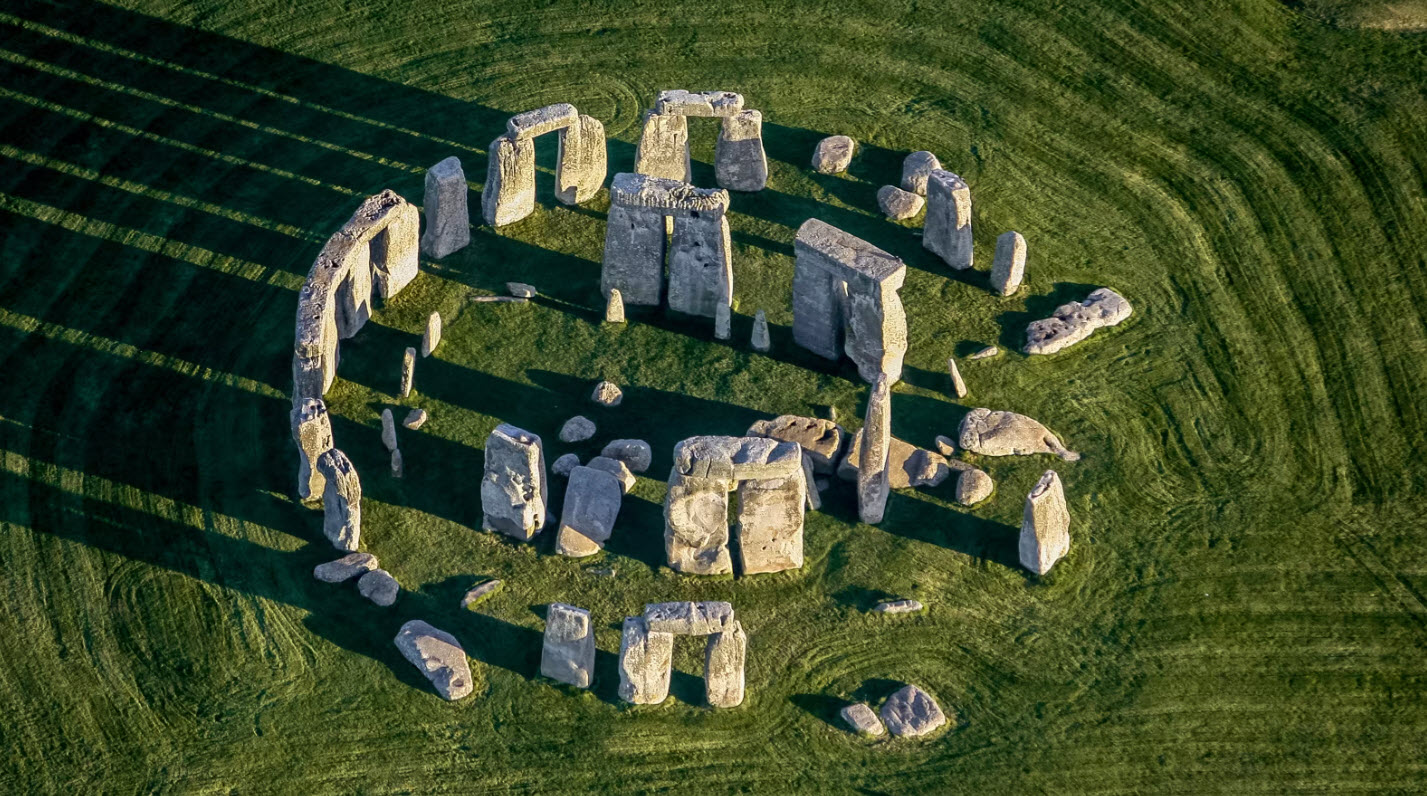
Stonehenge is one of the world's most famous prehistoric monuments, attracting visitors interested in ancient history and archaeology. Its mysterious stone circle is fascinating, but visitors generally view it from a designated route rather than freely exploring the stones.
The surrounding landscape and visitor exhibition add context, although the admission cost may not suit every budget. Research its history beforehand to appreciate the experience more fully.
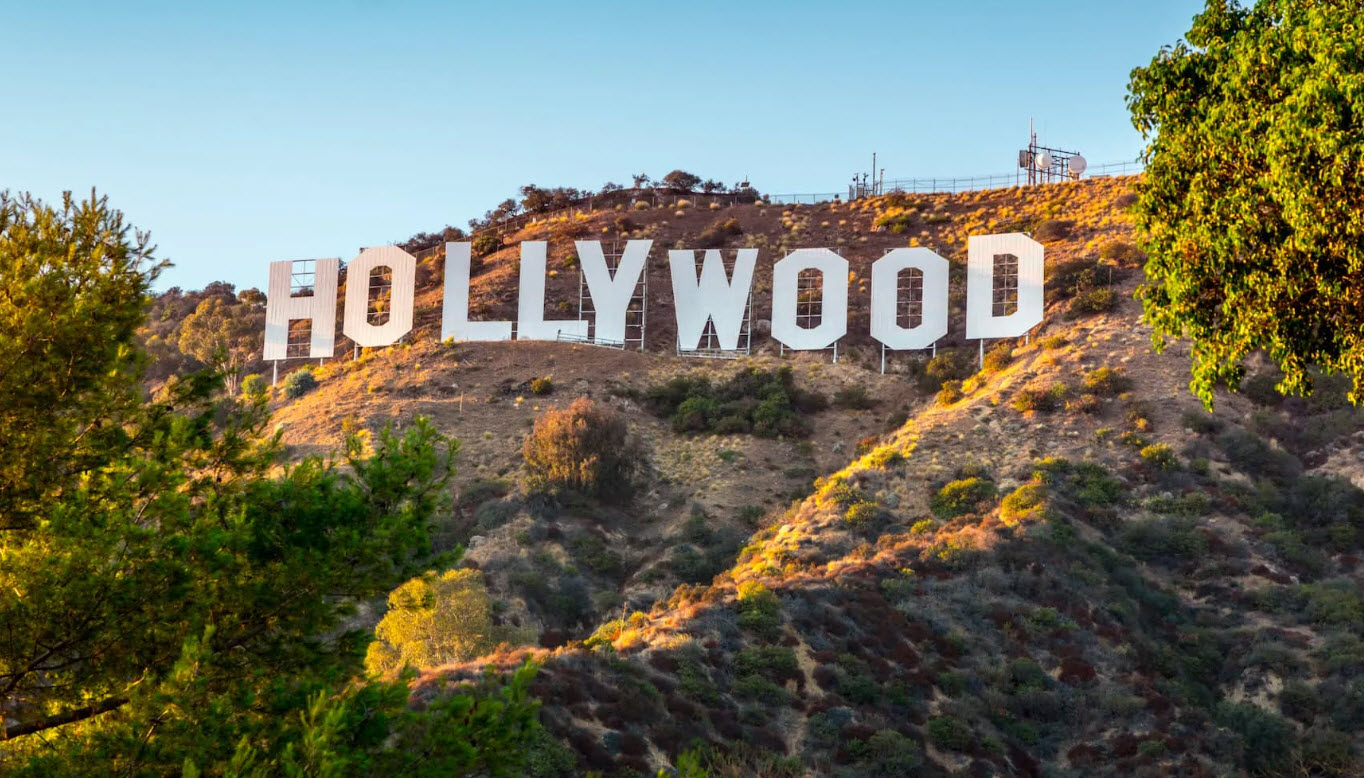
18. The Hollywood Sign Viewpoints, USA
The Hollywood Sign is an internationally recognised symbol of Los Angeles. However, travellers expecting to stand directly beneath the letters or enjoy unrestricted access may be disappointed. Access to the sign itself is restricted, and some viewpoints require a considerable uphill walk.
Instead, explore permitted hiking routes in Griffith Park or visit the Griffith Observatory for excellent views of the landmark and city.
Final Thoughts
Famous tourist attractions are not necessarily overrated simply because they attract large crowds. Many have genuine historical, cultural, architectural, or geographical importance. However, the experience of visiting them may not always match the expectations created by travel advertisements and social media.
The best approach is to travel with realistic expectations, research destinations carefully, and leave room for unexpected discoveries. Sometimes, a quiet street, a small local restaurant, or an overlooked viewpoint can become the most memorable part of an international holiday.
Ultimately, the best travel experiences are not about ticking off every famous landmark. They are about discovering places that genuinely interest you.
Comments
Comments are closed.