ENG

 Edward Sinclair
22 Tourist Traps to Avoid on Your Next International Trip
Travelling internationally is an exciting opportunity to discover new cultures, explore iconic landmarks, taste unfamiliar cuisines, and create unforgettable memories. However, not every popular attraction or travel experience offers the value it promises. Some destinations are surrounded by overpriced restaurants, misleading tour operators, aggressive street vendors, unofficial ticket sellers, and tourist-focused businesses that can quickly drain your travel budget.
From expensive gondola rides in Venice to misleading tuk-tuk tours in Bangkok, tourist traps exist in almost every major travel destination. While these places are not necessarily worth avoiding altogether, knowing what to watch out for can help you enjoy a destination without unnecessary expenses or unpleasant surprises.
Here are 22 tourist traps to avoid on your next international trip, along with smarter alternatives for making the most of your holiday.
- Overpriced Gondola Rides in Venice, Italy
- Unofficial Eiffel Tower Ticket Sellers, Paris
- Tuk-Tuk Shopping Tours in Bangkok, Thailand
- Unlicensed Tourist Guides in Marrakech, Morocco
- Overpriced Restaurants Around the Colosseum, Rome
- Fake Gemstone Shopping Stops in Bangkok
- Unofficial Airport Taxis in Bali, Indonesia
- Unauthorised Currency Exchange Counters in Bali
- Camel Ride Pressure Around the Pyramids, Egypt
- Fake Statue of Liberty Tour Sellers, New York
- Overpriced Souvenir Shops in Times Square, New York
- Costumed Street Performers in Times Square
- Inflated Taxi Fares in Istanbul, Türkiye
- Expensive Carpet Shopping in Istanbul
- Commission-Based Shopping Tours in Thailand
- Fake Tourist Guides in Cairo
- Overpriced Beach Equipment Rentals
- Jet Ski Damage Deposit Scams in Thailand
- Misleading Desert Safari Packages in Dubai
- Tourist-Trap Restaurants in Paris
- Unofficial Colosseum Ticket Resellers in Rome
- Fake Online Holiday Packages
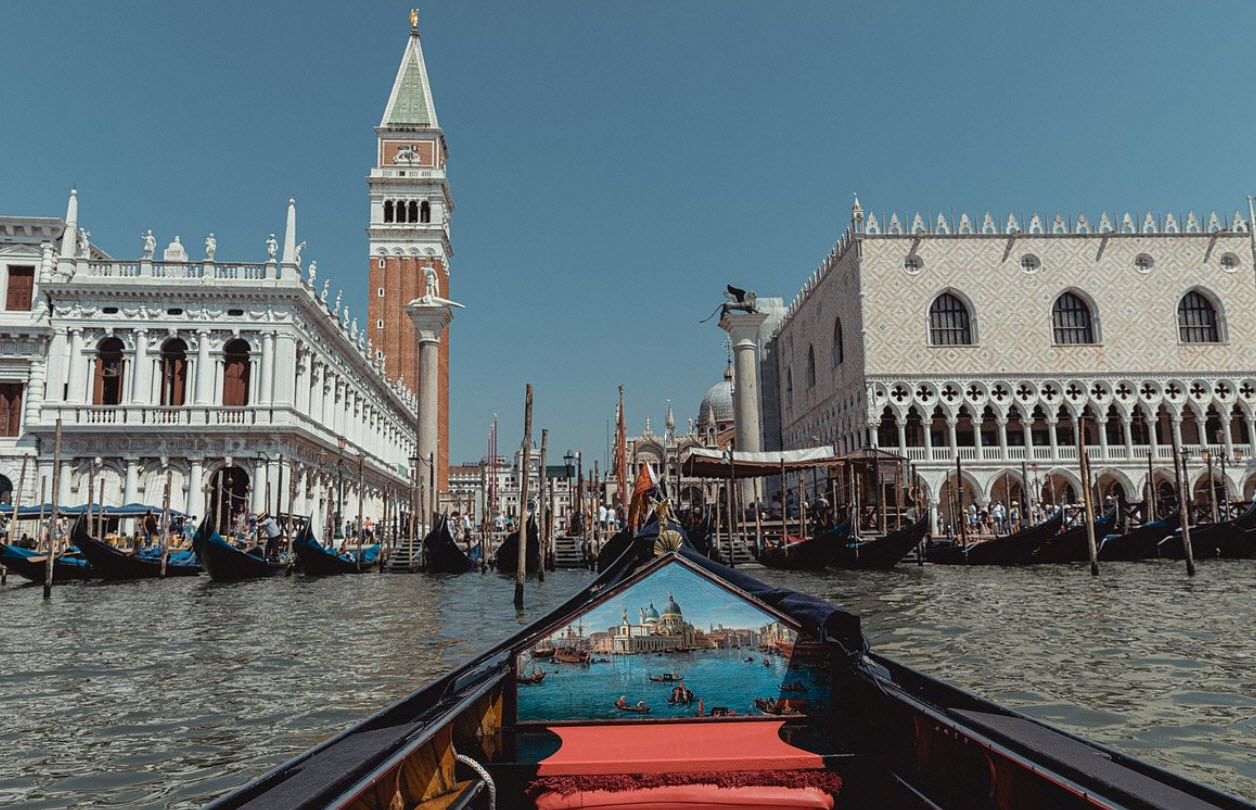
1. Overpriced Gondola Rides in Venice, Italy
Venice's romantic canals are among Europe's most photographed attractions. However, gondola rides can be expensive, particularly when travellers misunderstand the official fare structure. Agree on the duration and price before boarding, and consider a public vaporetto ride for beautiful canal views.
2. Unofficial Eiffel Tower Ticket Sellers, Paris
The Eiffel Tower is a must-see Paris landmark, but fraudulent ticket websites and unauthorised sellers can leave visitors with invalid tickets. Purchase admission through the monument's official website rather than clicking suspicious advertisements or accepting street offers.

3. Tuk-Tuk Shopping Tours in Bangkok, Thailand
Some Bangkok tuk-tuk drivers advertise incredibly cheap sightseeing tours but make unexpected stops at jewellery stores and tailor shops where they earn commissions. Agree on your route beforehand and use licensed, metered taxis or reputable transport apps.

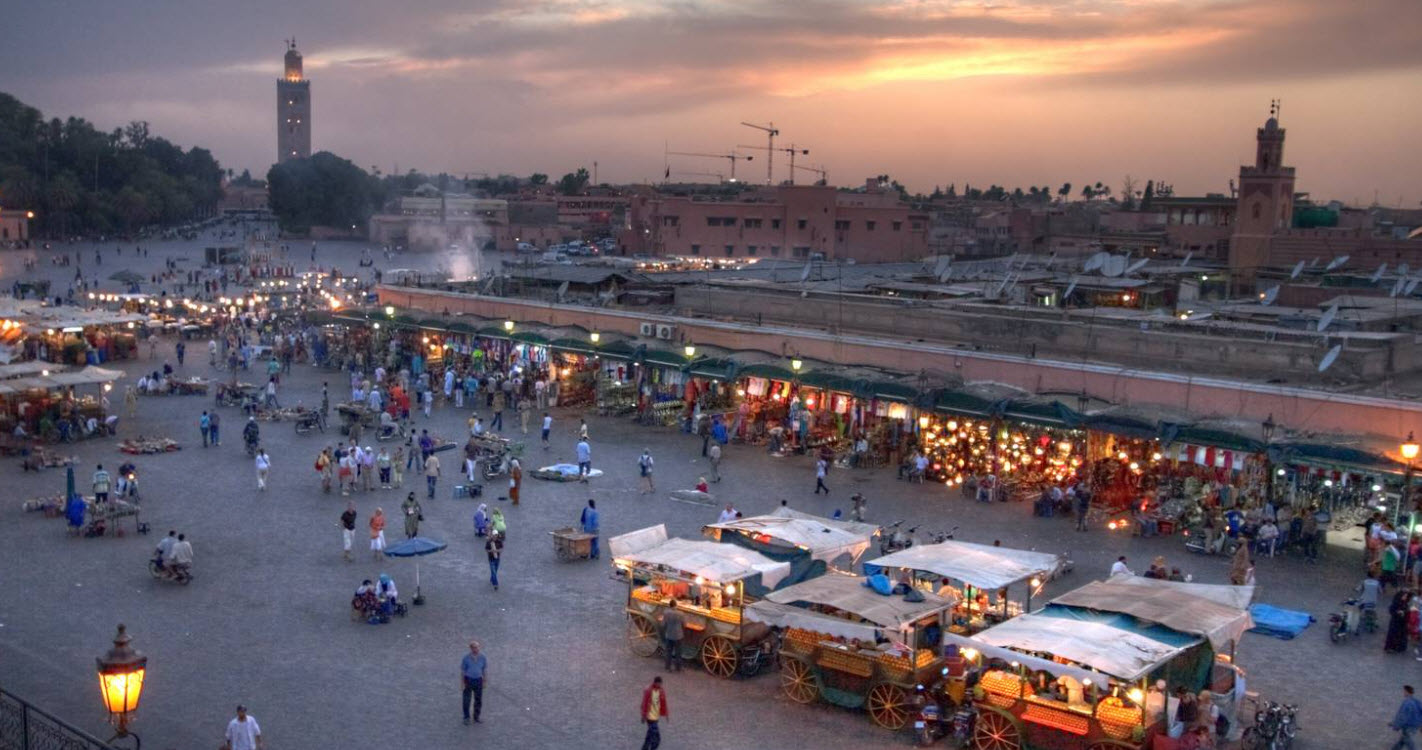
4. Unlicensed Tourist Guides in Marrakech, Morocco
Exploring Marrakech's historic medina is fascinating, but unofficial guides may approach visitors offering directions or tours before demanding payment. Choose guides authorised by local authorities and agree on the service and price before starting.
5. Overpriced Restaurants Around the Colosseum, Rome
Restaurants immediately surrounding Rome's most famous ancient monument often target visitors with convenient locations and tourist-oriented menus. Walk a few streets away, compare menus, and check prices before sitting down.

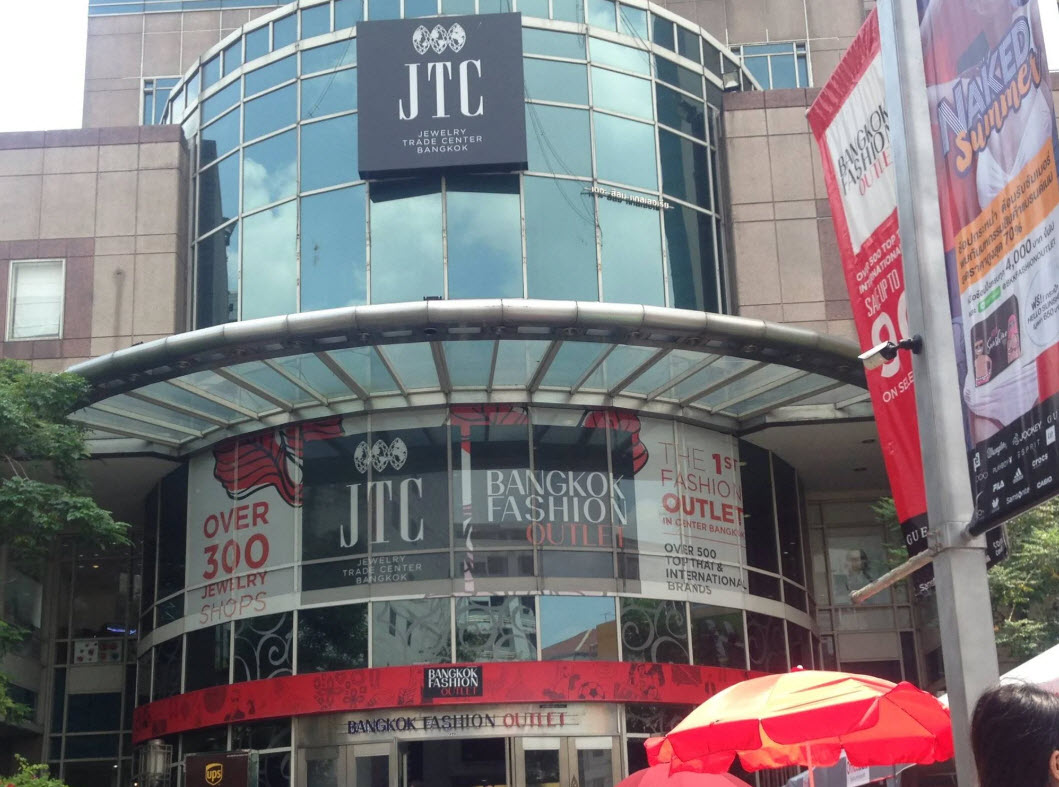
6. Fake Gemstone Shopping Stops in Bangkok
Thailand is famous for its jewellery industry, but unsolicited gemstone shopping recommendations from strangers or drivers deserve caution. Avoid pressure-based purchases, request independent certification, and research reputable jewellery retailers.
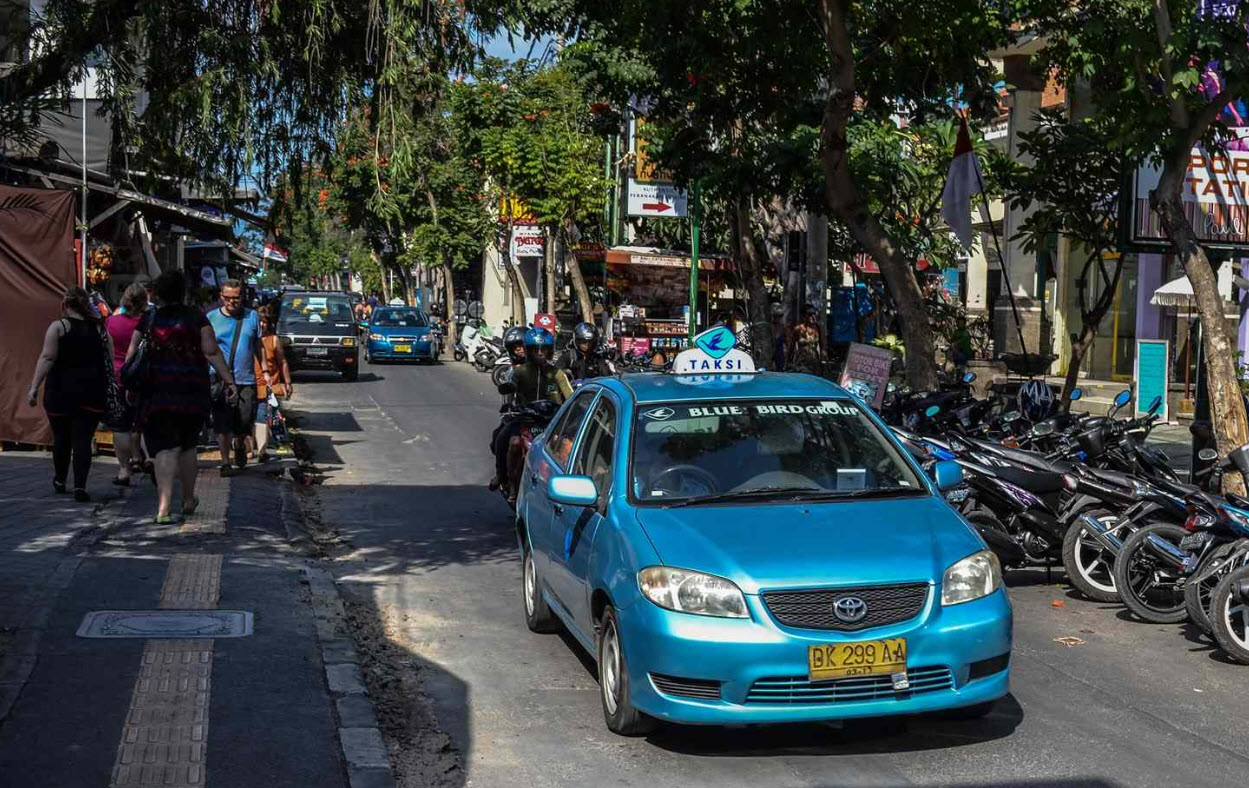
7. Unofficial Airport Taxis in Bali, Indonesia
Arriving in Bali can be overwhelming, especially when drivers approach travellers inside terminals offering immediate transportation. Unregistered drivers may overcharge or create safety concerns. Arrange transfers through your accommodation or use reputable ride-hailing services.
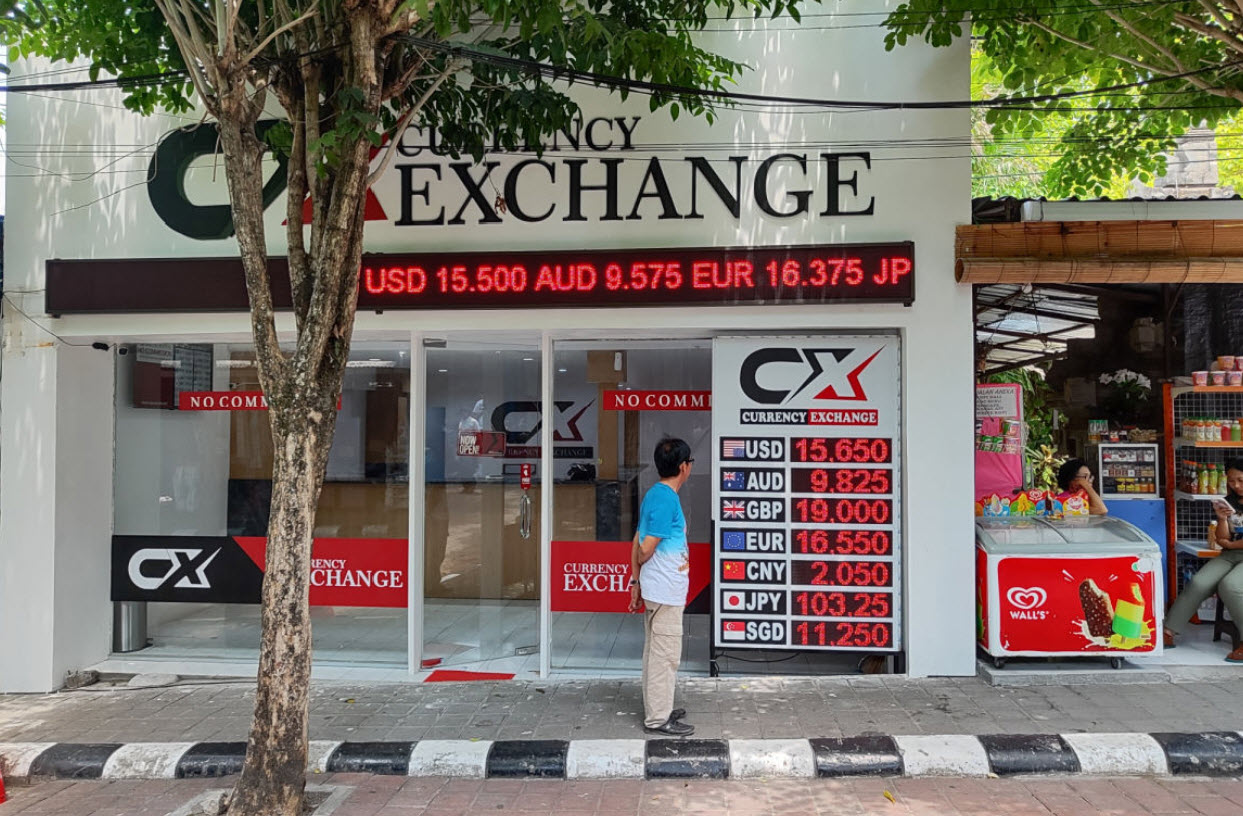
8. Unauthorised Currency Exchange Counters in Bali
Currency exchange booths advertising attractive rates can sometimes use misleading calculations or short-changing practices. Exchange money only through authorised providers, check the amount carefully, and avoid handing over cash before confirming the transaction.
9. Camel Ride Pressure Around the Pyramids, Egypt
The Giza Pyramids attract visitors from across the world, but travellers may encounter persistent sellers offering camel rides and photographs. Confirm the complete price, duration, and return arrangements before accepting any service.

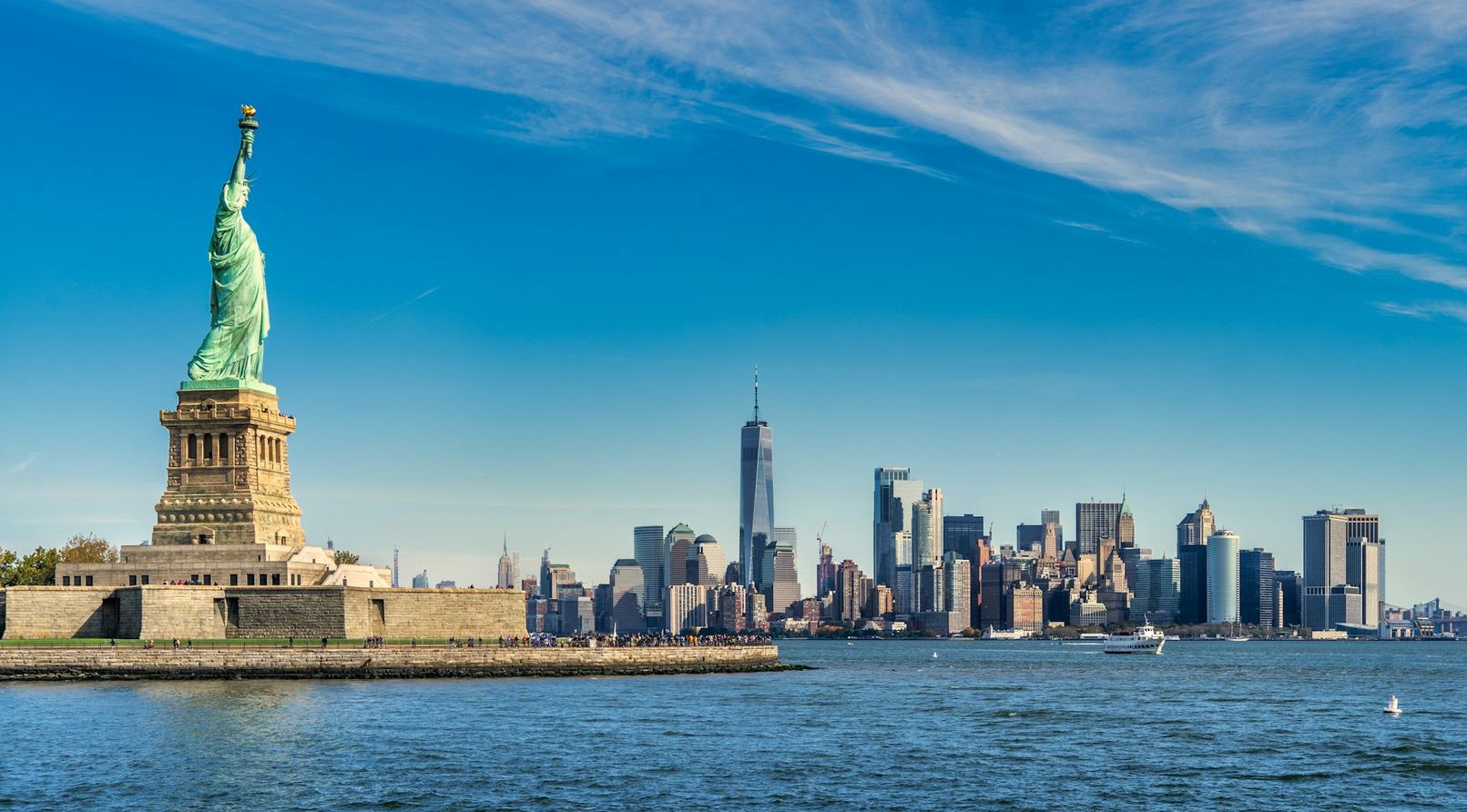
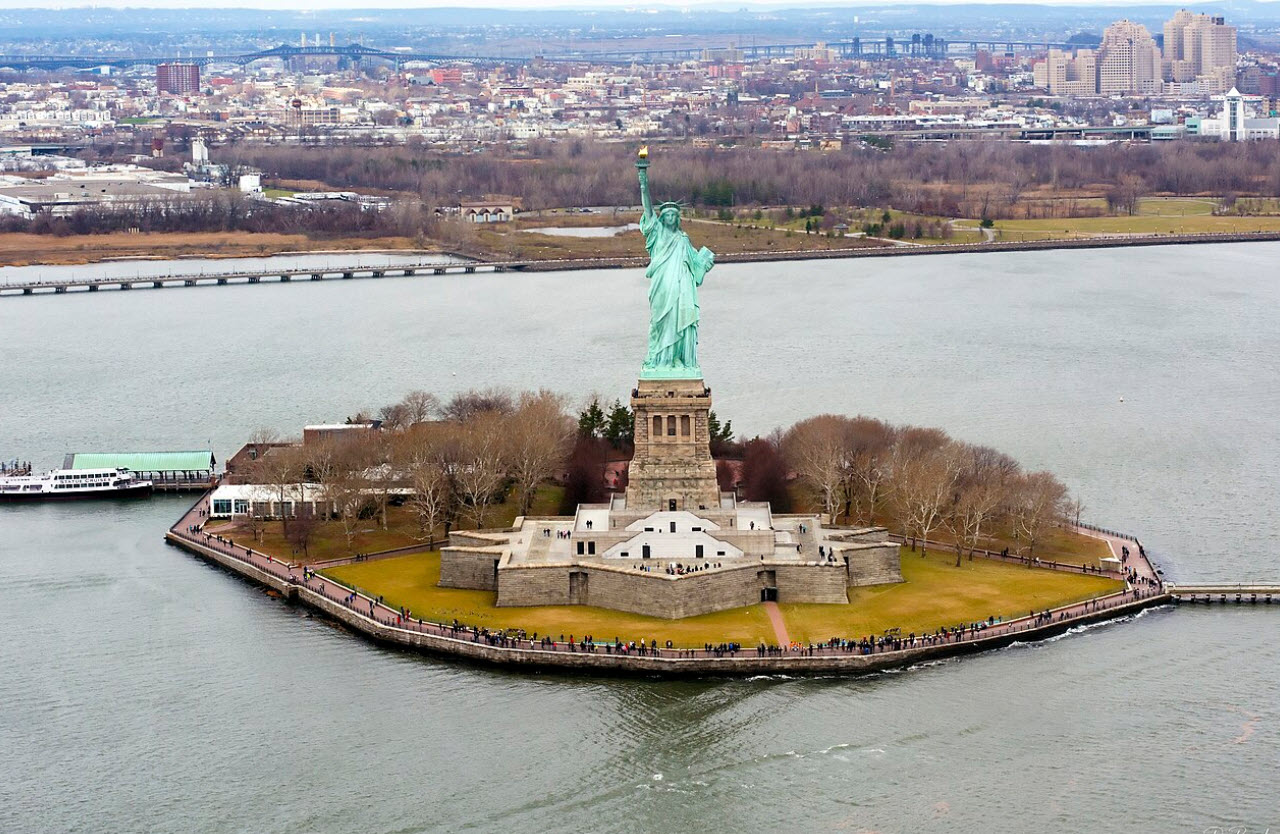
10. Fake Statue of Liberty Tour Sellers, New York
Near Battery Park, unofficial sellers may approach visitors with misleading claims about ferry tickets or sightseeing packages. Book Liberty Island visits through authorised operators. Remember that the Staten Island Ferry is free but does not stop at Liberty Island.
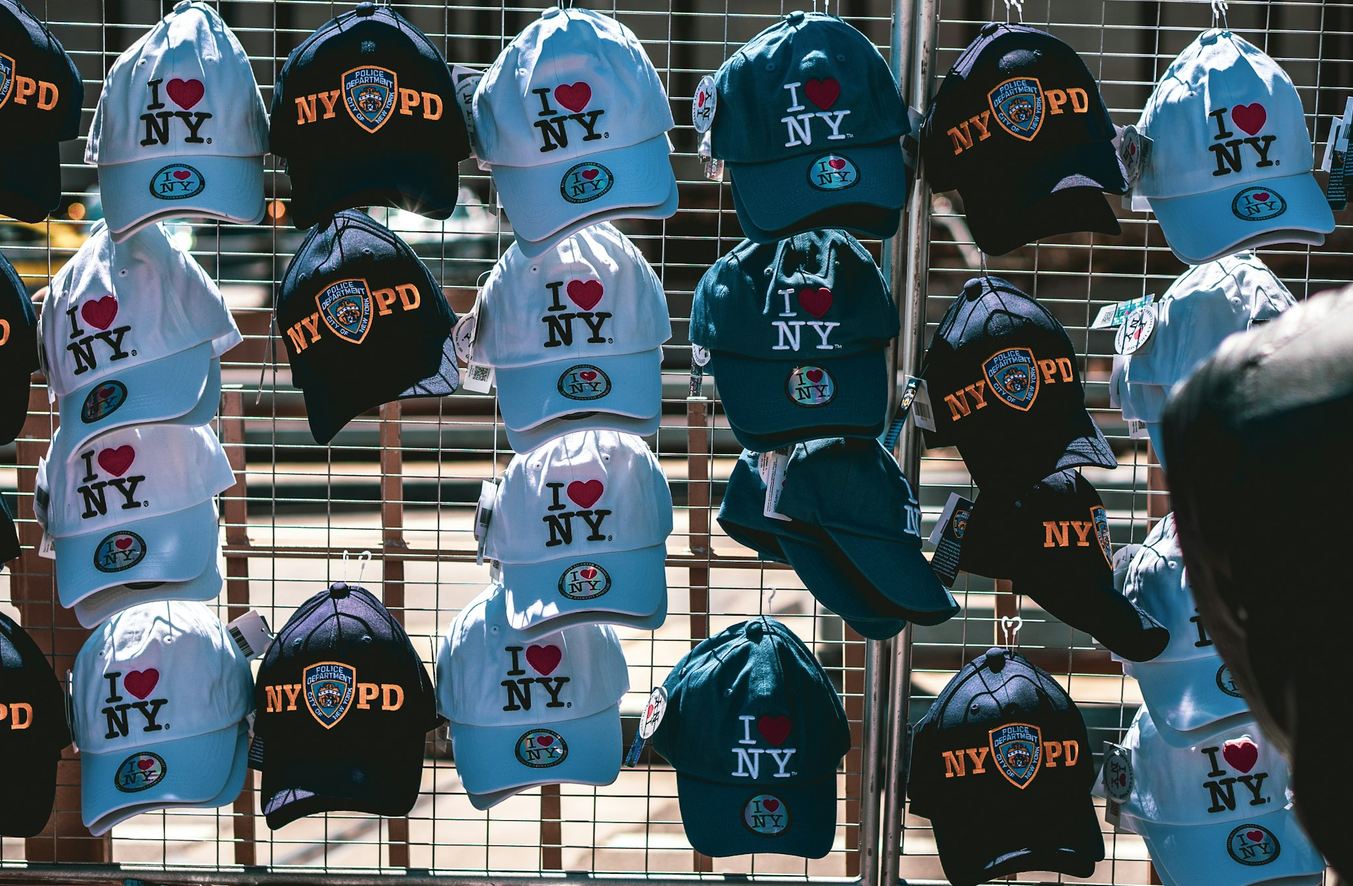
11. Overpriced Souvenir Shops in Times Square, New York
Times Square is packed with souvenir stores selling everything from T-shirts to miniature landmarks. Prices can be considerably higher than those at less central shops. Compare products and explore neighbourhood stores before purchasing.

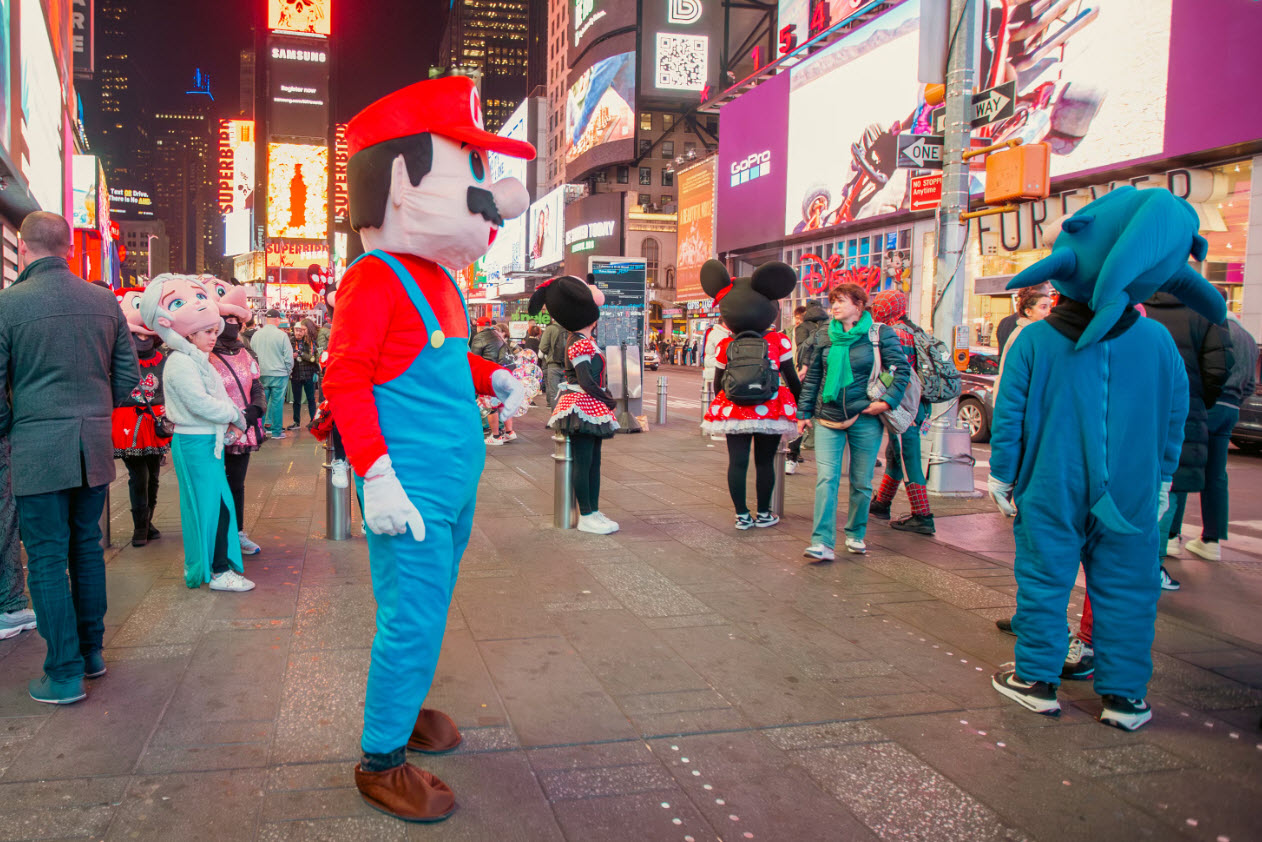
12. Costumed Street Performers in Times Square
Photographs with costumed characters may seem like a fun holiday activity, but some performers expect payment and can become persistent. Ask about the price before taking pictures, or simply enjoy the entertainment without participating.
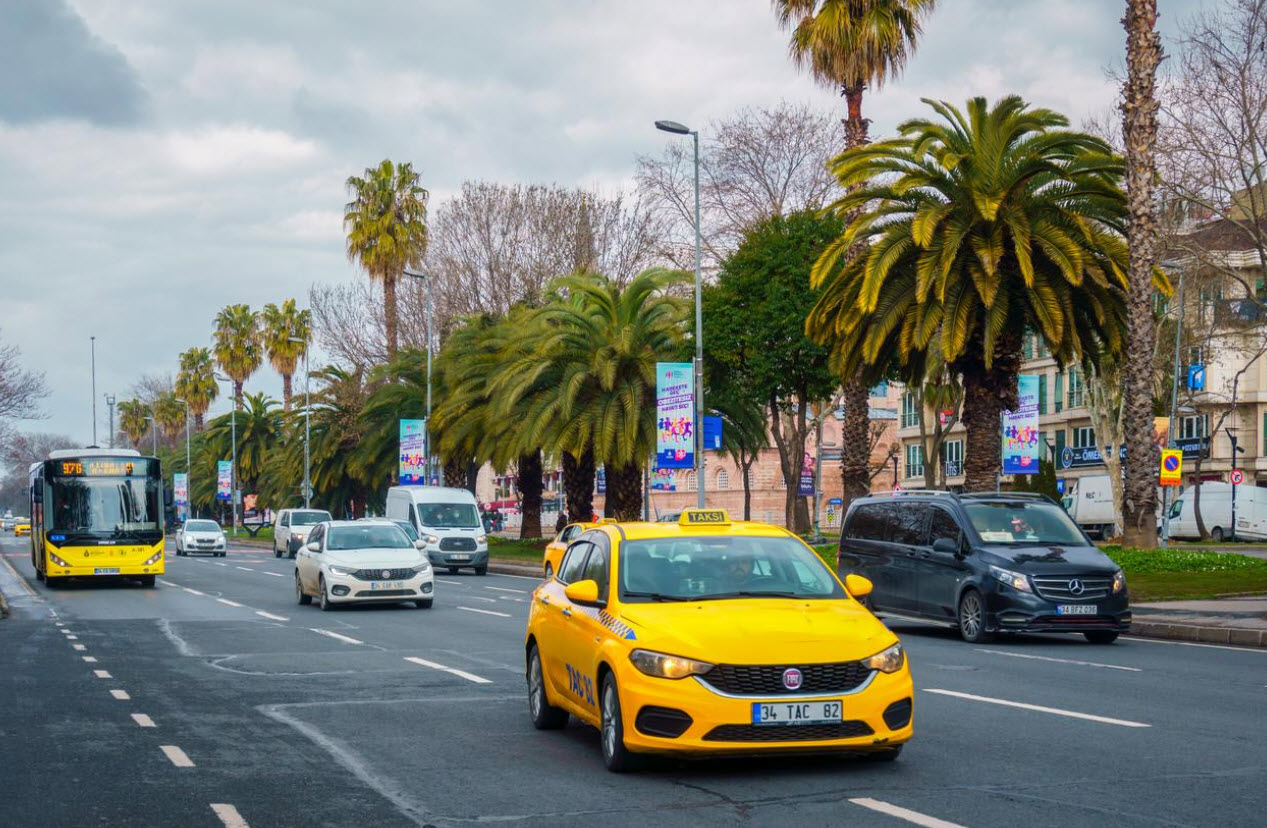
13. Inflated Taxi Fares in Istanbul, Türkiye
Visitors in Istanbul sometimes encounter taxi drivers who refuse to use meters, take unnecessarily long routes, or demand inflated fares. Use reputable transport apps, confirm the meter is running, and check your journey on a navigation application.
14. Expensive Carpet Shopping in Istanbul
Traditional Turkish carpets are beautiful cultural products, but aggressive sales tactics and misleading product descriptions can make shopping uncomfortable. Research reputable dealers, compare prices, and request written details about materials and authenticity.

15. Commission-Based Shopping Tours in Thailand
A friendly driver offering an inexpensive city tour might take you to multiple shops instead of the attractions you requested. These arrangements can involve commissions and unnecessary purchases. Choose independent guides and confirm every planned stop.

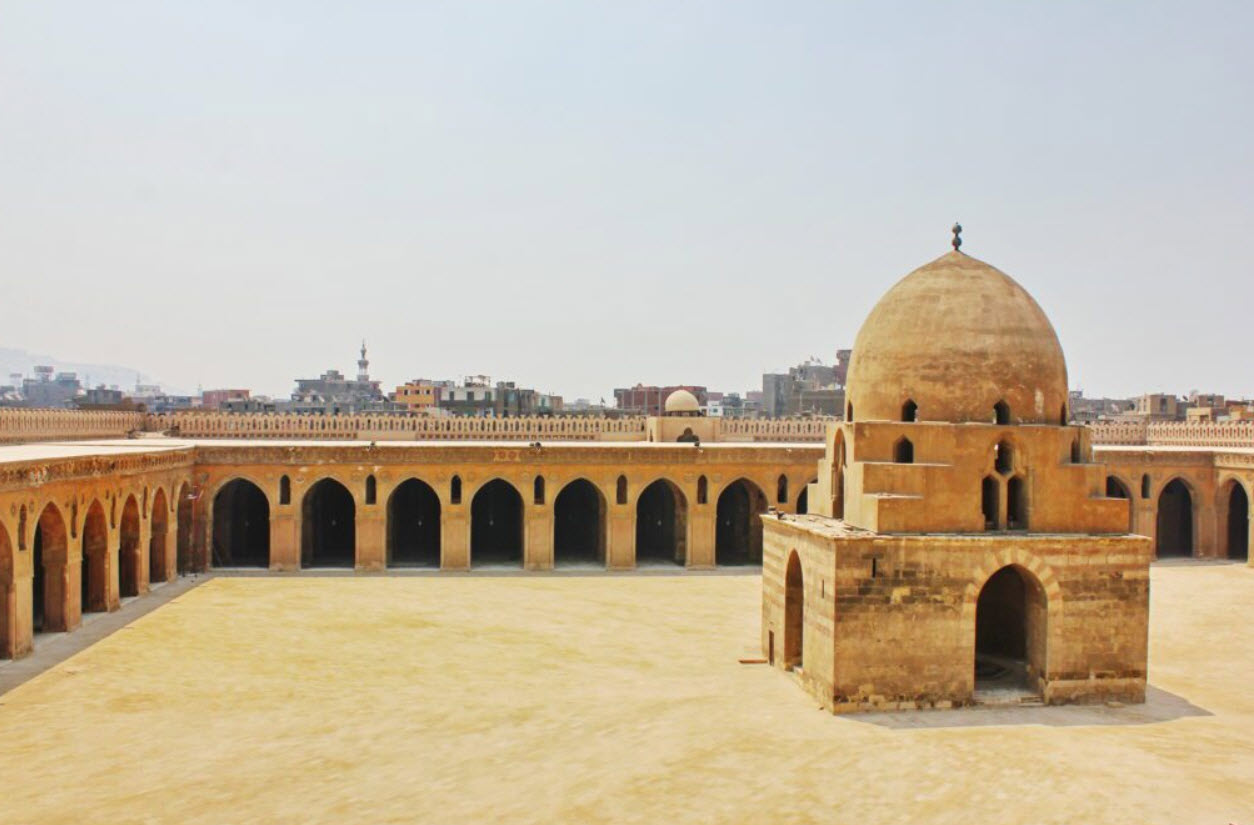
16. Fake Tourist Guides in Cairo
Around major Egyptian attractions, individuals may introduce themselves as official guides without proper authorisation. Book excursions through established operators and verify a guide's credentials before paying.
17. Overpriced Beach Equipment Rentals
Popular beaches in international destinations may have privately operated sunbed, umbrella, and water-sports rental services. Clarify whether charges apply per person, per item, or per hour before settling in.

18. Jet Ski Damage Deposit Scams in Thailand
Some vehicle and water-sports rental operators have disputed damage claims and demanded additional payments from tourists. Photograph existing scratches, inspect equipment carefully, understand insurance conditions, and never leave your passport as security.

19. Misleading Desert Safari Packages in Dubai
Dubai's desert experiences can be memorable, but exceptionally cheap packages may involve unclear inclusions or questionable safety arrangements. Check the operator's reputation, vehicle standards, insurance coverage, and whether activities such as quad biking cost extra.

20. Tourist-Trap Restaurants in Paris
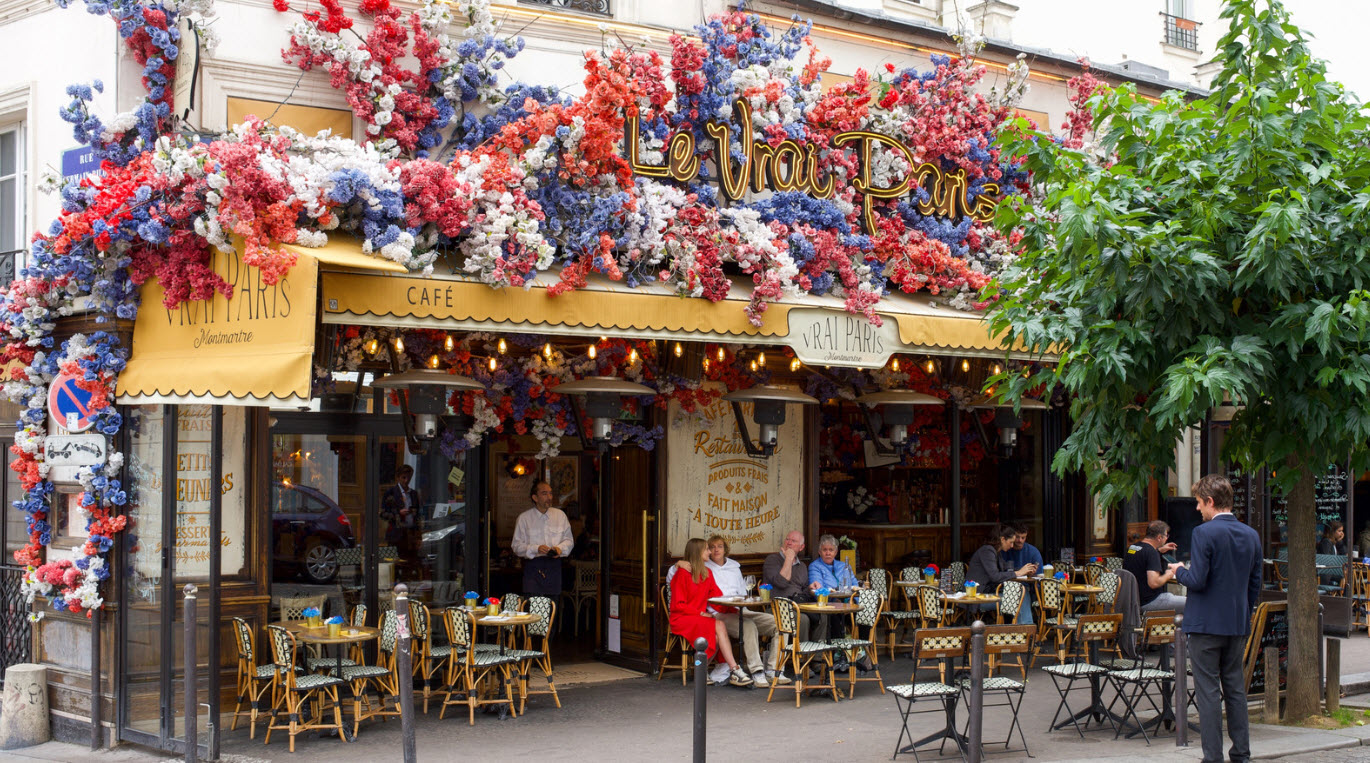
Restaurants around major landmarks and busy shopping streets may prioritise visitor turnover over quality and value. Avoid establishments with unclear menus, aggressive street promoters, or prices that are not displayed transparently.
21. Unofficial Colosseum Ticket Resellers in Rome
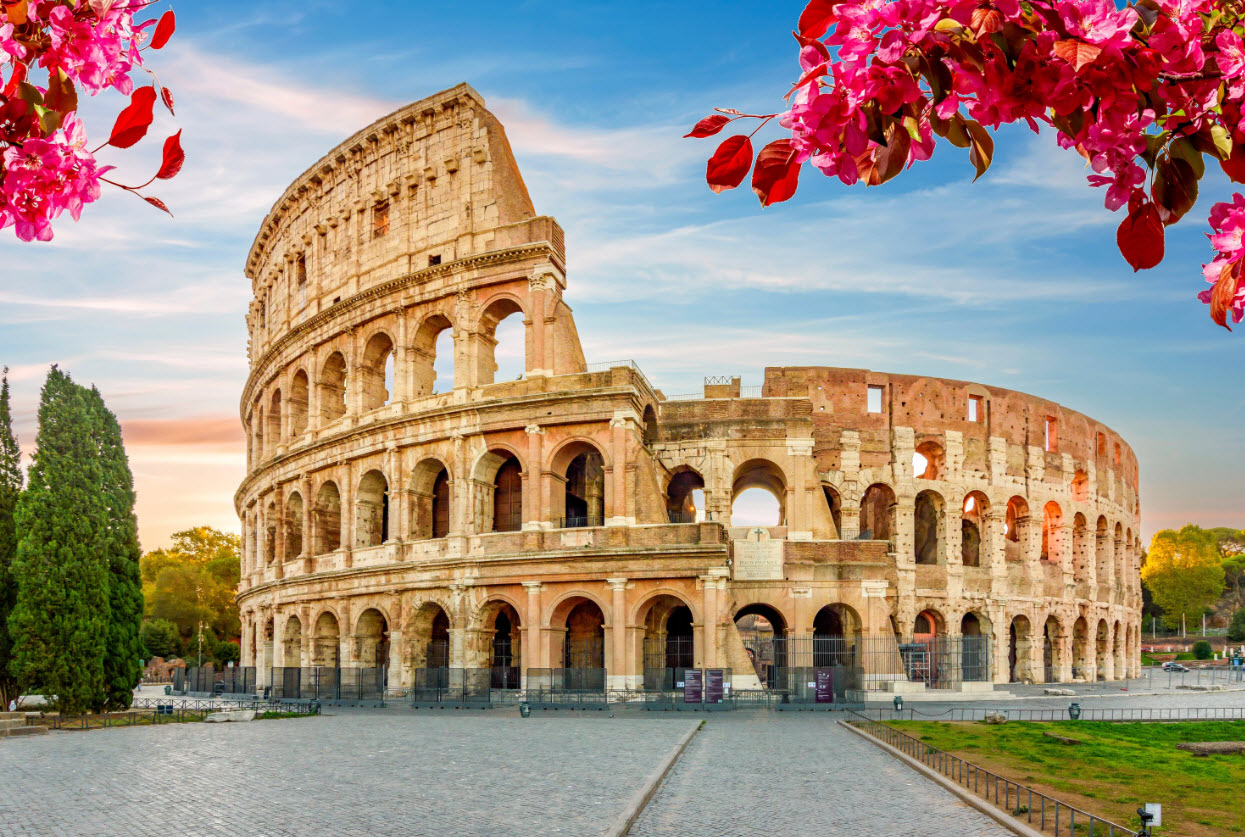
The Colosseum requires advance planning, and unofficial ticket sellers may offer expensive packages or misleading promises. Use the official archaeological park ticketing website and check whether guided tours or additional services are genuinely necessary.
22. Fake Online Holiday Packages
Not all tourist traps are found on streets. Fraudulent travel websites and social media advertisements can promote attractive hotel deals, flights, and international holiday packages. Verify the company, contact the hotel directly, read cancellation conditions, and avoid rushed payments.

Final Thoughts
Tourist traps should not discourage you from exploring the world's most famous destinations. Venice, Paris, Bangkok, Rome, Istanbul, and countless other cities still offer extraordinary experiences worth discovering.
The secret to travelling smarter is knowing the difference between a genuinely valuable experience and a service designed primarily to extract money from unsuspecting visitors. Plan ahead, compare prices, choose reputable operators, and leave room for spontaneous discoveries.
Your next international holiday should be remembered for its incredible destinations, cultural experiences, and memorable adventures—not unnecessary expenses and disappointing purchases.
Comments
Comments are closed.