ENG
ENG

 David
David Top 20 Most Affordable Cities in the World 2026
In 2026, a handful of cities around the world still offer exceptionally low‑cost urban living without sacrificing basic comforts. From the bustling metropolises of South Asia and Africa to the vibrant capitals of Latin America and Southeast Asia, these 20 cities stand out for their affordable rents, cheap groceries, inexpensive public transport, and low‑cost everyday utilities.
This list highlights places where a modest income can stretch much further, making them attractive for budget‑conscious residents, digital nomads, and travelers who want to live well without paying premium‑city prices.
Across this list, most cities are in Asia, Africa, and Latin America, where currencies trade at relatively low values against the US dollar and local wages are still modest. This keeps housing, food, and transport deeply inexpensive for both locals and foreign residents on international salaries, especially compared with Western hubs.
- Karachi, Pakistan
- Lahore, Pakistan
- Dhaka, Bangladesh
- Kathmandu, Nepal
- Mumbai, India
- Gurgaon (Gurugram), India
- Bandung, Indonesia
- Da Nang, Vietnam
- Cairo / Giza / Alexandria, Egypt
- Tunis, Tunisia
- Changsha, China
- Fortaleza, Brazil
- Quito, Ecuador
- Penang (George Town), Malaysia
- Jakarta or other Indonesian cities
- Hanoi or Ho Chi Minh City, Vietnam
- Kigali, Rwanda
- Kharkiv, Ukraine
- Tehran, Iran
- La Paz or similar Bolivian cities
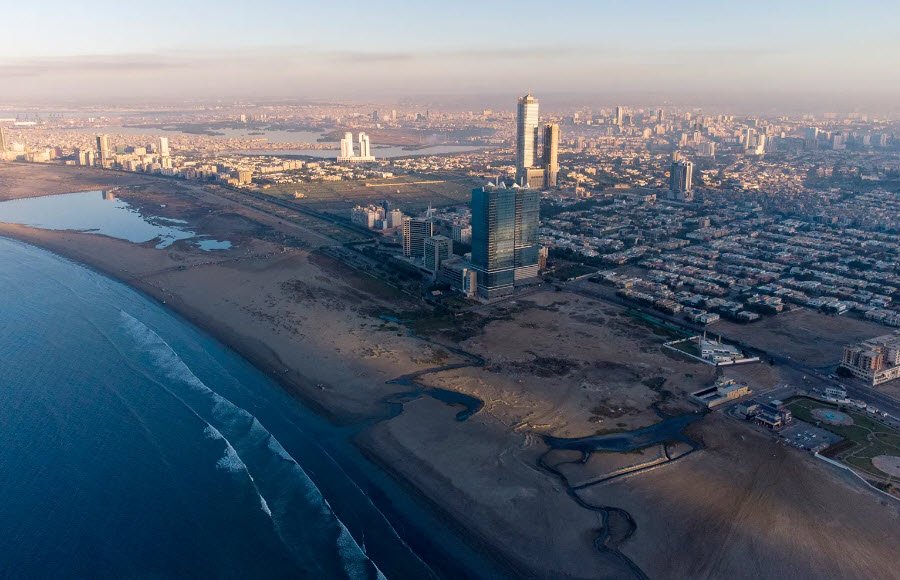
1. Karachi, Pakistan
Karachi is one of the cheapest major cities in the world, with very low rent in most residential areas and inexpensive local food, including street fare and small restaurants. Public buses, rickshaws, and ride‑hailing keep transport costs low, while groceries at local markets are among the most affordable in South Asia.
Power and water bills are modest, though service quality can be inconsistent.
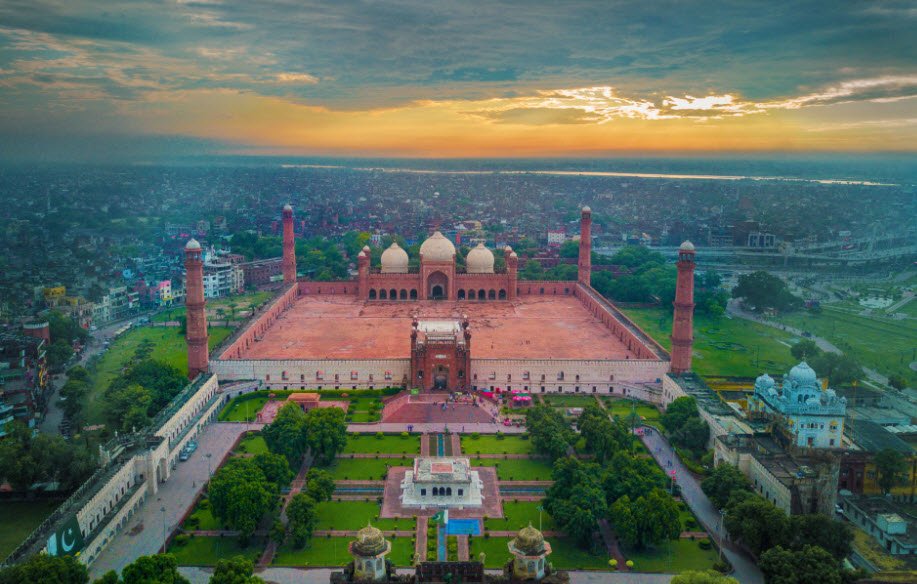
2. Lahore, Pakistan
Lahore offers an extremely low cost of living in its standard neighborhoods, with cheap housing, low‑cost local restaurants, and inexpensive groceries from bazaars. Public transport (buses, wagons, and ride‑hailing) is very affordable, and utilities are relatively cheap compared to Western cities.
Higher‑end suburbs and branded groceries can push costs up, but day‑to‑day life remains inexpensive for most residents.
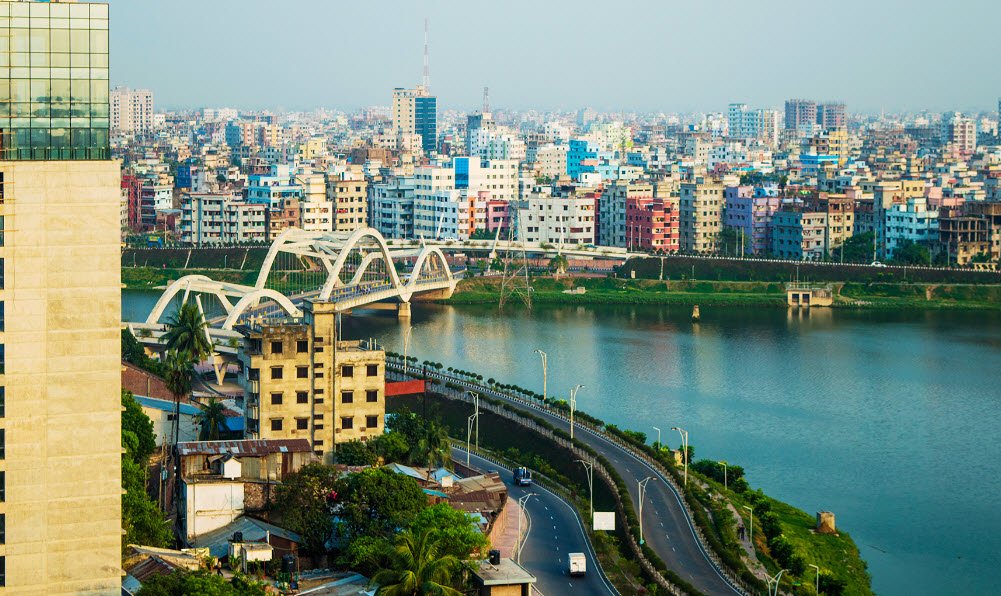
3. Dhaka, Bangladesh
Dhaka is one of the lowest‑cost capital cities globally, with very low rents outside premium enclaves and dirt‑cheap food at local stalls and small eateries. Public transport is highly affordable, with buses, rickshaws, and CNGs keeping mobility costs minimal.
Groceries from local markets are inexpensive, though imported goods and some utilities can be pricier for expats.
4. Kathmandu, Nepal
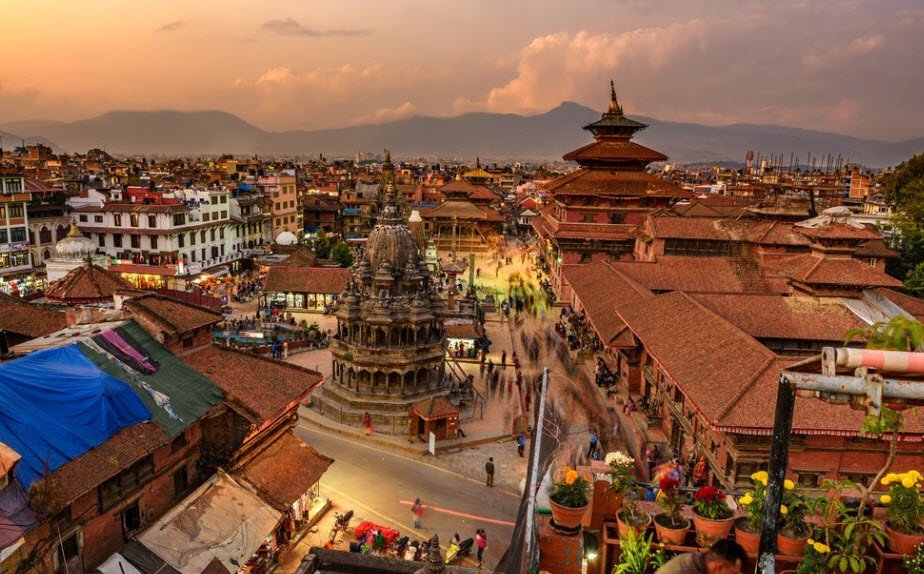
Kathmandu is a low‑cost Himalayan capital where rent, local food, and basic services are cheap, especially in traditional neighborhoods. Street food, local restaurants, and small‑town‑style groceries keep daily food budgets low.
Public buses and shared taxis are very inexpensive, though fuel hikes and occasional power interruptions can affect utilities.
5. Mumbai, India
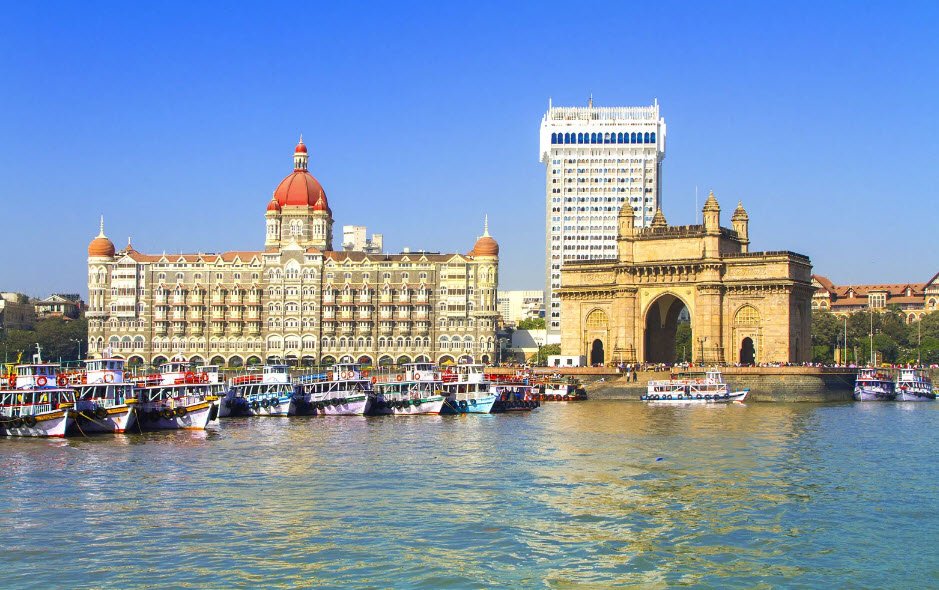
Mumbai is expensive in its prime areas, but by global standards everyday costs are still low: local groceries, street food, and budget meals are very cheap, and public transport (local trains, buses, and budget ride‑hailing) is inexpensive.
Rents vary widely, with high‑end areas costly and shared rooms or cheaper suburbs remaining affordable for many. Utilities and mobile services are also relatively low‑cost.
6. Gurgaon (Gurugram), India
Gurgaon is a satellite city of Delhi with a mix of high‑end and low‑cost living. For those on international salaries, rents in mid‑range and suburban areas feel low compared with Western cities, while groceries from local markets and supermarkets and moderately priced restaurants keep food costs down.
Commute costs rise with distance to workplaces, but public buses and metro connections help manage transport expenses.
 India.jpg)
7. Bandung, Indonesia
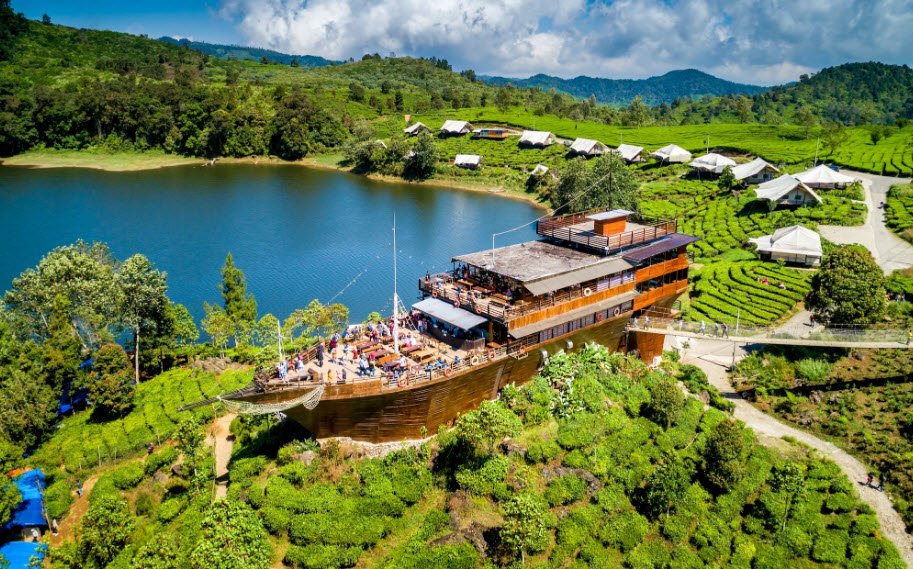
Bandung is one of Indonesia’s most affordable mid‑sized cities, with cheaper housing than Jakarta or Bali and inexpensive local food, including street stalls and small eateries. Local markets offer low‑cost vegetables, fruits, and basic groceries.
Public transport is modestly priced, and utilities are generally affordable, making day‑to‑day life significantly cheaper than in many regional capitals.
8. Da Nang, Vietnam
Da Nang is one of Asia’s most affordable beach‑city lifestyles, with low‑cost housing, cheap local food, and inexpensive public and shared transport options. Groceries from wet markets and small supermarkets are very budget‑friendly, and utilities like electricity and water are low‑cost.
Foreigners often enjoy a comfortable lifestyle on relatively modest monthly incomes.

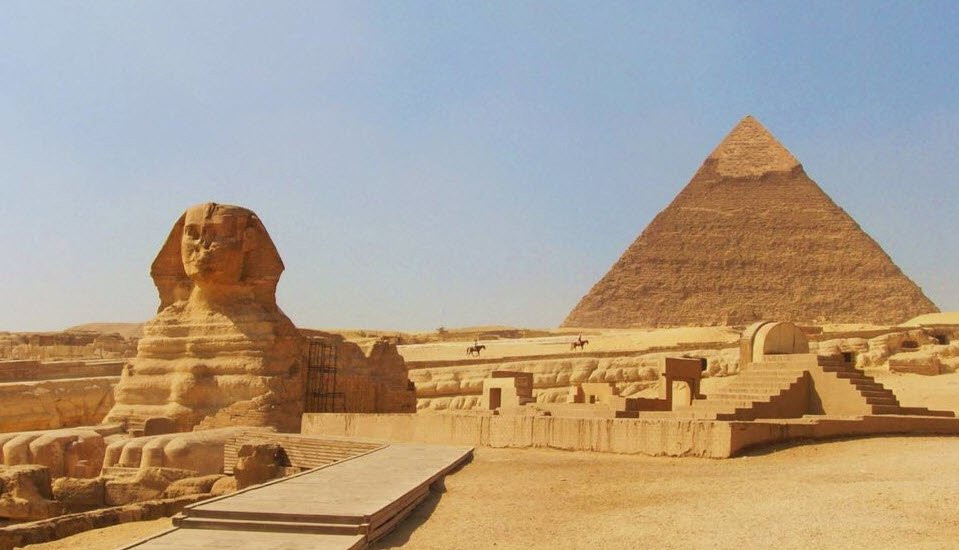
9. Cairo / Giza / Alexandria, Egypt
Cairo, Giza, and Alexandria are consistently ranked among the world’s cheapest capitals for rent and daily living. Housing in many neighborhoods is very cheap, and local bread, vegetables, and street food are extremely inexpensive.
Public transport (buses, metro, and microbuses) is highly affordable, and utility bills are among the lowest globally, though imported goods can be more expensive.
10. Tunis, Tunisia
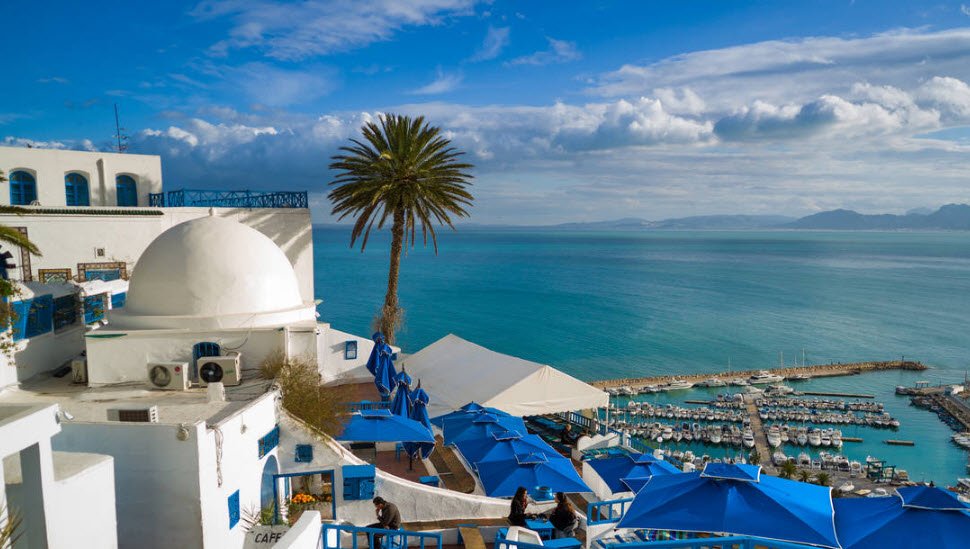
Tunis appears in “cheapest cities” lists due to low‑cost housing, inexpensive local food, and modest public‑transport fares. Groceries from local markets and supermarkets are budget‑friendly, and utilities are relatively cheap.
The city offers a Mediterranean‑style lifestyle at a fraction of the cost of many North African or Western coastal cities.
11. Changsha, China
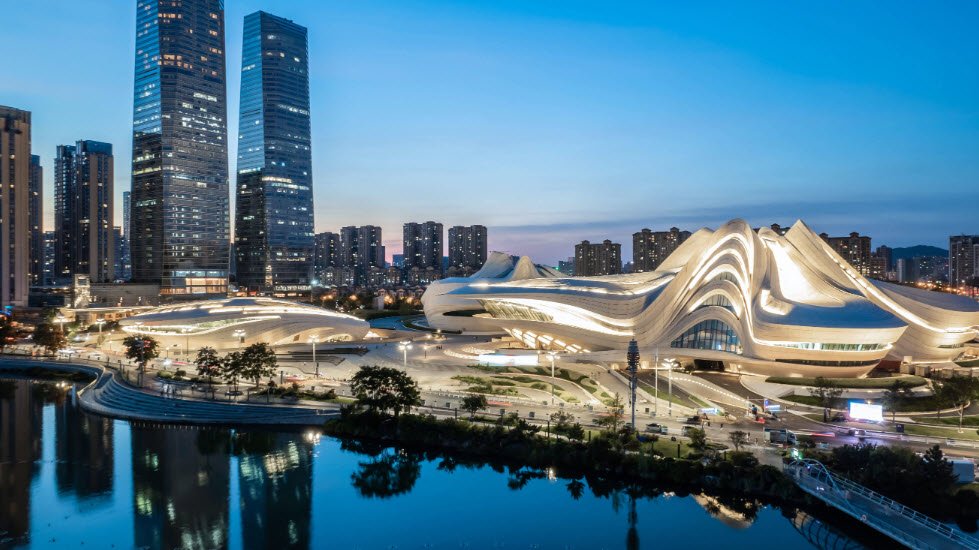
Changsha sits much lower on the cost‑of‑living ladder than Shanghai or Beijing, with cheaper housing in non‑central areas and modest food prices. Local restaurants and street food are inexpensive, and groceries are reasonably priced for Chinese standards.
Public transport is cheap, and utilities are generally affordable, making it one of the more budget‑friendly major Chinese cities.
12. Fortaleza, Brazil
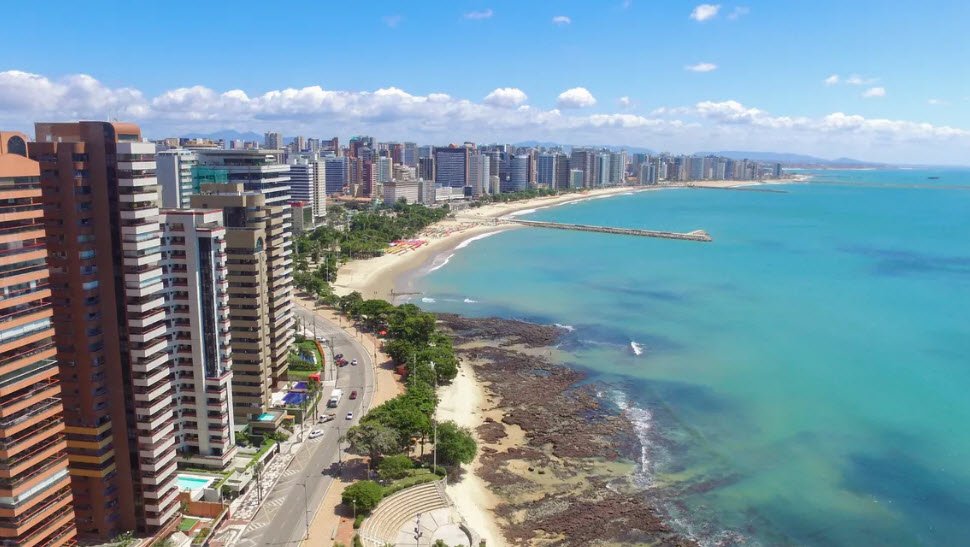
Fortaleza is one of Brazil’s more affordable coastal capitals, with lower rents than São Paulo or Rio and relatively cheap local food. Supermarket prices vary, but basic groceries and local markets are quite budget‑friendly.
Public transport costs are low, though fuel and bus‑fare fluctuations can affect monthly budgets.
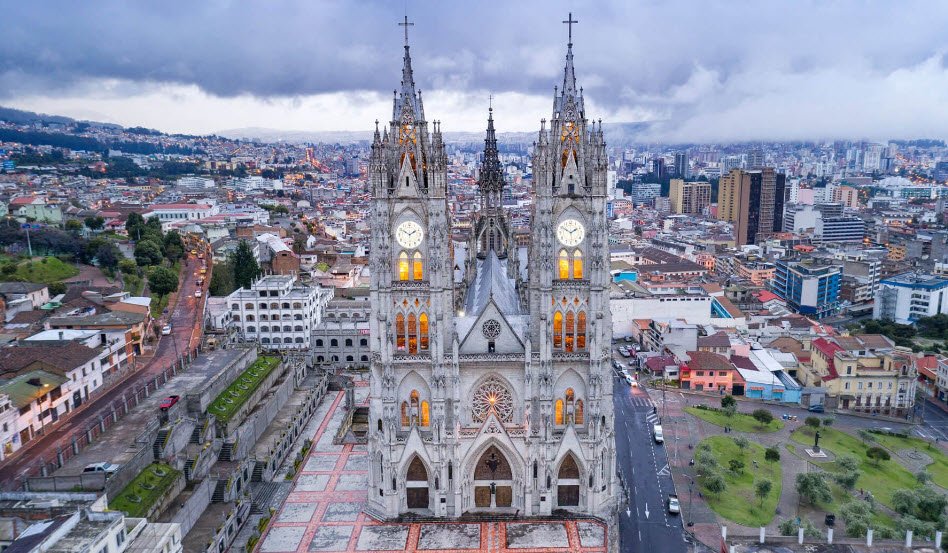
13. Quito, Ecuador
Quito offers low‑cost housing in many neighborhoods and inexpensive local food, especially in traditional markets. Groceries are affordable, and public transport (buses and metro) is very cheap.
Utilities are generally low‑cost, though import‑dependent goods can be pricier, and the city’s altitude may affect some lifestyle choices.
14. Penang (George Town), Malaysia
Penang balances modern amenities with relatively low costs compared with Kuala Lumpur. Housing in many neighborhoods is inexpensive, and local hawker‑style food is extremely cheap and high‑quality.
Local markets offer budget‑friendly groceries, and public transport is modestly priced, making it a popular choice for remote workers and digital nomads.
 Malaysia.jpg)
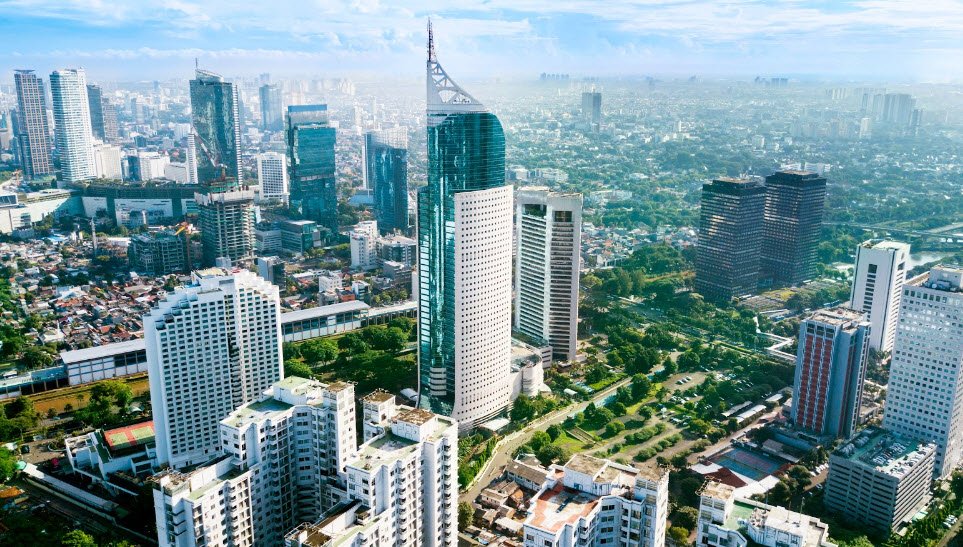
15. Jakarta or other Indonesian cities
Jakarta is one of the world’s larger cities with surprisingly low‑cost everyday living: local food, street meals, and public‑buses/minibuses are very cheap. Groceries from markets and supermarkets are reasonably priced, and utilities are affordable, though rents in central areas can be high.
Other Indonesian cities like Surabaya or Medan often mirror this pattern, with low‑cost food and transport.
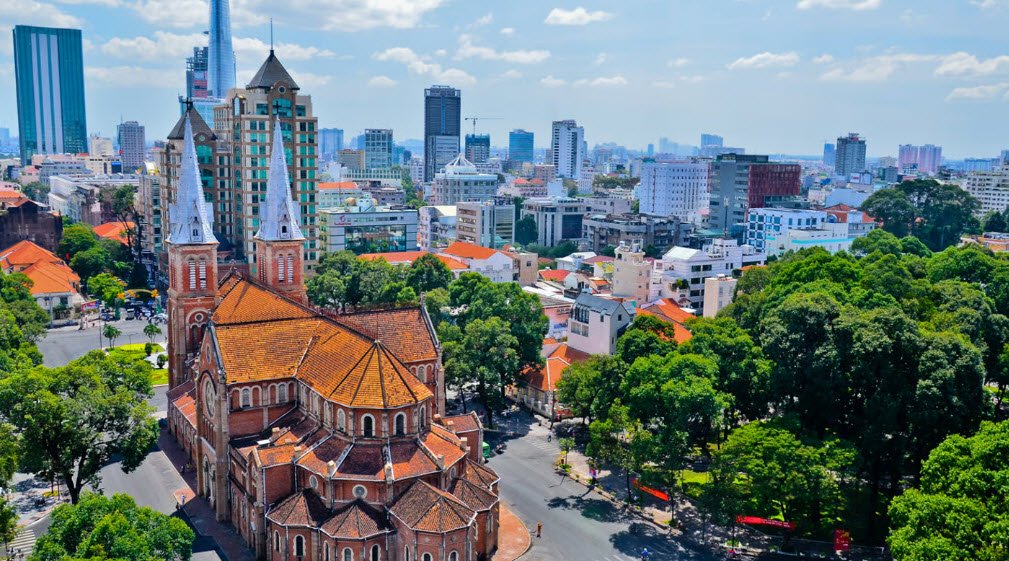
16. Hanoi or Ho Chi Minh City, Vietnam
Both Hanoi and Ho Chi Minh City remain very affordable despite their economic growth. Local food, street vendors, and motorbike‑based transport keep daily costs low. Rent varies by neighborhood, but many areas still offer cheap housing and reasonably priced groceries.
Public transport and utilities are modestly billed, making Vietnam’s big cities attractive to budget‑conscious residents.
17. Kigali, Rwanda
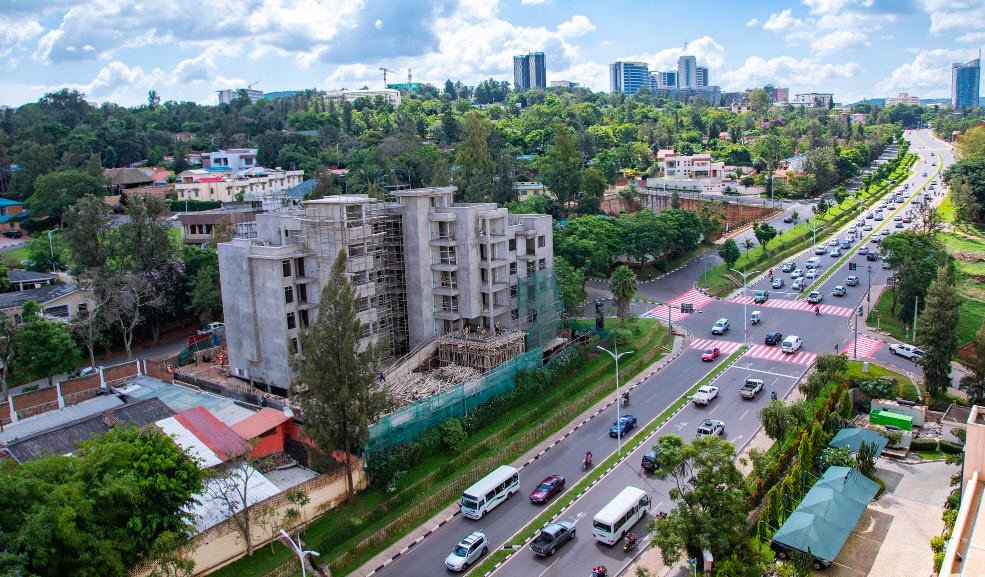
Kigali is one of East Africa’s more affordable capital cities, with relatively low rents and modest food prices. Local markets and small restaurants offer inexpensive groceries and meals, and public transport is cheap.
Utilities are generally low‑cost, and the city’s cleanliness and safety enhance quality‑of‑life perceptions despite the modest budget.
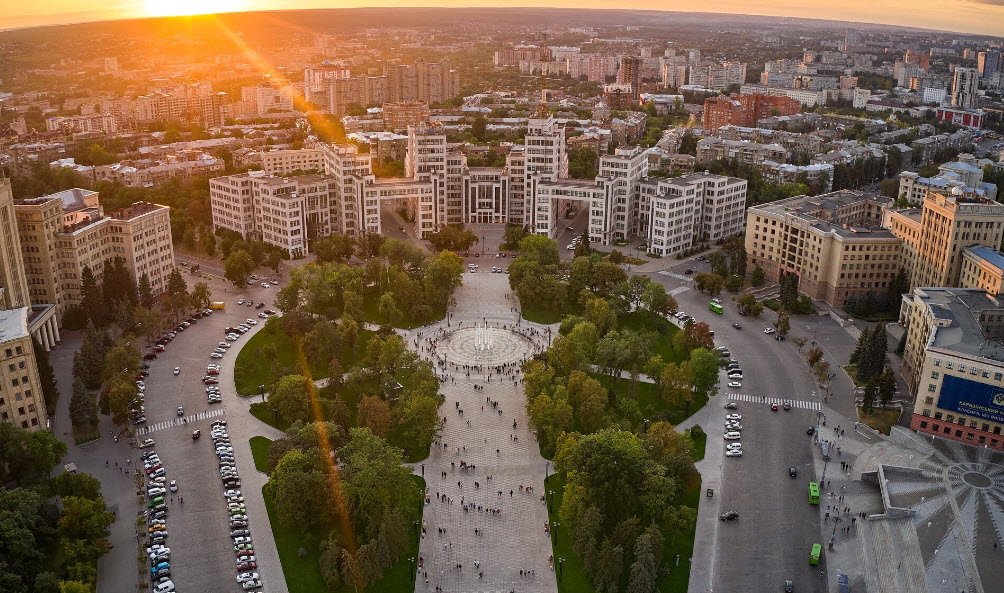
18. Kharkiv, Ukraine
Kharkiv offers low‑cost housing and relatively inexpensive food and services compared with many European capitals. Local markets and small shops keep grocery prices low, and public transport is cheap.
Utilities are also modestly priced, though the city’s security situation and ongoing conflict add complex non‑financial considerations to daily life.
19. Tehran, Iran
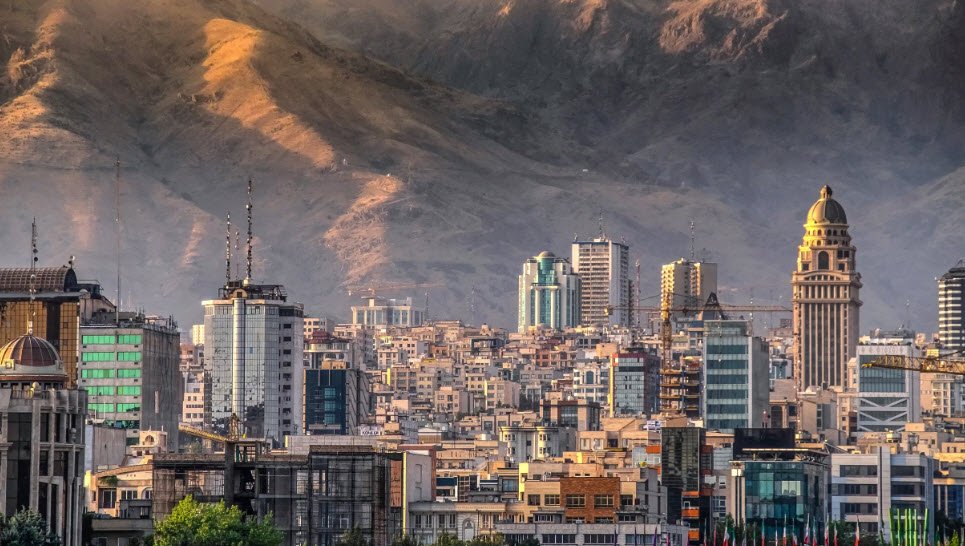
Tehran frequently appears in “cheapest‑city” lists due to heavily devalued currency and low‑cost local services. Housing, local food, and public transport are inexpensive, and groceries from local markets are very cheap.
Utilities are low‑cost, but international sanctions and banking restrictions complicate logistics for foreign residents despite the low‑cost living.
20. La Paz or similar Bolivian cities
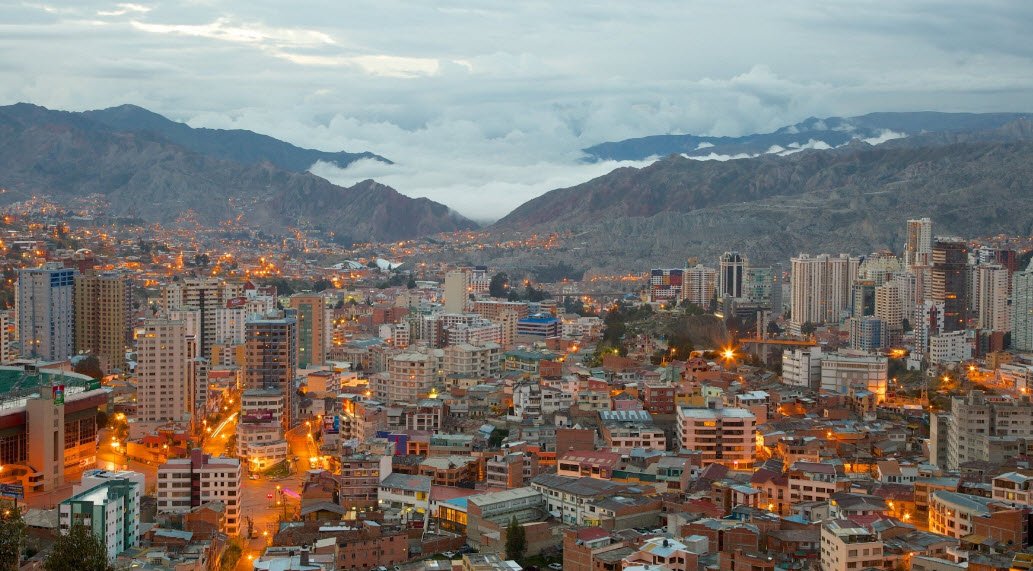
La Paz and other Bolivian cities such as Cochabamba or Santa Cruz are extremely affordable for local‑currency earners. Housing and local food are very cheap, with inexpensive street meals and market groceries.
Public transport is among the cheapest in South America, and utilities are generally low‑cost, though imported goods and higher‑end services can be more expensive.
The above list reflects cities where the basic “shopping basket” of groceries, rent, transport, and utilities is low relative to global averages, drawing on Numbeo‑style indices and other 2025 - 2026 cost‑of‑living surveys.
For someone prioritizing simple monthly expenses, places like Karachi, Dhaka, Da Nang, Cairo, Tunis, and many Indian, Indonesian, and Latin American cities still offer some of the most affordable major‑city lifestyles in the world.
Comments
Comments are closed.