ENG
ENG

 Sophie
 Top 15 Brazil's Most Unsafe Cities in 2026
Brazil, officially known as Brazil, remains one of the most culturally vibrant and geographically diverse nations in the world. However, alongside its beauty lies a persistent challenge - urban crime. While overall homicide rates have declined nationally in recent years, certain cities continue to struggle with high levels of violence, theft, and organized crime.
According to Numbeo’s 2025–2026 Crime Index and global homicide data, several Brazilian cities consistently rank among the most unsafe due to elevated crime rates, gang activity, and socio-economic disparities.
Below is a detailed breakdown of Brazil’s most unsafe cities in 2026 and the factors contributing to their rankings.
- Feira de Santana, Bahia
- Fortaleza, Ceará
- Salvador, Bahia
- Rio de Janeiro, Rio de Janeiro
- Recife, Pernambuco
- Mossoró, Rio Grande do Norte
- Maceió, Alagoas
- Manaus, Amazonas
- Vitória da Conquista, Bahia
- Macapá, Amapá
- Jequié, Bahia
- Caucaia, Ceará
- Porto Alegre, Rio Grande do Sul
- São Paulo (Certain Areas), São Paulo
- Camaçari, Bahia
1. Feira de Santana, Bahia
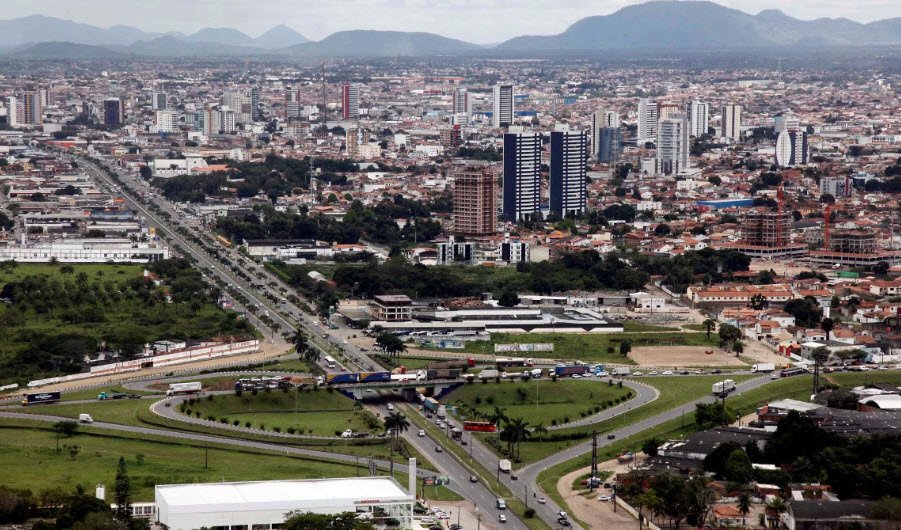
Located in the state of Bahia, Feira de Santana has one of the highest homicide rates in Brazil. The city serves as a major transportation hub, which unfortunately makes it a hotspot for drug trafficking and organized crime. Reports indicate homicide rates exceeding 60 per 100,000 residents, placing it among the most dangerous urban areas in the country.
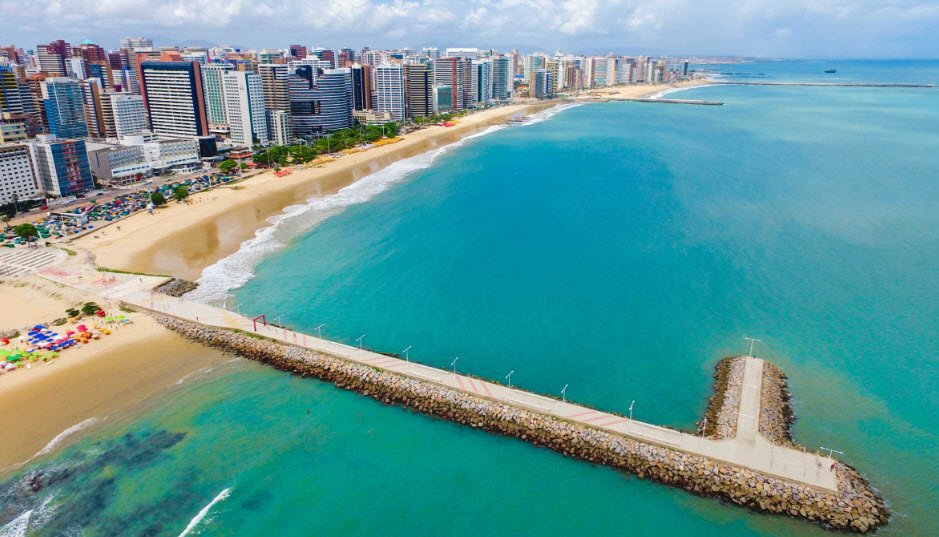
2. Fortaleza, Ceará
Fortaleza, in Ceará, ranks among the top cities globally for crime index, with scores above 75. Despite being a popular tourist destination, the city faces serious issues with gang violence and drug trafficking. Some reports estimate homicide rates near 69 per 100,000 residents, reflecting the severity of violent crime.
3. Salvador, Bahia
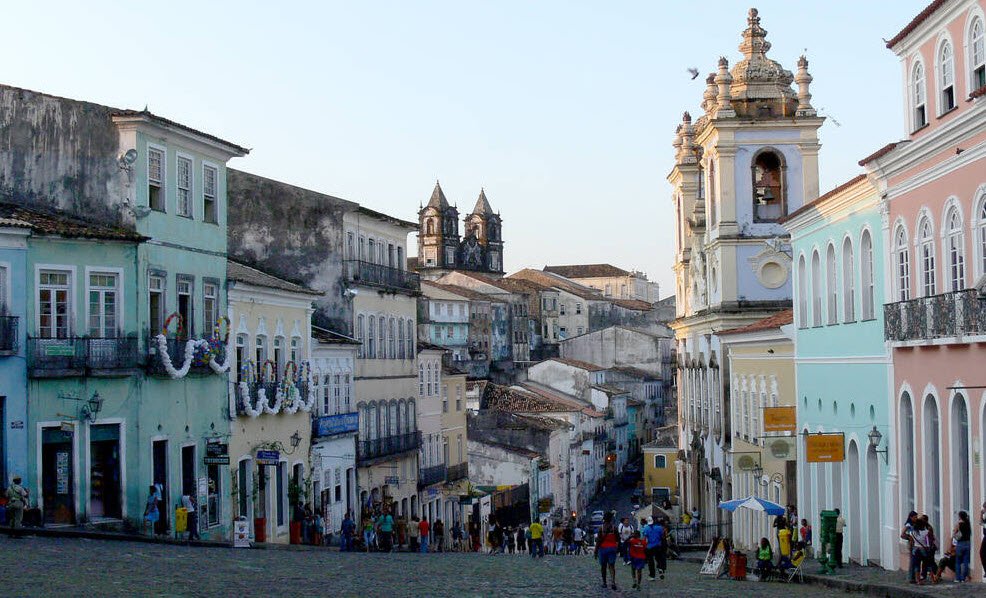
Salvador consistently ranks as one of Brazil’s most dangerous cities, with a crime index above 76. Known for its historic charm, the city also struggles with armed robbery, drug-related violence, and gang conflicts. Tourists are often advised to stay within safer neighborhoods due to targeted crime risks.
4. Rio de Janeiro, Rio de Janeiro
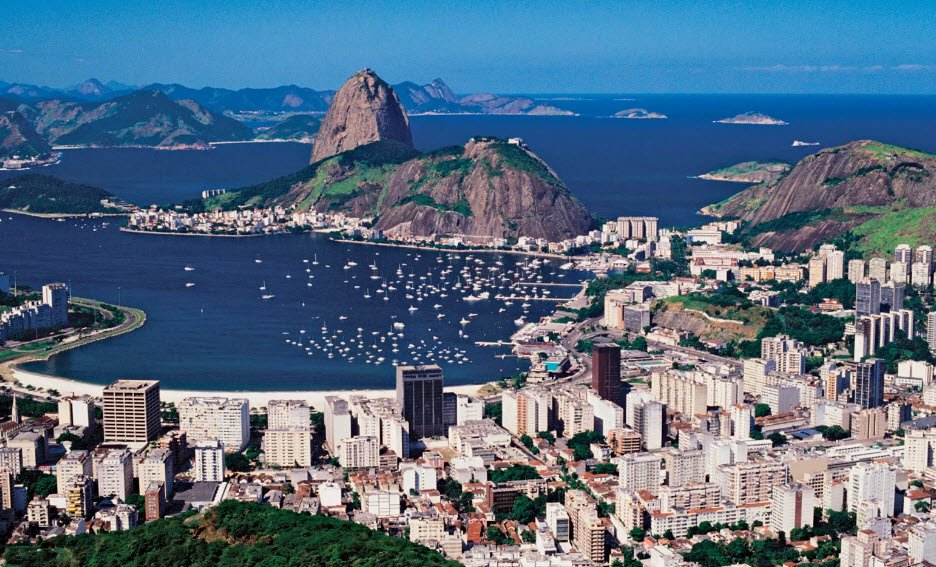
Rio de Janeiro is globally famous, but also notorious for crime in certain areas. With a crime index exceeding 75, it remains one of the most unsafe major cities in the Americas. Violence is often concentrated in favelas, where drug gangs and militia groups exert control.
5. Recife, Pernambuco
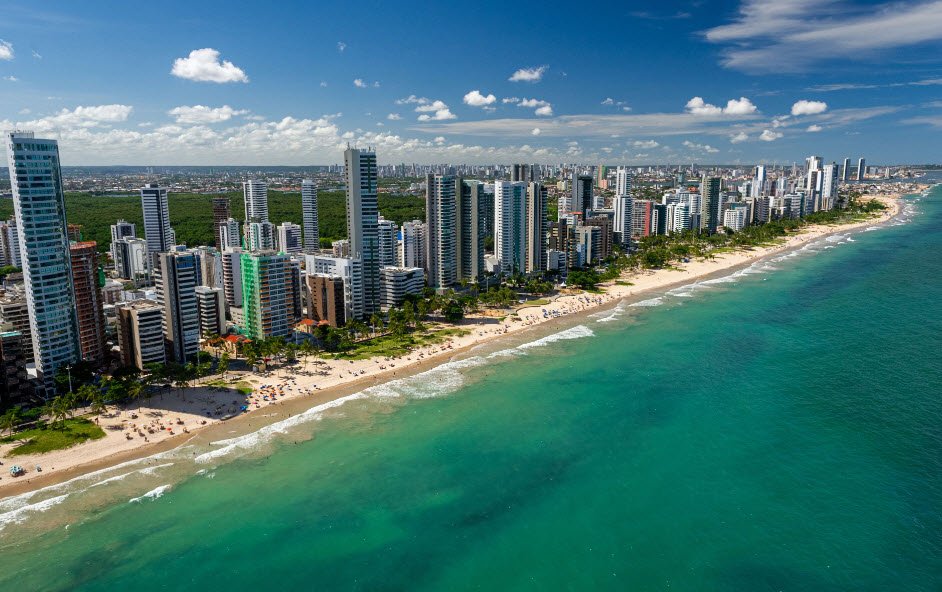
Recife, the capital of Pernambuco, faces widespread criminal activity across many neighborhoods. Its crime index hovers near 75, placing it among the region’s most unsafe cities. Authorities report high homicide rates and frequent targeting of tourists in historic districts.
6. Mossoró, Rio Grande do Norte
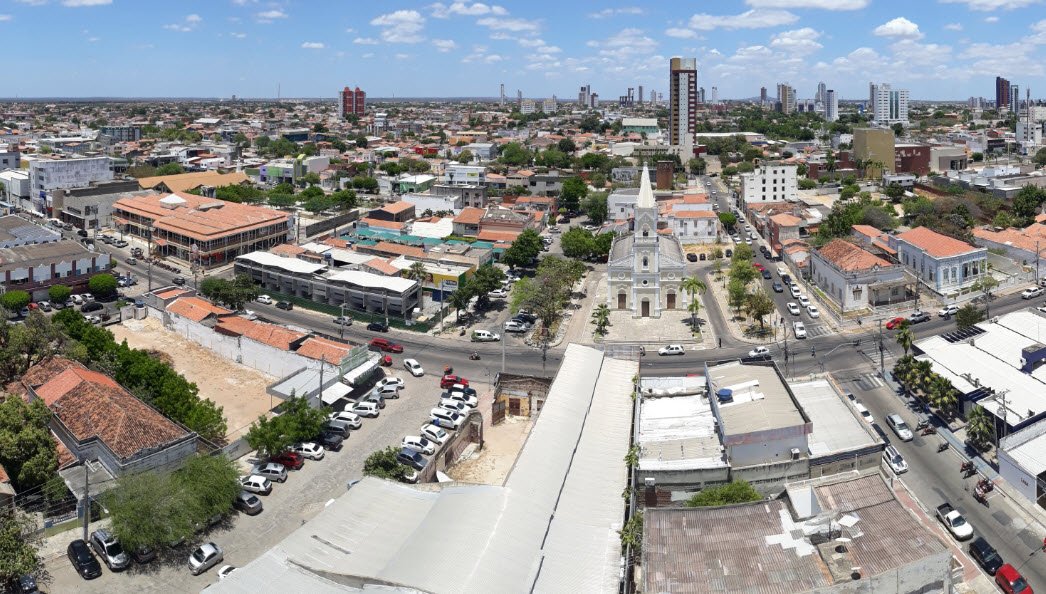
Mossoró has recorded homicide rates above 60 per 100,000 residents, making it one of Brazil’s most violent mid-sized cities. Gang disputes and organized crime play a significant role in its crime levels.
7. Maceió, Alagoas
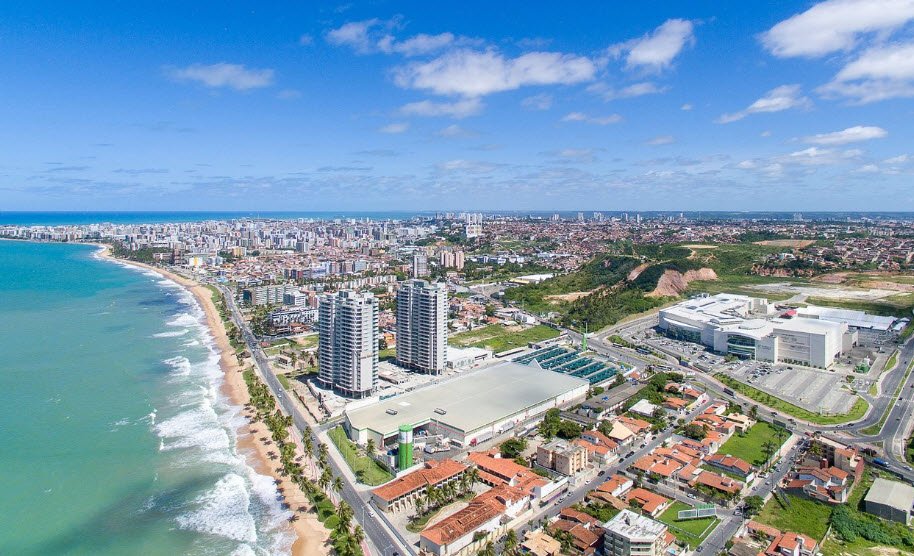
Maceió, located in Alagoas, has long struggled with high homicide rates. While improvements have been noted in recent years, certain districts still face elevated crime levels tied to poverty and drug trafficking.
8. Manaus, Amazonas
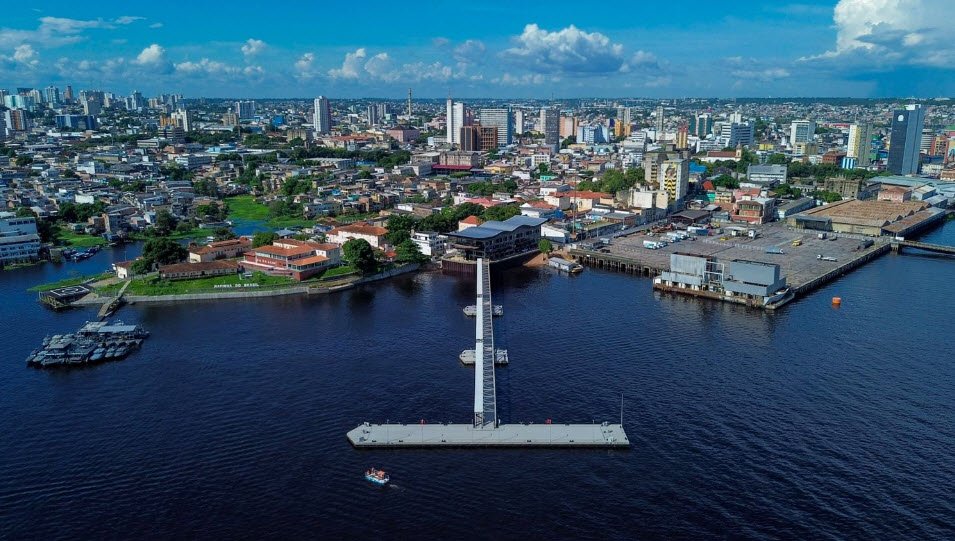
Manaus, the largest city in the Amazon region, faces unique challenges due to its remote location and role in international drug routes. Organized crime and prison gang networks contribute significantly to violence.
9. Vitória da Conquista, Bahia
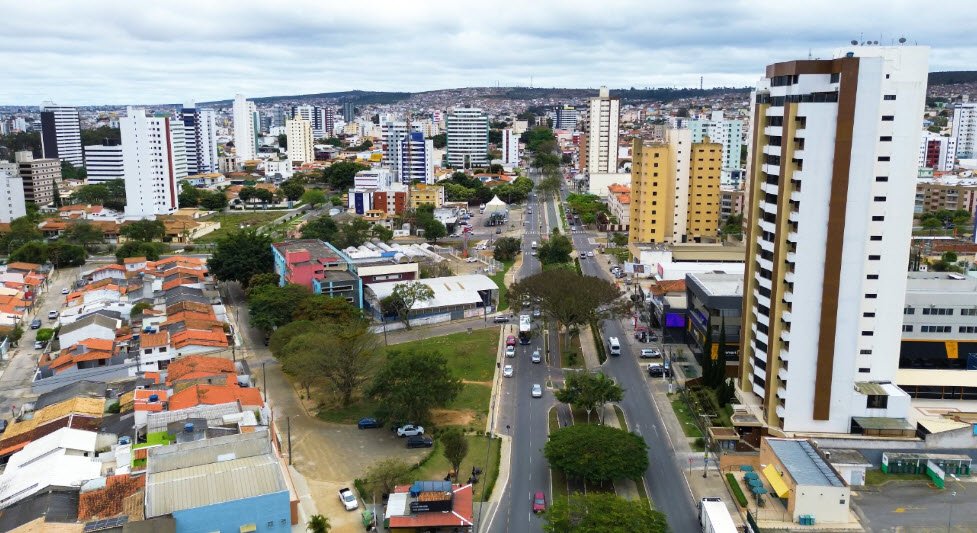
Vitória da Conquista has seen a rise in violent crime in recent years, particularly related to drug trafficking and urban expansion. It reflects broader crime trends across the state of Bahia.
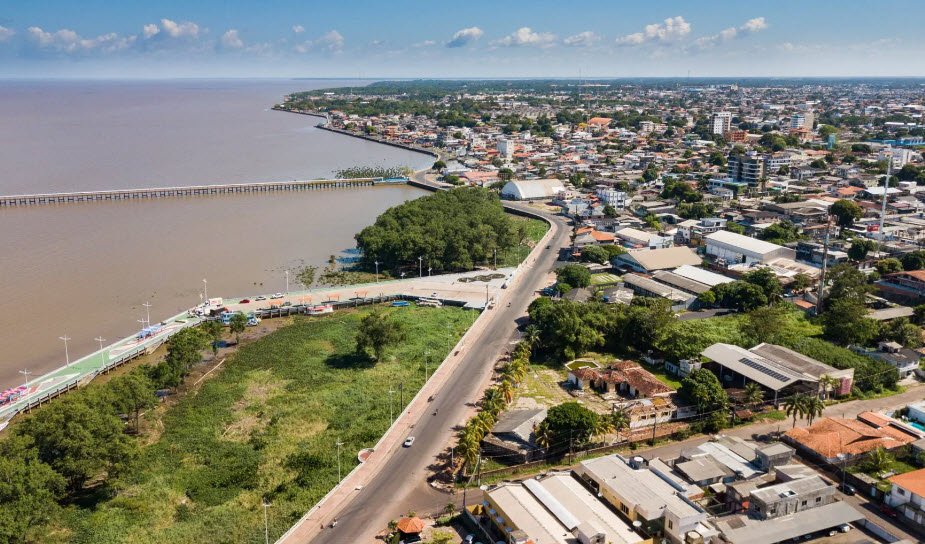
10. Macapá, Amapá
Macapá experiences high crime rates partly due to economic challenges and limited infrastructure, which contribute to social inequality and law enforcement difficulties.
11. Jequié, Bahia
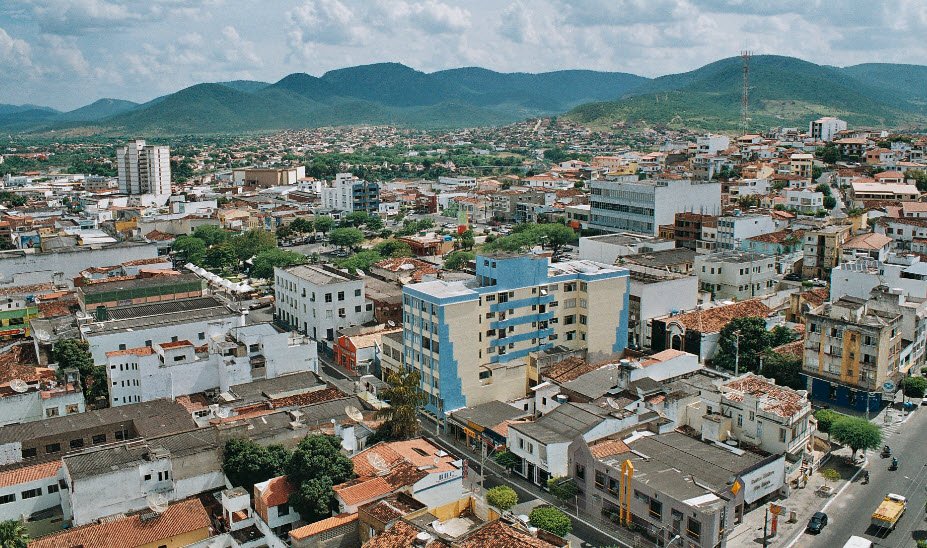
Jequié is another city in Bahia facing significant violence, with rising homicide rates linked to gang activity and territorial disputes.
12. Caucaia, Ceará
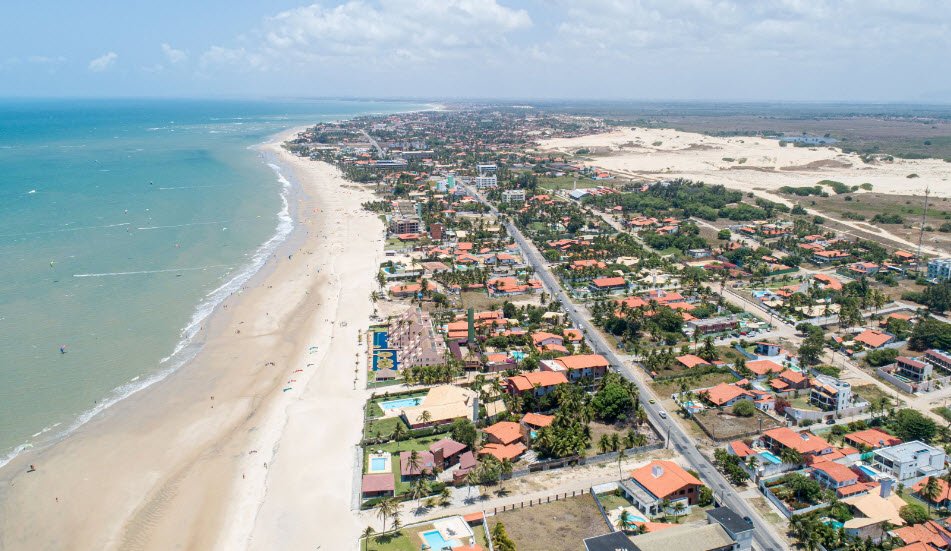
Caucaia, part of the Fortaleza metropolitan area, has been heavily affected by spillover violence from organized crime groups operating in the region.
13. Porto Alegre, Rio Grande do Sul
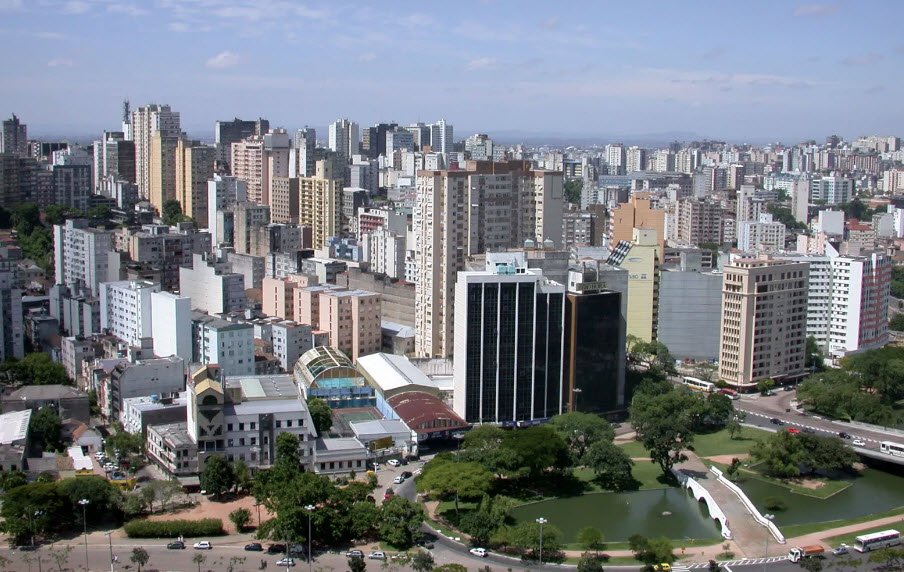
Porto Alegre, once considered relatively safe, now ranks among Brazil’s higher crime cities with a crime index above 70. Urban crime, including theft and robbery, has increased significantly.
14. São Paulo (Certain Areas), São Paulo
São Paulo, Brazil’s largest city, is not uniformly unsafe but has pockets of high crime. While overall safety has improved over the years, certain neighborhoods still report high theft and robbery rates.
.jpg)
15. Camaçari, Bahia
Camaçari, an industrial hub in Bahia, faces crime challenges related to rapid urbanization and economic disparity.
Final Thoughts
While Brazil has made progress in reducing overall homicide rates, crime remains unevenly distributed across cities. Urban centers like Fortaleza, Salvador, and Recife continue to appear in global crime rankings due to persistent violence and organized crime networks.
For travelers and residents alike, awareness, caution, and local guidance remain essential when navigating these areas.
Comments
Comments are closed.


.jpg)