 ENG
ENG

 Mohenjo-daro
Sindh, Pakistan
Mohenjo-daro, meaning “Mound of the Dead” in Sindhi, is one of the most extraordinary archaeological sites in the world and a crown jewel of the ancient Indus Valley Civilization.
Located in Larkana District, Sindh, Pakistan, this city was built around 2500 BCE and flourished for centuries as one of the earliest and most advanced urban centers of its time. Its layout was astonishingly modern: a grid-patterned city with wide streets, standardized fired-brick buildings, an advanced drainage system, and over 700 wells—more than any other ancient civilization of the era.
The city was divided into two main sections: the Citadel, which housed public buildings like the iconic Great Bath, and the Lower City, where residential and commercial life thrived. Among its most famous artifacts are the bronze “Dancing Girl” and the bearded “Priest-King” sculpture, both showcasing the artistic sophistication of the Harappan people. Mohenjo-daro was mysteriously abandoned around 1900 BCE, possibly due to climate change, shifting river patterns, or socio-political upheaval.


Location
Mohenjo-daro, Pakistan
Detecting your current location...
Frequently Asked Questions
Mohenjo-daro is located in Sindh, Pakistan.
We list a wide range of destinations, including but not limited to: Beaches, Lakes, Temples, Museums, National Parks, Historical Landmarks, Mountains, Zoos, World Heritage Sites.
Yes, we strive to provide accurate and regularly updated information by researching verified sources, official tourism websites, and local insights.
Absolutely! You can browse places by: Country, Location, Category (e.g., waterfalls, temples, etc.), Popular attractions.
Yes, for many popular destinations, we include travel tips such as: Best time to visit, Entry fees (if any), Nearby attractions, Accessibility and safety information.
Yes, Fabplaces.com is completely free for all users to explore and discover amazing destinations across the globe.
Yes! We welcome suggestions. You can use our Contact Us page to recommend a place we might have missed, and our team will review and add it if appropriate.
 Pakistan
Want To Advertise?

You might also like

Loano
Italy

Taylor Memorial Arboretum
United States
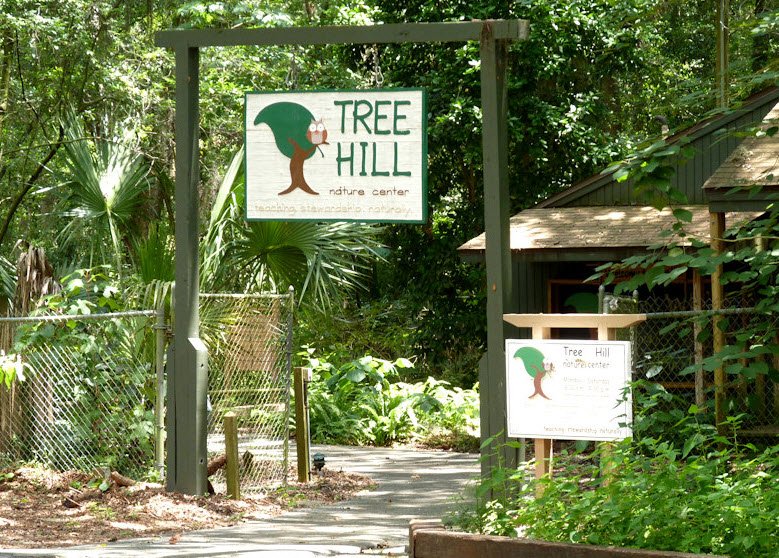
Tree Hill Nature Center
United States

Como Park Zoo and Conservatory
United States


Leave a comment